
Soap cleans by using molecules with both hydrophobic and hydrophilic parts to break the bond between dirt or oil and your skin or fabric. The hydrophobic tails latch onto grease and grime, while the hydrophilic heads stay in water. This creates tiny clusters called micelles that trap the dirt, making it easy to rinse away. Want to understand exactly how this molecular dance happens and improves cleaning power? Keep exploring to learn more.

Prime made for students and young adults
- Fast, free delivery for dorm and study essentials
- Prime Video and Amazon Music included
- Member-only deals
Key Takeaways
- Soap molecules have hydrophobic tails that attach to grease and dirt, lifting them from surfaces.
- The hydrophilic heads of soap molecules remain attracted to water, aiding in rinsing away dirt.
- Soap reduces water’s surface tension, allowing it to spread and penetrate dirt more effectively.
- Surfactants form micelles around dirt particles, trapping grease inside for easy removal.
- Rinsing washes away micelles containing dirt, leaving surfaces clean.
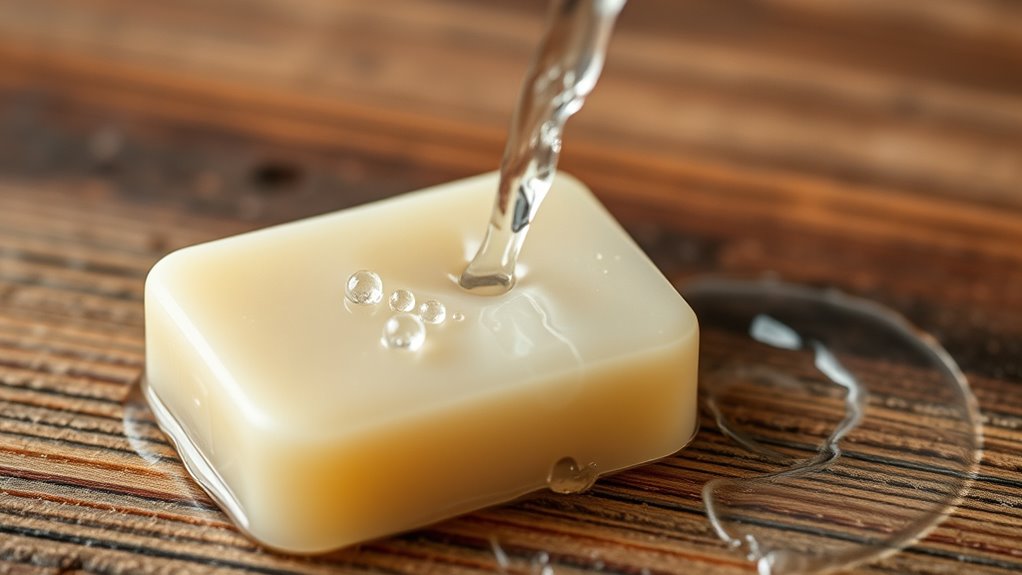
Have you ever wondered how soap actually cleans your hands or clothes? It all comes down to molecular interaction, a fascinating process that makes dirt removal possible. When you lather soap onto your skin or fabric, tiny molecules within the soap, called surfactants, become active. These surfactants are specially designed to have both hydrophobic (water-repelling) and hydrophilic (water-attracting) parts. This dual nature allows them to interact with both water and oils or dirt, enabling a powerful cleaning mechanism.
As you rub soap onto your skin or fabric, the surfactants embed themselves into oily stains or dirt particles. The hydrophobic tails of these molecules latch onto the grease and grime, which are typically insoluble in water. Meanwhile, the hydrophilic heads remain exposed to the surrounding water. This molecular interaction causes the dirt particles to become surrounded by soap molecules, forming tiny clusters known as micelles. These micelles effectively trap the dirt in their core, preventing it from reattaching to your skin or clothing.
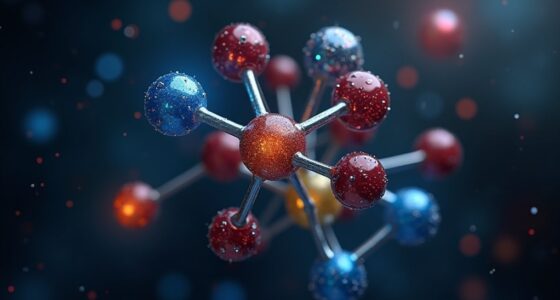
Soap molecules surround dirt with their hydrophobic tails and hydrophilic heads.
Once the dirt is encapsulated within these micelles, you can rinse it away with water. The water’s molecules are attracted to the hydrophilic heads of the soap surfactants, pulling the micelles—and the dirt—away from your skin or fabric. This process makes dirt removal efficient because you’re not just rubbing dirt off; you’re actively breaking its bond with your skin or fabric and suspending it in water for easy rinsing.
This entire process hinges on the molecular interaction between soap molecules, water, and dirt. Without surfactants, water alone struggles to remove oil-based stains because of the difference in polarity—water is polar, and oils are non-polar. Soap acts as a bridge, reducing the surface tension between water and oils, allowing them to mix more readily. That’s why washing with plain water often isn’t enough to remove greasy stains, but adding soap makes all the difference. It’s this clever molecular design that turns simple water into a powerful cleaning agent.
Additionally, understanding surface tension helps explain how soap reduces the resistance of water to spreading and mixing with oils, making cleaning even more effective. In essence, soap works by disrupting the bond between dirt and your skin or fabric through molecular interaction, forming micelles that trap dirt. When you rinse, these micelles are carried away, leaving your hands or clothes clean. So, next time you wash your hands or laundry, think about how these tiny molecules are working behind the scenes to make dirt removal possible.
liquid dish soap for grease removal
As an affiliate, we earn on qualifying purchases.
As an affiliate, we earn on qualifying purchases.
Frequently Asked Questions
Can Soap Kill All Types of Bacteria and Viruses?
Soap can’t kill all types of bacteria and viruses, but it’s effective at reducing many. Its antibacterial properties help eliminate common bacteria, while the surfactants break down viruses’ lipid membranes, aiding in virus elimination. Regular handwashing with soap and water is your best defense. However, certain germs like some spores or hardy viruses may require stronger disinfectants. Still, soap markedly lowers your risk of illness.
Does the Temperature of Water Affect Soap’s Cleaning Ability?
Yes, water temperature affects soap effectiveness. Warm water helps soap dissolve better and creates a richer lather, which improves cleaning. Hot water can boost soap’s ability to break down oils and dirt more quickly, while cold water may reduce soap’s effectiveness slightly. However, for most everyday cleaning, using warm water strikes a good balance, ensuring you get the most out of your soap’s ability to clean your hands or surfaces efficiently.
Is Natural Soap as Effective as Commercial Soap?
Studies show that natural soaps are as effective as commercial ones in removing dirt and bacteria. You might prefer natural ingredients because they often contain fewer chemicals, making them gentler on your skin. Plus, natural soap generally has a lower environmental impact due to biodegradable ingredients and sustainable sourcing. So, whether for health or ecological reasons, natural soap can be a smart, effective choice for your cleaning routine.
How Long Does Soap Residue Stay on Skin or Surfaces?
Soap residue typically stays on your skin or surfaces for a few minutes to a few hours unless you rinse thoroughly. If you don’t rinse well, it can cause skin dryness and irritation. On surfaces, residue can linger longer if not wiped away properly. To guarantee proper residue removal, wash or wipe the area well with water, especially if you’re sensitive to dryness or want a clean, fresh feel.
Can Soap Damage Delicate Fabrics or Materials?
You might be playing with fire if you use harsh soap on delicate fabrics, as it can cause fabric damage and material deterioration. Always check the label first and opt for gentle, fabric-specific cleansers. Using the wrong soap can turn a simple wash into a costly mistake, so don’t bite off more than you can chew. When in doubt, test a small area first to prevent unintended damage.
laundry detergent for oil stains
As an affiliate, we earn on qualifying purchases.
As an affiliate, we earn on qualifying purchases.
Conclusion
Now that you know how soap works, you see it’s more than just a pretty bar. It’s your trusty sidekick that fights off germs and dirt with a simple dance of molecules. When you wash your hands, you’re giving dirt and bacteria the slip, like a fish slipping through your fingers. So, next time you soap up, remember you’re wielding a powerful tool — because clean hands are the best defense, and it’s always better to be safe than sorry.
As an affiliate, we earn on qualifying purchases.
micellar water for makeup removal
As an affiliate, we earn on qualifying purchases.
As an affiliate, we earn on qualifying purchases.
Fall Picks
fall essentials
As an affiliate, we earn on qualifying purchases.