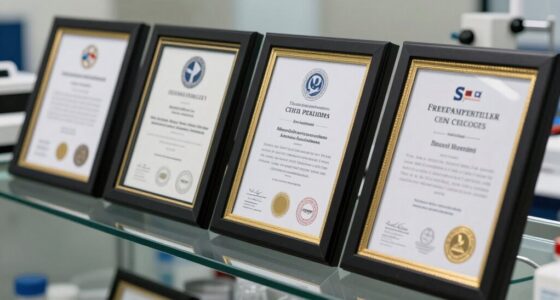
When choosing a chemistry degree program, prioritize strong laboratory facilities with up-to-date equipment and safety measures, as these are essential for hands-on learning. Look for programs offering internships or industry connections to gain real-world experience and boost your employability. Consider the curriculum’s diversity and specialization options to match your career goals, and confirm the faculty are experienced and actively involved in research. finally, verify the program’s accreditation to ensure quality education—exploring these factors can help you make an informed decision.
Key Takeaways
- Evaluate the program’s laboratory facilities to ensure access to modern equipment and safety protocols.
- Consider internship opportunities through industry partnerships for practical experience and career networking.
- Review curriculum diversity and specializations to align with your research interests and career goals.
- Assess faculty expertise and mentorship to support academic growth and research involvement.
- Verify program accreditation to ensure quality education and better professional prospects.

Selecting the right chemistry degree program is a crucial step toward building a successful career in science. Your choice can influence not only your education but also your future opportunities, so it’s essential to evaluate each program carefully. One of the most critical factors to consider is the quality of laboratory facilities. Modern, well-equipped labs provide you with hands-on experience and the chance to develop practical skills that are essential in the field. When exploring programs, ask about their lab equipment, safety protocols, and the types of experiments students get to perform. A program with state-of-the-art facilities indicates a commitment to providing a thorough learning environment, allowing you to experiment confidently and learn effectively.
Choosing a chemistry program with modern labs ensures hands-on learning and practical skill development.
Equally important are the internship opportunities available through each program. Internships provide real-world experience, helping you connect classroom knowledge with industry practices. Look into whether the program has established partnerships with local laboratories, research institutes, or industry companies. These collaborations often lead to internships that can give you a foot in the door for future employment. Securing an internship during your studies not only enhances your resume but also helps you build professional relationships and gain insights into potential career paths. Programs that actively promote internship placements show a dedication to your practical development and career readiness.
Beyond facilities and internships, you should also consider the curriculum’s breadth and specialization options. Does the program offer courses aligned with your interests, whether that’s organic chemistry, biochemistry, environmental chemistry, or materials science? A diverse curriculum allows you to explore different fields within chemistry, helping you identify your passion. Also, check if the program offers research opportunities, as participating in research projects can deepen your understanding and improve your chances of graduate or professional school admission.
Faculty expertise is another essential aspect. Experienced professors who are active researchers can provide mentorship, guidance, and even involve you in their projects. Their connections and reputation in the scientific community can open doors for you later on. Additionally, consider the program’s accreditation status, ensuring it meets educational standards and prepares you adequately for industry or academia.

Biology: a QuickStudy Laminated Reference Guide (Quick Study Academic)
As an affiliate, we earn on qualifying purchases.
Frequently Asked Questions
How Do Internship Opportunities Vary Between Programs?
Internship availability varies between programs, often influenced by industry partnerships. Some schools have strong ties with local companies, offering you more hands-on experience and networking opportunities. Others may have limited options or rely on national programs. You should look into each program’s industry partnerships and internship support to find the best fit for your career goals, ensuring you gain practical experience that aligns with your interests in chemistry.
What Are the Employment Rates After Graduation?
Think of your career path as a garden waiting to bloom. After graduation, your employment rate often depends on industry connections and alumni success. Programs with strong ties to industry tend to have higher employment rates, acting like a fertile ground for job opportunities. Alumni success stories serve as guiding stars, showing you the potential pathways. Choose a program that fosters these connections, and you’ll find your career blossoming faster.
How Flexible Are the Course Schedules?
Course flexibility varies depending on the program, but many offer diverse scheduling options to fit your needs. You might find evening classes, part-time options, or online courses that let you balance studies with work or personal commitments. Check each program’s scheduling options carefully to guarantee they align with your lifestyle. This flexibility helps you stay on track while managing other responsibilities, making it easier to pursue your chemistry degree successfully.
Do Programs Offer Specializations or Minors?
Specializations and minors spice up your studies, providing personalized paths and professional prospects. You’ll find programs that favor flexible program structures, supporting your academic ambitions, alongside extracurricular activities that enhance expertise. By exploring options, you can specialize in areas like organic or analytical chemistry, or minor in environmental science. This tailored training transforms your talent into a targeted, triumphant trajectory, turning your passion into a powerful, professional pursuit.
What Research Opportunities Are Available to Undergraduates?
You can find numerous research opportunities as an undergraduate, especially if the program offers state-of-the-art lab facilities and access to faculty expertise. Look for programs that encourage student-led projects or internships, as these give hands-on experience. Engage with professors on research teams, attend seminars, and participate in summer research programs. These experiences deepen your understanding of chemistry and boost your resume for future careers or graduate studies.

Everything You Need to Ace Science in One Big Fat Notebook: The Complete Middle School Study Guide
As an affiliate, we earn on qualifying purchases.
Conclusion
Choosing the right chemistry program is like crafting a perfect recipe—you need the right ingredients, guidance, and environment to succeed. I once met a student who switched programs and found her passion ignited, much like discovering the missing spice that transforms a dish. Remember, your choice shapes your future just as each ingredient shapes a dish. Trust your instincts, weigh your options, and you’ll find the program that helps you flourish and turn your dreams into reality.

The Usborne Science Encyclopedia: An In-depth Guide for Young Scientists Exploring Gravity, Flight, Genes, DNA and More, with Over 180 Video Clips and 1000 Recommended Websites for Further Learning
As an affiliate, we earn on qualifying purchases.
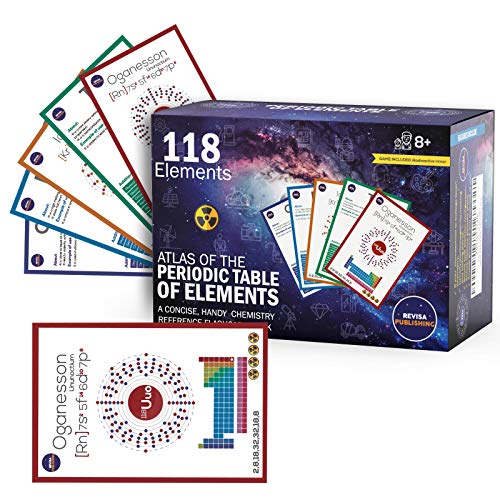
Periodic Table of Elements Laminated Flashcard Science kit| Quick Element Study Aid|Chemistry Flash Card Game for Teachers, Students, Homeschool Kids, Classroom| Educational Chart Reference Guide
Complete Colorful Organized Flashcard Deck- Brilliant card models make science education come to life! Use cards to practice...
As an affiliate, we earn on qualifying purchases.