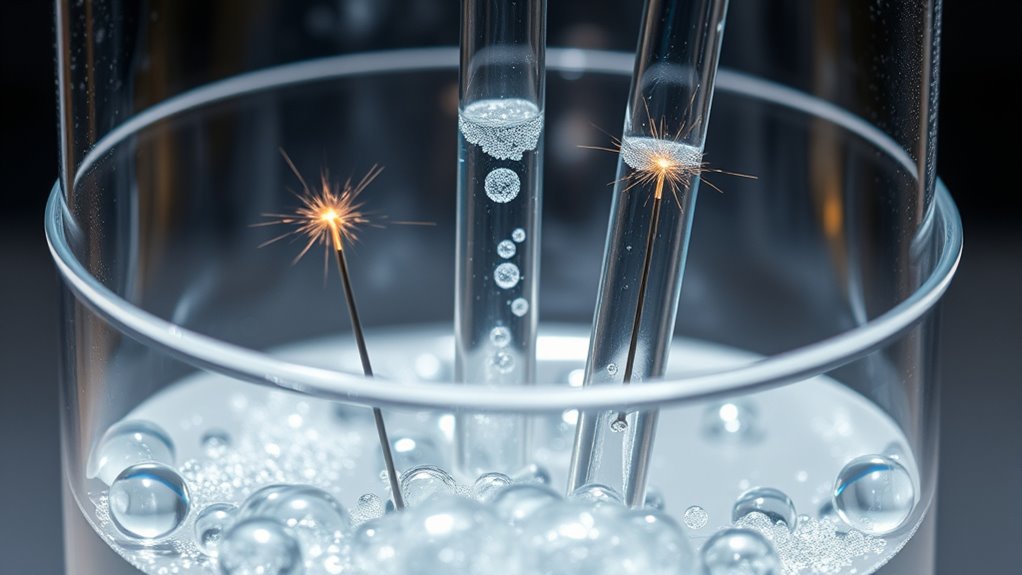

To split water into hydrogen and oxygen through electrolysis, you need an electrolyte solution, such as sulfuric acid or potassium hydroxide, to improve conductivity. Applying electricity causes water molecules to undergo oxidation at the anode, releasing oxygen, and reduction at the cathode, forming hydrogen. Using suitable inert electrodes like platinum or graphite enhances safety and efficiency. Understanding these components helps optimize the process, and if you explore further, you’ll discover more about how each factor influences gas production.

Prime made for students and young adults
- Fast, free delivery for dorm and study essentials
- Prime Video and Amazon Music included
- Member-only deals
Key Takeaways
- Electrolysis uses an electrolyte solution to conduct electricity and split water into hydrogen and oxygen gases.
- Inert electrodes like platinum or graphite facilitate oxidation and reduction reactions without degrading.
- At the anode, water loses electrons to produce oxygen gas; at the cathode, water gains electrons to form hydrogen gas.
- Proper electrolyte choice (e.g., sulfuric acid) increases conductivity and efficiency of gas production.
- Ensuring electrode stability and optimal electrolyte concentration enhances safety, efficiency, and gas purity during water electrolysis.

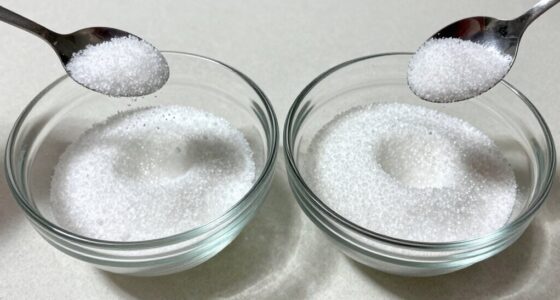
Electrolysis of water is a process that uses electricity to split water molecules into hydrogen and oxygen gases. When you set up electrolysis, you typically immerse two electrodes into an electrolyte solution, which helps conduct electricity. Choosing the right electrolyte solutions is essential because they increase the solution’s conductivity, allowing current to flow efficiently between the electrodes. Common electrolytes include acids like sulfuric acid, bases such as potassium hydroxide, or salts like sodium chloride. These solutions help facilitate ion movement, making the electrolysis process smoother and more effective. Without a proper electrolyte, the resistance in the water would be high, and you’d struggle to generate the gases you’re aiming for. Using the appropriate electrolyte also helps maintain safety by reducing the risk of unwanted side reactions or overheating during the process.
Your choice of electrode materials also plays a critical role. Typically, inert materials like platinum or graphite are used because they don’t react with water or the gases produced during electrolysis. Platinum is especially effective, but it can be costly, so graphite often serves as a practical alternative. When current flows, the electrodes act as sites for oxidation and reduction reactions. At the anode, oxygen gas forms when water loses electrons, while at the cathode, hydrogen gas is produced when water gains electrons. The materials you select for your electrodes should withstand corrosion and high voltages to guarantee consistent and safe operation.
During electrolysis, the electrolyte solution’s composition and electrode materials directly influence efficiency. For instance, if you use a solution with a high concentration of sulfuric acid, you’ll notice increased conductivity, leading to faster gas production. Similarly, choosing durable electrode materials minimizes degradation over time, which is especially important if you’re planning long-term or repeated experiments. The interface between the electrodes and the electrolyte determines how well electrons transfer, affecting the rate of hydrogen and oxygen evolution. Properly selecting electrolyte solutions and electrode materials means you’ll get a cleaner separation of gases and a more efficient process overall. Additionally, understanding the role of electrolyte solutions can help optimize the electrolysis process for different applications.
As an affiliate, we earn on qualifying purchases.
Frequently Asked Questions
Can Electrolysis Produce Pure Hydrogen Without Contamination?
Yes, electrolysis can produce pure hydrogen without contamination, but purity concerns depend on the process. You need to guarantee high-quality electrodes and pure water to minimize contamination risks. Impurities in the water or electrode materials can lead to contamination of the hydrogen. Using proper filtration and conducting regular maintenance helps keep the hydrogen pure, reducing contamination risks and ensuring it remains suitable for sensitive applications like fuel cells.
How Does Temperature Affect Electrolysis Efficiency?
You might think temperature is just a number, but it’s the secret weapon in electrolysis efficiency. When electrode temperature rises, reaction kinetics speed up, making the process faster and more efficient. Higher temperatures reduce resistance and boost hydrogen production. However, too much heat can damage electrodes. So, controlling electrode temperature optimizes electrolysis, turning a simple process into a powerhouse for clean energy.
What Safety Precautions Are Needed During Water Electrolysis?
You should wear safety goggles and gloves to protect yourself from possible splashes or sparks. Make sure proper ventilation to avoid hydrogen buildup. Use appropriate electrolyte solutions, like dilute sulfuric acid, to improve efficiency and prevent electrode corrosion. Always check electrodes for damage before use, and handle electrical connections carefully to avoid short circuits. Following these precautions keeps you safe and maintains the experiment’s integrity.
Is Electrolysis Feasible Using Seawater Directly?
You might think seawater can be directly electrolyzed, but beware—seawater impurities and electrode corrosion pose serious challenges. These impurities can interfere with the process, reducing efficiency and damaging your electrodes. While technically feasible, it’s not practical without pretreatment or specialized electrodes. To avoid costly damage and ensure safety, you’d need to address these issues first, making direct seawater electrolysis a complex, delicate operation.
How Scalable Is Electrolysis for Industrial Hydrogen Production?
You can scale electrolysis for industrial hydrogen production, but scalability challenges remain. As production increases, costs related to energy, equipment, and maintenance grow, impacting economic viability. Large-scale electrolysis requires efficient infrastructure and renewable energy sources to be truly sustainable. While technically feasible, overcoming these challenges is essential to make industrial hydrogen production via electrolysis cost-effective and widespread.
hydrogen and oxygen gas generator
As an affiliate, we earn on qualifying purchases.
As an affiliate, we earn on qualifying purchases.
Conclusion
Now that you understand how water splits into hydrogen and oxygen through electrolysis, you’ve revealed the secret to a cleaner energy future. This process isn’t just a science experiment; it’s a game-changer that could revolutionize how we power the world. Imagine harnessing the power of water to fuel entire cities—it’s almost magical! Keep exploring, and you’ll see how this incredible process can make a massive impact on our planet’s sustainability. The future of energy is in your hands!
electrolysis of water experiment kit
As an affiliate, we earn on qualifying purchases.
As an affiliate, we earn on qualifying purchases.
inert electrodes for electrolysis
As an affiliate, we earn on qualifying purchases.
As an affiliate, we earn on qualifying purchases.
Fall Picks
fall essentials
As an affiliate, we earn on qualifying purchases.