Catalysts are substances that speed up chemical reactions without being consumed, making processes more efficient. They can be classified into types like homogeneous and heterogeneous catalysts, each suited for different uses. You’ll find them in industries such as pharmaceuticals, energy, and environmental protection, where they help reduce costs and emissions. Understanding how catalysts work and their applications can reveal how they transform industries. Keep exploring to discover more about their essential roles and benefits.
Key Takeaways
- Catalysts speed up chemical reactions without being consumed, making processes more efficient and cost-effective.
- Types include homogeneous, heterogeneous, and biocatalysts, each with specific applications in industry.
- Catalysts are essential in manufacturing pharmaceuticals, fuels, and chemicals, reducing energy consumption and waste.
- They enable selective reactions, improving yields and minimizing by-products in industrial processes.
- Catalyst recovery and stability are crucial for sustainable operations and long-term industrial use.

Have you ever wondered how chemical reactions happen so quickly and efficiently? The answer often lies in the fascinating world of catalysts. These substances speed up reactions without being consumed in the process, making them indispensable in industries ranging from pharmaceuticals to energy production. Understanding how catalysts work involves delving into reaction mechanisms—detailed pathways that show how reactants transform into products. When a catalyst is involved, it often provides an alternative reaction pathway with a lower activation energy, allowing reactions to proceed faster. This process is essential because it not only enhances efficiency but also reduces energy consumption.
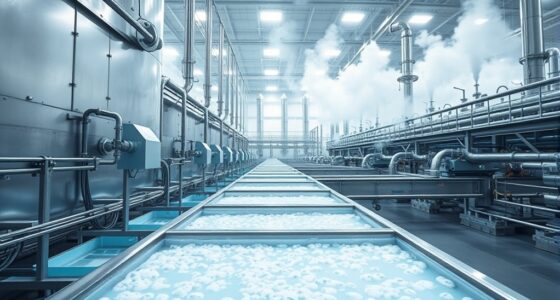
Catalysts accelerate reactions efficiently by lowering activation energy, enabling faster processes across various industries.
One key aspect of working with catalysts is catalyst recovery. After a reaction, catalysts are typically separated from the products to be reused in future processes. Efficient catalyst recovery is crucial because it directly impacts the economic viability of industrial operations. Techniques such as filtration, centrifugation, or chemical regeneration are used to recover catalysts from reaction mixtures. This recovery process ensures that the catalyst remains active over many cycles, reducing the need for continuous production of new catalyst materials and minimizing waste. Proper catalyst recovery also prevents contamination of the final products, maintaining high purity standards required in sectors like pharmaceuticals and food processing.
In addition to recovery, understanding reaction mechanisms helps in designing better catalysts. By studying how a catalyst interacts with reactants at the molecular level, scientists can tweak its structure to improve activity and selectivity. This knowledge enables the development of catalysts tailored for specific reactions, increasing yields and reducing unwanted by-products. For example, in catalytic converters for cars, precise reaction mechanisms help optimize the conversion of harmful gases into less harmful substances, making vehicles more environmentally friendly.
Moreover, the stability of a catalyst during the reaction process is critical. Catalysts must withstand harsh conditions without degrading, which is where advancements in catalyst design come into play. Researchers continuously seek ways to improve catalyst durability, making recovery easier and ensuring consistent performance over time. These innovations not only boost efficiency but also lower operational costs, making them indispensable for large-scale industrial processes. Additionally, the development of high-precision catalysts depends heavily on understanding the specific reaction mechanisms, which guide the customization of catalyst properties for optimal performance.

Catalytic Converter Cleaner | 120ML Carbon Remover, Emission, Exhaust Additive | Deposit Breakdown, Performance Recovery, Efficiency Support | Car SUV RV Truck Tractor High Mileage Exhaust
Molecular Impurity Capture: Engine cleaner eliminates carbon buildup and prevents future deposits, maintaining a clean system through molecular…
As an affiliate, we earn on qualifying purchases.
As an affiliate, we earn on qualifying purchases.
Frequently Asked Questions
How Are Catalysts Recovered and Recycled in Industrial Processes?
You recover and recycle catalysts through catalyst regeneration, which involves removing impurities and restoring activity. This process prolongs the catalyst’s lifespan, making it reusable for multiple cycles. You may use methods like thermal treatment or chemical cleaning, depending on the catalyst type. Efficient regeneration minimizes costs and waste, ensuring continuous industrial operations while maintaining high reaction efficiency. Proper recycling is essential for sustainable and economical catalyst management.
What Environmental Regulations Influence Catalyst Development and Usage?
Environmental policies and green regulations heavily influence catalyst development and usage. You need to design catalysts that minimize toxic emissions, reduce hazardous waste, and improve energy efficiency to comply with these rules. By adopting eco-friendly materials and processes, you can meet stricter standards, lower environmental impact, and promote sustainable industrial practices. Staying updated on evolving regulations guarantees your catalysts align with legal requirements and support greener, more responsible manufacturing.
How Do Catalysts Affect Reaction Selectivity and Yield?
You’ll find that catalysts critically boost reaction selectivity and yield, often increasing output by up to 80%. They work by altering reaction mechanisms, making desired pathways more favorable. However, catalyst poisoning can reduce efficiency by blocking active sites. This means careful control of reaction conditions is essential to maximize benefits, ensuring your process remains efficient and produces high-quality products with minimal waste.
What Are the Future Trends in Catalyst Technology?
You’ll see catalyst innovation focus on developing more sustainable catalysis methods, reducing environmental impact, and improving efficiency. Future trends include using nanotechnology to enhance catalyst performance, designing catalysts from renewable resources, and incorporating green chemistry principles. These advancements aim to create more eco-friendly processes, lower energy consumption, and enable cleaner industrial practices, making sustainable catalysis a central goal for the next generation of catalytic technologies.
How Do Catalysts Impact Overall Manufacturing Costs?
You should know that catalysts can reduce manufacturing costs by up to 30% by improving catalyst efficiency. A longer catalyst lifespan means fewer replacements, saving money and downtime. Efficient catalysts speed up reactions, reducing energy consumption and raw material use. This directly lowers expenses, making processes more economical. Overall, investing in high-quality catalysts can considerably impact your production costs, boosting profitability while maintaining product quality.

Synthesis of Solid Catalysts
Used Book in Good Condition
As an affiliate, we earn on qualifying purchases.
As an affiliate, we earn on qualifying purchases.
Conclusion
Just like a spark that ignites a fire, catalysts ignite progress in industries, transforming raw materials into valuable products with ease. They symbolize innovation and efficiency, quietly guiding reactions toward success. By understanding their types and uses, you hold the key to revealing endless possibilities in chemistry and manufacturing. Embrace catalysts as your hidden allies—powerful forces that turn potential into reality, shaping a brighter, more sustainable future for us all.

NOW Foods Supplements, Super Enzymes, Formulated with Bromelain, Ox Bile, Pancreatin and Papain,180 Capsules
SUPPORTS HEALTHY DIGESTION*: NOW Super Enzymes is a comprehensive blend of enzymes that supports healthy digestion.* Take one…
As an affiliate, we earn on qualifying purchases.
As an affiliate, we earn on qualifying purchases.

EVERESTWAY 2Pcs Manifold Catalytic Converter Left Right 30383 30384 Compatible for Ford Crown Victoria Lincoln Town Car Mercury Grand Marquis 2003-2011 4.6L V8 Direct Replacement
【Vehicle Fitment】Compatible with 2002-2011 Ford Crown Victoria 4.6L, Compatible with 2002-2011 Lincoln Town Car 4.6L, Compatible with 2002-2011…
As an affiliate, we earn on qualifying purchases.
As an affiliate, we earn on qualifying purchases.