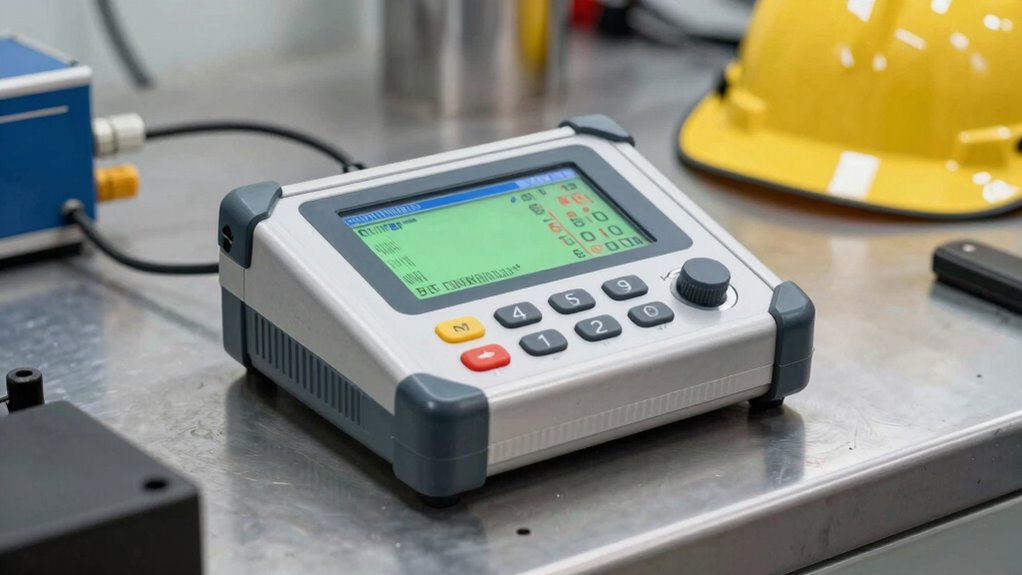

A portable gas analyzer is the smarter choice when you need instant, reliable detection of hazardous gases on-site, especially in dynamic or hard-to-reach environments. It offers quick results, allowing you to respond promptly to potential risks, and supports compliance with safety and environmental regulations. Its compact, user-friendly design helps you operate with confidence in challenging conditions. To discover how these devices improve safety and efficiency even further, keep exploring the benefits they offer.

Prime made for students and young adults
- Fast, free delivery for dorm and study essentials
- Prime Video and Amazon Music included
- Member-only deals
Key Takeaways
- Suitable for rapid on-site safety assessments and immediate hazard detection without laboratory delays.
- Ideal for exploring remote or hard-to-reach areas where stationary analyzers are impractical.
- Offers quick deployment, user-friendly operation, and durability in challenging environments.
- Enables real-time data collection for swift decision-making and proactive risk management.
- Facilitates frequent calibration and maintenance to ensure long-term accuracy and reliability.
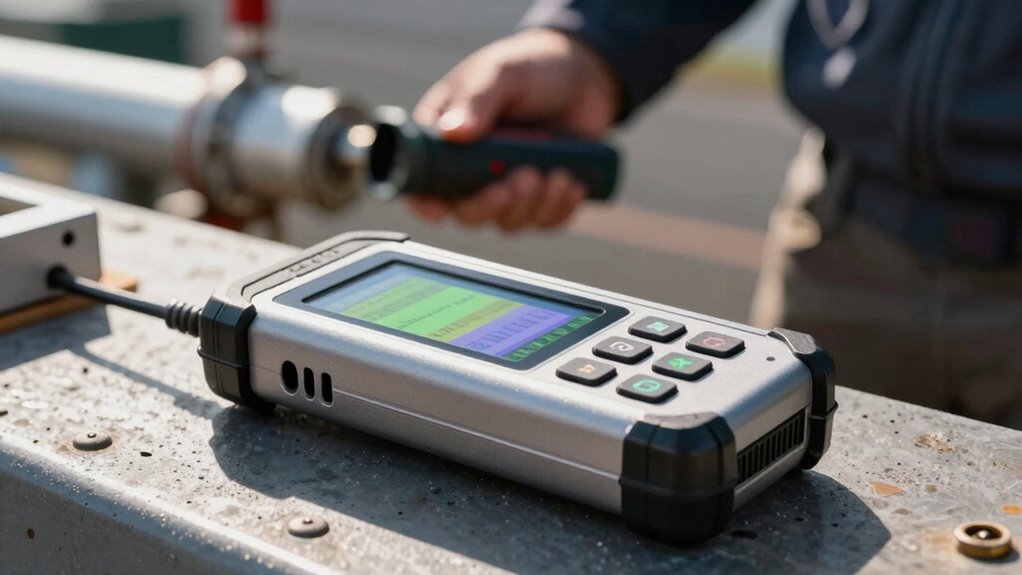
In today’s fast-paced world, monitoring gas levels accurately and efficiently is more important than ever, especially when you need mobility and quick results. A portable gas analyzer becomes your best ally, providing immediate data on-site without the delays of laboratory testing. Whether you’re overseeing industrial safety or conducting environmental monitoring, having a reliable device you can carry with you makes all the difference. When safety is at stake, every second counts, and a portable analyzer ensures you can identify hazardous gases swiftly, preventing accidents before they escalate. Its mobility allows you to move freely across different locations, making it easier to assess multiple areas without interrupting workflow. This flexibility is vital in industrial environments where conditions can change rapidly, and hazards can be unpredictable.
Portable gas analyzers enable quick, accurate on-site safety and environmental monitoring in dynamic conditions.
In environmental monitoring, the ability to measure gases in diverse settings—ranging from urban areas to remote outdoor locations—is a game-changer. Unlike stationary monitors, portable analyzers let you explore hard-to-reach places, guaranteeing thorough data collection. You can quickly evaluate air quality, detect leaks, or monitor emissions on the spot, enabling informed decisions with real-time insights. This immediacy not only improves safety but also supports compliance with environmental regulations, helping you avoid costly penalties and protect public health. The compact design of these devices means you’re not weighed down by bulky equipment, and modern models offer user-friendly interfaces, so you don’t need extensive training to operate them effectively. Additionally, their robust construction ensures they remain functional even in challenging environments. A comprehensive understanding of calibration is essential for maintaining measurement accuracy over time. Regular calibration and adherence to proper maintenance practices are vital for long-term reliability and precision.
Durability is another key benefit of portable gas analyzers. They’re built to withstand harsh conditions, whether that’s exposure to dust, moisture, or rough handling. This robustness ensures reliable performance over time, giving you confidence in your measurements. Plus, many analyzers come with advanced features like data logging, Bluetooth connectivity, and integrated calibration systems, which streamline your workflow. You can record multiple readings, share data instantly with team members, or calibrate on the go, all of which enhance your operational efficiency. Understanding the importance of proper calibration helps ensure your measurements remain accurate and trustworthy in the long term. Incorporating regular maintenance practices can further extend the lifespan and reliability of your device.
Choosing a portable gas analyzer is a wise decision, especially when you need to prioritize safety and environmental responsibility. It empowers you to act swiftly and accurately, minimizing risks and ensuring compliance. Whether you’re managing industrial safety protocols or conducting environmental assessments, these devices provide the flexibility, precision, and durability necessary for effective gas monitoring. With a portable analyzer, you’re not just reacting to hazards—you’re proactively managing them in real-time, making your work safer, more efficient, and ultimately smarter.
portable gas analyzer for hazardous gases
As an affiliate, we earn on qualifying purchases.
As an affiliate, we earn on qualifying purchases.
Frequently Asked Questions
How Often Should a Portable Gas Analyzer Be Calibrated?
You should calibrate your portable gas analyzer regularly to maintain accuracy standards, typically every 6 to 12 months or after a set number of uses, whichever comes first. Calibration frequency depends on your specific device, usage environment, and manufacturer recommendations. Regular calibration ensures your readings stay reliable, preventing costly errors and ensuring safety. Always follow the manufacturer’s guidelines for calibration intervals to keep your analyzer functioning at its best.
What Gases Can a Portable Analyzer Detect?
A portable gas analyzer acts like a vigilant guard, detecting a wide array of gases to keep you safe. It can identify common gases such as oxygen, carbon monoxide, methane, hydrogen sulfide, and volatile organic compounds. This tool guarantees accurate gas detection, helping you meet safety compliance effortlessly. With its quick readings, you can respond swiftly, preventing hazards and safeguarding your environment.
Are Portable Gas Analyzers Suitable for Industrial Environments?
Yes, portable gas analyzers are suitable for industrial environments. They enhance industrial safety by allowing quick detection of hazardous gases, preventing accidents. You can also use them for environmental monitoring to guarantee compliance with regulations. Their portability means you can easily carry them around, monitor multiple areas, and respond swiftly to potential risks. Overall, they’re essential tools for maintaining safety standards and environmental health in demanding industrial settings.
How Long Does the Battery Last on a Portable Gas Analyzer?
The battery life of a portable gas analyzer typically ranges from 6 to 12 hours, depending on usage and model. You can extend its operational time through effective power management, such as turning off unnecessary functions and using energy-efficient settings. Always check the specific device’s battery specifications and carry a spare or charging option for longer jobs, ensuring continuous monitoring without interruptions.
What Maintenance Is Required for a Portable Gas Analyzer?
You need to regularly calibrate the sensors to guarantee accurate readings and check the data storage system to confirm it’s functioning properly. Keep the device clean and protect it from dust and moisture. Replace filters as recommended by the manufacturer, and verify battery connections periodically. By maintaining these aspects, you’ll keep your portable gas analyzer reliable and extend its lifespan, ensuring consistent and precise measurements.
As an affiliate, we earn on qualifying purchases.
Conclusion
Think of a portable gas analyzer as your trusted lighthouse, guiding you safely through foggy, uncertain waters. It lights the way with precision, ensuring you avoid unseen hazards and reach your destination intact. When every second counts and safety is non-negotiable, this compact hero becomes your best ally. Choose wisely, and let it be the beacon that keeps you secure, confident, and always one step ahead in the journey to safety.
As an affiliate, we earn on qualifying purchases.
mobile environmental gas analyzer
As an affiliate, we earn on qualifying purchases.
As an affiliate, we earn on qualifying purchases.
Halloween Picks
halloween
As an affiliate, we earn on qualifying purchases.