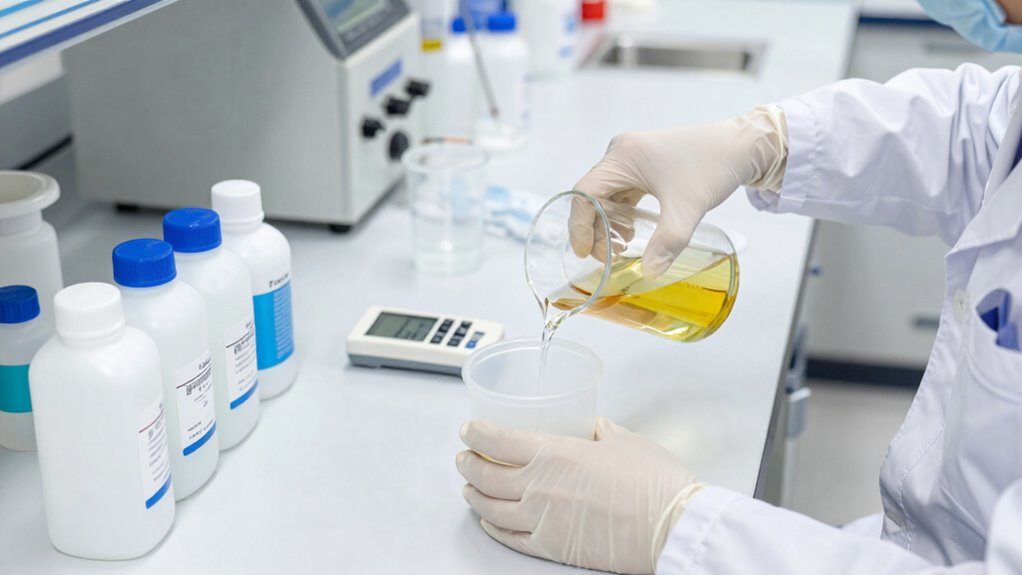

To reduce solvent waste in routine lab work, focus on optimizing procedures by minimizing solvent volumes and choosing more efficient, less hazardous options. Train staff on waste reduction practices and maintain standardized protocols for consistency. Automate processes for precise handling and regularly service equipment to prevent leaks. Keep detailed records to track usage and identify improvement areas. Embracing new technologies and fostering a waste-conscious culture can lead to continuous gains—you’ll find more strategies ahead.

Prime made for students and young adults
- Fast, free delivery for dorm and study essentials
- Prime Video and Amazon Music included
- Member-only deals
Key Takeaways
- Optimize procedures by reducing solvent volumes and adopting micro-scale reactions to minimize waste.
- Train staff on best practices for solvent handling and waste reduction techniques.
- Use automated systems and regular equipment maintenance to enhance measurement accuracy and prevent spills.
- Maintain detailed records to monitor solvent use and identify opportunities for waste reduction.
- Incorporate technological advancements and foster a waste-conscious culture for continuous improvement.

Waste minimization is another critical aspect in reducing solvent waste. It involves optimizing your procedures to use the smallest amounts of solvents necessary to achieve your goals. You can do this by adjusting your technique, such as reducing solvent volume in extractions or employing more efficient methods like micro-scale reactions. These small changes can markedly cut down on solvent consumption over time. Additionally, being mindful of your solvent choices—selecting less hazardous or more easily recyclable options—can further support waste reduction efforts. Implementing standardized procedures and training staff to follow best practices can ensure consistent, efficient use of solvents across your lab.
Automation and proper equipment maintenance play key roles in waste minimization. Using automated systems for solvent handling ensures precise measurement and reduces overuse, while routine maintenance of your equipment prevents leaks and spills that contribute to waste. Properly calibrated instruments also minimize errors, reducing the need for repeat experiments and excess solvent use. Maintaining detailed records of solvent usage helps identify patterns and opportunities for improvement. Tracking quantities, disposal methods, and recycling efforts provides insights into where waste reduction strategies are most effective. Regularly reviewing and refining your processes enables you to adopt new, more efficient techniques as they become available. Incorporating technological advancements in lab equipment can also lead to more sustainable solvent management practices. Furthermore, fostering a culture of waste awareness among staff encourages continuous improvement in resource conservation. Recognizing best practices in waste reduction can motivate team members to innovate and adopt more sustainable techniques.
laboratory solvent measurement tools
As an affiliate, we earn on qualifying purchases.
As an affiliate, we earn on qualifying purchases.
Frequently Asked Questions
How Can I Measure Solvent Waste Accurately in My Lab?
You can measure solvent waste accurately by monitoring solvent evaporation rates during your procedures. Use graduated cylinders or volumetric flasks to measure initial and final solvent volumes precisely. Keep detailed records of each use to identify waste patterns. Implement waste minimization strategies, like optimizing solvent amounts and recycling unused solvent, and regularly calibrate your measuring instruments to guarantee accuracy. This approach helps you track waste and improve your lab’s efficiency.
What Are the Cost Benefits of Reducing Solvent Waste?
Reducing solvent waste leads to significant cost savings by decreasing the amount of purchased chemicals and disposal expenses. You’ll also see a positive environmental impact, as less waste means fewer harmful emissions and reduced resource consumption. These benefits lower operational costs and promote sustainability, helping your lab comply with regulations and enhance its reputation. Overall, minimizing solvent waste benefits your budget and the environment simultaneously.
Are There Specific Safety Concerns With Solvent Recycling?
Yes, there are safety concerns with solvent recycling. You need to guarantee chemical compatibility between recycled solvents and recycling equipment to prevent reactions or leaks. Proper handling and maintenance of recycling equipment are vital to avoid accidents. You should also monitor for contamination, which can compromise safety and efficacy. Following safety guidelines and selecting compatible equipment minimizes risks, making solvent recycling safer for your lab environment.
How Can Staff Be Trained Effectively on Waste Reduction Practices?
You can boost staff engagement by making training interactive and relatable, ensuring it sticks. Use hands-on demonstrations, visual aids, and real-life scenarios to emphasize waste reduction practices. Incorporate regular refresher sessions and encourage open discussions, so staff feel involved and motivated. By blending varied training methods, you create a dynamic learning environment, helping your team understand the importance of waste reduction and empowering them to implement best practices confidently.
What Are the Regulatory Requirements for Solvent Disposal?
You need to follow environmental compliance regulations, which specify proper disposal protocols for solvents. Guarantee you accurately identify waste streams, use approved containers, and label them correctly. Regularly review local, state, and federal guidelines, such as OSHA or EPA standards, to stay compliant. Proper disposal prevents environmental harm and legal issues, so always adhere to established procedures and document waste handling processes diligently.
automated solvent handling systems
As an affiliate, we earn on qualifying purchases.
As an affiliate, we earn on qualifying purchases.
Conclusion
By adopting these waste-reducing practices, you’ll not only save resources but also help safeguard the environment—much like a vigilant alchemist guarding the secrets of his lab. Remember, every small step counts, and with a little ingenuity, you can turn your routine lab work into a more sustainable endeavor. So, when you next handle solvents, think of yourself as a steward of the earth’s precious elements, ensuring they’re used wisely and sparingly—like a wise scientist of old.
As an affiliate, we earn on qualifying purchases.
As an affiliate, we earn on qualifying purchases.
Fall Picks
fall essentials
As an affiliate, we earn on qualifying purchases.