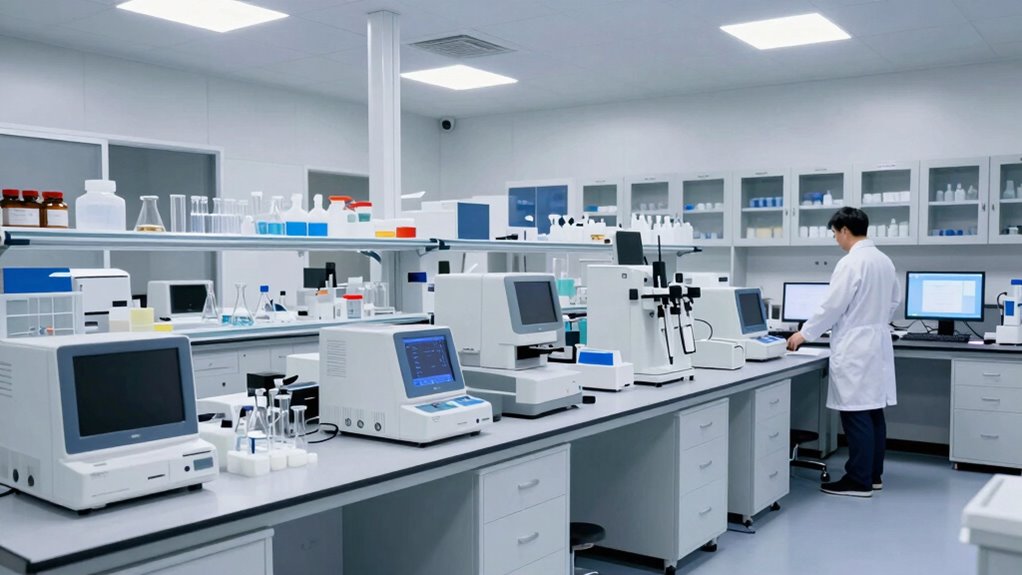

To reduce downtime in your chemistry lab, focus on strategic equipment planning. Keep an organized inventory, schedule regular maintenance, and anticipate repairs to avoid unexpected breakdowns. Train your staff well so they can troubleshoot issues quickly and properly operate tools. Incorporate durable instruments and maintain smooth workflows. By combining these approaches, you’ll enhance your lab’s efficiency and minimize disruptions, helping your projects stay on track. Keep exploring to discover more ways to keep your lab running smoothly.

Get school and study supplies delivered free — and shop member deals
- Fast, free delivery on millions of items
- Access to Prime Big Deal Days deals on October 6–7
- Prime Video, Amazon Music and more included
Key Takeaways
- Strategic equipment planning ensures quick response and minimizes delays during issues.
- Regular inventory and maintenance schedules prevent unexpected equipment failures.
- Staff training enhances troubleshooting skills, reducing downtime caused by operator error.
- Integrating equipment management with training promotes continuous operational readiness.
- Investing in durable, high-quality instruments decreases repair frequency and improves reliability.
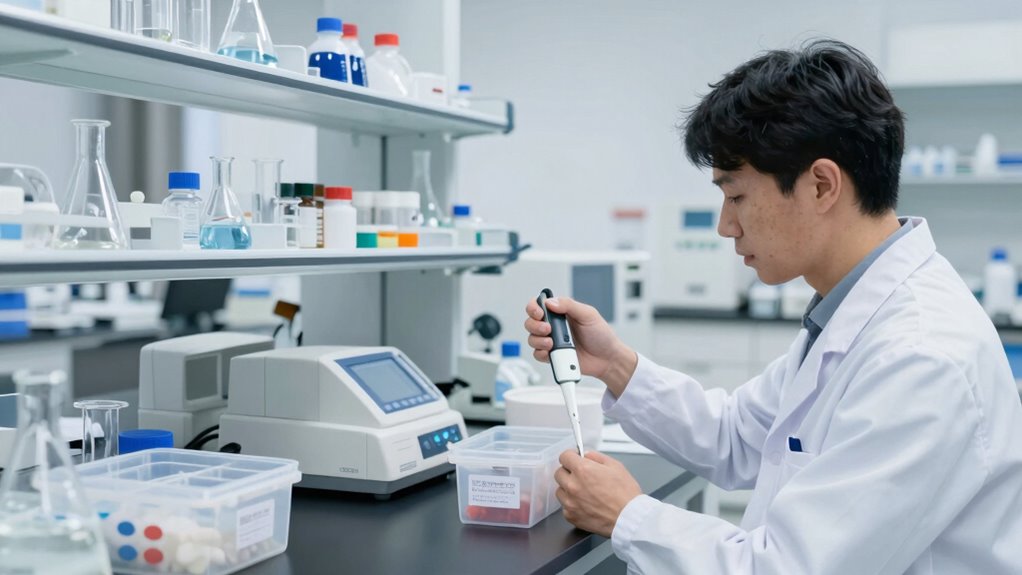
Chemistry labs are increasingly adopting new tools and protocols that substantially cut down downtime, allowing experiments to proceed more smoothly and efficiently. One of the key ways to achieve this is through strategic equipment planning, which directly impacts how quickly you can respond to issues and keep research on track. Regular equipment maintenance plays an essential role here. When you prioritize routine checks and calibrations, you prevent unexpected breakdowns that can halt experiments for hours or days. Scheduling maintenance during planned downtimes ensures that your equipment remains reliable, minimizing disruptions. Additionally, investing in high-quality, durable instruments reduces the frequency of repairs, guaranteeing more consistent performance over time. Incorporating landscaping and natural design elements can also help create a more organized and accessible lab environment, reducing clutter and making maintenance tasks easier. Beyond maintenance, staff training is indispensable for reducing downtime. When your team understands how to operate equipment correctly and troubleshoot minor problems, you prevent many issues from escalating. Well-trained staff can quickly identify when something isn’t functioning properly and take appropriate steps without waiting for external support. This proactive approach minimizes delays and keeps experiments progressing smoothly. Regular training sessions also introduce new protocols and updates, ensuring everyone stays current with best practices and safety standards. When your team is confident and knowledgeable, they can handle routine issues efficiently, freeing up time for more complex tasks. Effective equipment planning involves keeping an accurate inventory of your tools and their maintenance schedules. By tracking usage and maintenance history, you can anticipate when repairs or replacements are needed, preventing last-minute surprises. This foresight ensures your lab is always prepared with the necessary equipment, reducing idle time caused by missing or malfunctioning tools. Incorporate preventative maintenance into your routine, and you’ll often catch small problems before they escalate into major setbacks. It’s about creating a reliable system where equipment issues are addressed proactively rather than reactively. Furthermore, integrating staff training with equipment planning fosters a culture of continuous improvement. Encourage your team to share insights and tips on troubleshooting common issues, and promote cross-training so multiple team members can step in if needed. This flexibility prevents bottlenecks caused by personnel unavailability or unexpected equipment failures. When you combine diligent equipment maintenance with essential staff training, you create a resilient lab environment. This approach not only reduces downtime but also boosts overall productivity, allowing your research to move forward without unnecessary delays. In the end, thoughtful planning ensures your lab runs more smoothly, saving time and resources while maintaining high standards of safety and accuracy.
laboratory equipment maintenance tools
As an affiliate, we earn on qualifying purchases.
As an affiliate, we earn on qualifying purchases.
Frequently Asked Questions
How Often Should Equipment Maintenance Be Scheduled?
You should schedule equipment maintenance regularly, ideally based on the equipment’s lifespan and manufacturer recommendations. Maintenance scheduling varies, but most lab equipment benefits from routine checks every few months or after a certain number of uses. By proactively planning maintenance, you minimize unexpected breakdowns, extend equipment lifespan, and guarantee smooth lab operations. Consistent maintenance is key to reducing downtime and keeping your chemistry lab running efficiently.
What Cost-Effective Equipment Upgrade Options Are Available?
You should consider cost-effective equipment upgrades like refurbished instruments, modular systems, or multi-functional devices to optimize your budget and extend equipment lifecycle. These options provide reliable performance without overspending, helping you maintain lab efficiency. By focusing on budget optimization, you reduce expenses while upgrading essential tools, ensuring your lab runs smoothly and minimizes downtime. Regularly evaluating equipment needs and exploring affordable alternatives allow you to balance quality and cost effectively.
How Can Staff Be Trained on New Lab Equipment?
Your staff’s skills can skyrocket with effective training techniques and seamless equipment onboarding. Start with hands-on demonstrations and clear manuals, then incorporate interactive sessions to reinforce learning. Use real-world scenarios to help them adapt quickly. Regular refresher courses keep everyone sharp. This approach guarantees your team masters new lab equipment swiftly, minimizing downtime and maximizing productivity—making your lab a powerhouse of efficiency and innovation.
What Safety Protocols Are Essential During Equipment Replacement?
During equipment replacement, you should prioritize safety protocols like wearing protective gear—gloves, goggles, and lab coats—to prevent injuries. Make certain emergency procedures are clearly communicated, including how to shut down equipment safely and respond to spills or accidents. Keep a well-stocked emergency kit nearby, and verify all staff know the steps. This approach minimizes risks, maintains safety, and guarantees smooth, efficient equipment handovers.
How to Prioritize Equipment Purchases During Budget Constraints?
Prioritize equipment purchases like a chef selecting ingredients—focusing on the most vital first. Assess each item’s equipment lifecycle to determine its remaining usefulness, and allocate your budget accordingly. Invest in high-impact, long-lasting equipment to prevent frequent replacements that disrupt workflow. By aligning your budget allocation with equipment lifecycle insights, you guarantee essential tools are ready when needed, minimizing downtime and maximizing lab efficiency during tight budget periods.
chemistry lab durable instruments
As an affiliate, we earn on qualifying purchases.
As an affiliate, we earn on qualifying purchases.
Conclusion
Imagine your chemistry lab as a finely tuned orchestra; every instrument must be in sync for a perfect performance. When equipment is well-planned, downtime becomes the missed notes that you quickly fix, rather than prolonged silence. One lab manager’s proactive approach cut downtime by 30%, turning chaos into harmony. With smarter planning, you guarantee your lab runs smoothly, letting you focus on discovery rather than delays. Don’t let equipment issues silence your success—plan ahead for a seamless symphony.
lab inventory management software
As an affiliate, we earn on qualifying purchases.
As an affiliate, we earn on qualifying purchases.
lab troubleshooting training kits
As an affiliate, we earn on qualifying purchases.
As an affiliate, we earn on qualifying purchases.
Fall Picks
fall essentials
As an affiliate, we earn on qualifying purchases.




![Competitive Programmer's Handbook (2018) [Pdf]](https://varietychem.com/wp-content/uploads/2026/10/competitive-programmer-s-handbook-2018-pdf-featured-260x140.jpg)