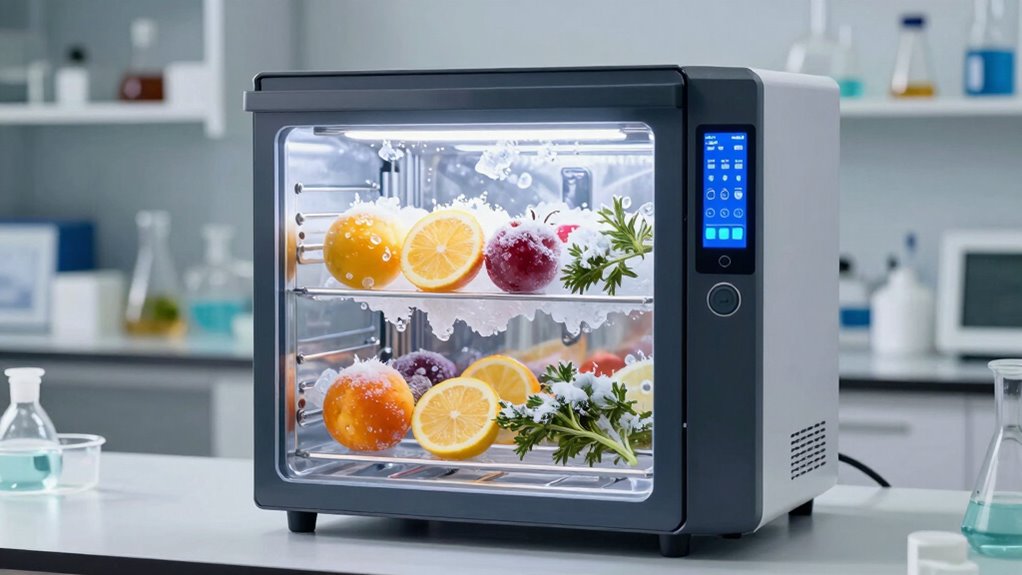

Food freeze dryers appeal to science-minded buyers because they offer precise control over temperature and humidity, ensuring reliable preservation of foods, artifacts, and research samples. This technology extends shelf life while maintaining nutrients, flavor, and structural integrity better than traditional methods. They help prevent microbial growth and decay, making them ideal for sensitive projects. If you want to understand how these advanced tools can support your scientific pursuits, you’re in the right place.
Key Takeaways
- Enable precise control over temperature and moisture levels for reliable scientific preservation.
- Support research on food stability, nutrients, and the effects of freeze drying on various materials.
- Extend shelf life of samples, artifacts, and foods without compromising their integrity.
- Facilitate innovative preservation techniques aligned with scientific and space exploration needs.
- Offer versatile applications in safeguarding heritage and developing space-efficient, rehydratable foods.
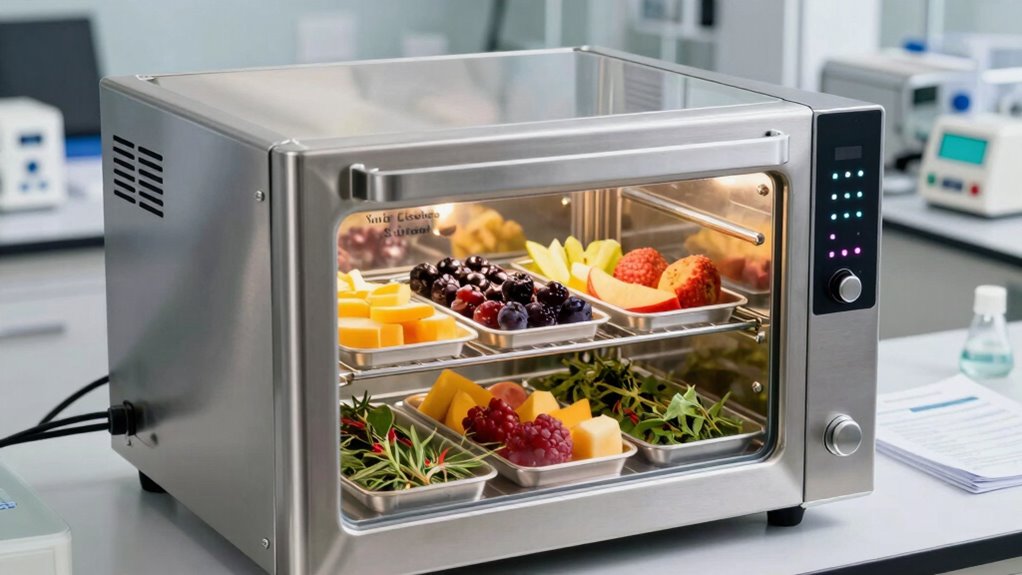
If you’re a science-minded buyer seeking reliable food freeze dryers, understanding their key features and applications is essential. These devices aren’t just about preserving food; they play a crucial role in historical preservation and space exploration. Freeze drying helps safeguard valuable artifacts and documents by removing moisture without damaging delicate materials. For museums and researchers, this method ensures that historic relics, textiles, and even ancient manuscripts remain intact over time, ready for study or display without the risk of mold or decay. You can appreciate how this technology bridges science and history, making it indispensable for preserving cultural heritage.
In space exploration, freeze dryers serve a different but equally important purpose. Space agencies rely on these devices to prepare and store astronaut food, enabling long missions without compromising nutritional value or taste. Freeze-dried food is lightweight, compact, and easy to rehydrate, making it ideal for the constraints of space travel. When you consider the challenges of living in space for extended periods, the ability to efficiently preserve and reconstitute food becomes a critical component of mission planning. This application demonstrates how freeze drying aligns with the scientific need for reliable, space-grade preservation methods. Additionally, the technology’s precise control over temperature and moisture levels is vital for maintaining quality during storage and rehydration. Furthermore, the moisture removal process is carefully managed to prevent microbial growth and spoilage, which is crucial in both space and archival applications. Understanding how these devices operate under controlled conditions highlights their importance in scientific research and practical applications. This level of control also supports the development of innovative preservation techniques, which can lead to new scientific breakthroughs.
Beyond these specialized uses, food freeze dryers appeal to science-minded buyers because of their precision and versatility. They operate under carefully controlled conditions, ensuring that the integrity of the food or materials remains intact. For scientists and researchers, this means consistent results when studying preservation techniques or developing new applications. The technology allows you to extend shelf life, retain flavor, and preserve nutrients more effectively than traditional drying methods. Plus, the ability to process a wide variety of foods and materials makes freeze dryers adaptable to multiple scientific and practical needs.
You’ll also find that these machines support experimental research and innovative projects. Whether you’re working on developing new preservation techniques, testing the effects of freeze drying on different substances, or creating space-friendly food options, a high-quality freeze dryer offers the reliability and precision you require. Its role in both conserving the past and enabling future exploration showcases why it’s so appealing to science-minded buyers. You get a device that combines scientific rigor with real-world applications, making it a valuable investment for those committed to advancing knowledge and preserving vital resources.
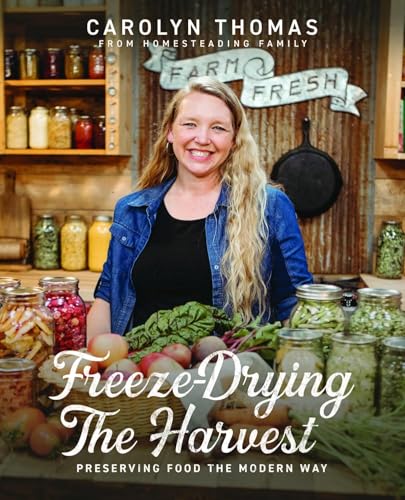
Freeze-Drying the Harvest: Preserving Food the Modern Way
As an affiliate, we earn on qualifying purchases.
As an affiliate, we earn on qualifying purchases.
Frequently Asked Questions
Can Freeze Dryers Be Used for Non-Food Scientific Samples?
Yes, freeze dryers can be used for non-food scientific samples. They help maintain the original food texture and flavor preservation, making them ideal for delicate biological specimens, pharmaceuticals, or plant materials. You can use them to dehydrate samples without damaging their structure or compromising integrity. This process guarantees your samples stay intact, enabling precise analysis and testing, all while preserving essential characteristics vital for scientific research.
What Are the Safety Considerations for Laboratory-Grade Freeze Dryers?
You should prioritize safety when operating laboratory-grade freeze dryers, especially regarding vacuum pressure and drying efficiency. Guarantee proper training to handle vacuum systems safely, as improper pressure levels can cause implosions or leaks. Regularly inspect seals and hoses to prevent contamination or vacuum failure. Always follow manufacturer guidelines and wear protective gear, as high vacuum and low temperatures pose risks. Safety precautions help optimize drying efficiency while protecting you from potential hazards.
How Do Freeze Dryers Preserve Biological Materials?
You use freeze dryers to preserve biological materials by removing moisture through sublimation, which maintains the sample’s structure and integrity. The freeze-drying benefits include extending shelf life and enabling easy transport without refrigeration. This process prevents decay and preserves biological sample preservation, making it ideal for research, storage, or future analysis. By carefully controlling temperature and pressure, you guarantee the samples stay viable and intact over time.
Are There Specific Models Suitable for Experimental Research?
Think of your freeze dryer as a laboratory’s trusty sidekick. Some models are tailored for experimental research, offering precise sample preparation and advanced equipment calibration features. Look for units with adjustable parameters and reliable performance data. These specialized models guarantee consistency and accuracy, making them ideal for scientific work. With the right choice, you’ll streamline your experiments and achieve dependable results, much like a well-orchestrated scientific symphony.
How Do Freeze Dryers Impact Nutrient Retention in Scientific Applications?
You’ll find that freeze dryers help maintain nutrient stability and flavor preservation in scientific applications. By removing moisture gently, they prevent nutrient degradation caused by heat or oxidation. This method preserves essential vitamins, minerals, and flavors, ensuring the integrity of samples for research. As a result, freeze-dried materials retain their nutritional value and taste, making them ideal for experiments requiring accurate, stable, and high-quality biological or food samples.

JARYANNIX Lab Freeze Dryer Scientific Vacuum Freeze Drying Machine Fruit and Vegetable Vacuum Sublimation Dryer with 4 Trays 11LB/Batch Processing Capacity 1550W
- Freeze Drying Technology: Rapid cooling with Tecumseh or Secop tech
- Cold Trap Temperature: ≤ -40℃ for efficient drying
- Temperature Range: -25℃ to +60℃ adjustable
As an affiliate, we earn on qualifying purchases.
As an affiliate, we earn on qualifying purchases.
Conclusion
Thinking about a food freeze dryer? It’s like revealing a secret vault of preservation, where science transforms everyday ingredients into lasting treasures. For the curious and detail-oriented, it’s more than just storage—it’s an experiment in innovation. With each freeze-dried batch, you’re not just preserving food; you’re mastering a craft that bridges science and sustenance. Embrace it, and turn your kitchen into a laboratory of endless possibilities.
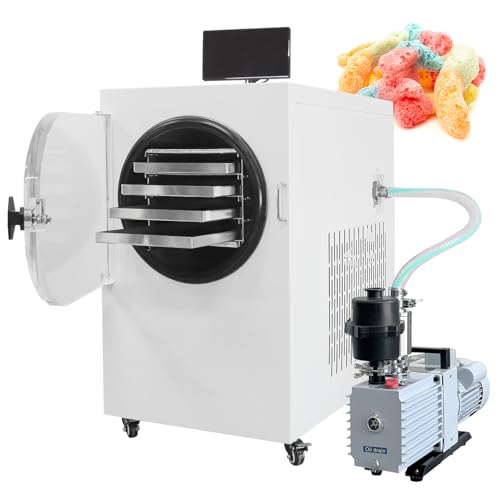
HNZXIB Freeze Dryer Machine for Home Food Preservation -76°F Cold Trap, 6.6-11 LBS/Batch, 4-Layer Stainless Steel Trays, 7" Touch Screen, Vacuum Freeze for Meat Fruit Vegetable Food Preservation 110V
- Large Batch Capacity: Supports 6.6-11 LBS per batch
- Nutrient Preservation: Retains 99% of food nutrients
- 4-Layer Stainless Steel Trays: Allows for long-term food storage
As an affiliate, we earn on qualifying purchases.
As an affiliate, we earn on qualifying purchases.

Wide Mouth Extra Large Collapsible Funnel with Stable Adjustable Stand
- Stable Anti-Slip Stand: Non-slip base and secure joints
- Adjustable Height: Four fixed height settings (12-18 inches)
- Large Wide Mouth: 15-inch opening for efficient filling
As an affiliate, we earn on qualifying purchases.
As an affiliate, we earn on qualifying purchases.