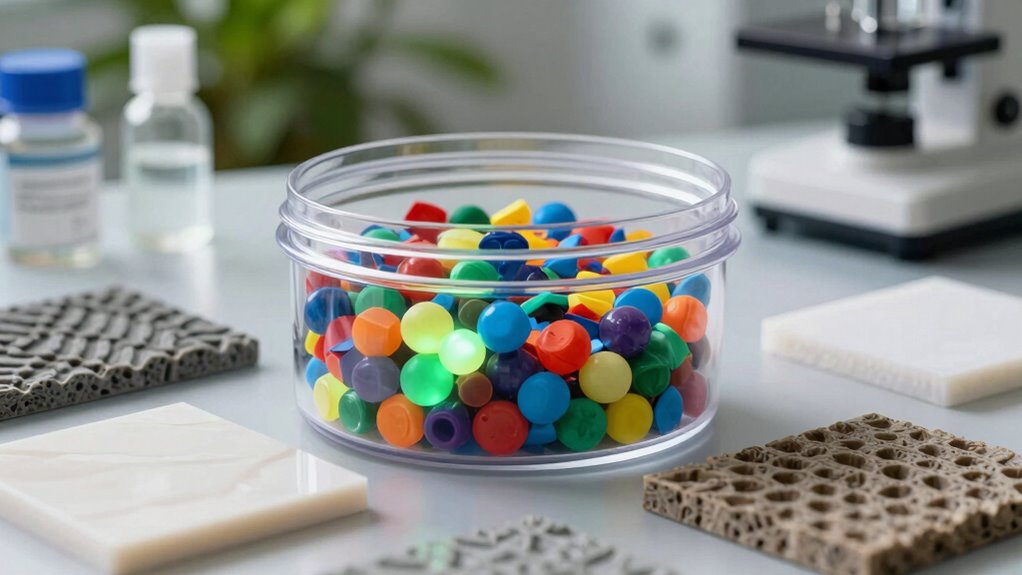

The new generation of recyclable polymers offers eco-friendly alternatives that tackle plastic waste and environmental impact. Designed for reuse, repurposing, or controlled biodegradation, these materials aim to overcome current limitations like slow breakdown in nature. While challenges remain in recycling infrastructure and industry adoption, innovations are driving progress toward more sustainable options. If you want to discover how these advancements could reshape the future of plastics, there’s much more to explore.

Prime made for students and young adults
- Fast, free delivery for dorm and study essentials
- Prime Video and Amazon Music included
- Member-only deals
Key Takeaways
- Emerging recyclable polymers focus on enhanced biodegradability and eco-friendly properties to reduce environmental impact.
- Innovations aim to improve compatibility with existing recycling infrastructure and promote circular economy principles.
- New materials incorporate advanced design techniques for easier reuse, repurposing, and efficient natural breakdown.
- Industry adoption faces barriers like cost, awareness, and infrastructure, requiring policy support and technological advancements.
- Future developments emphasize sustainable solutions through collaborative efforts, regulatory incentives, and consumer education.
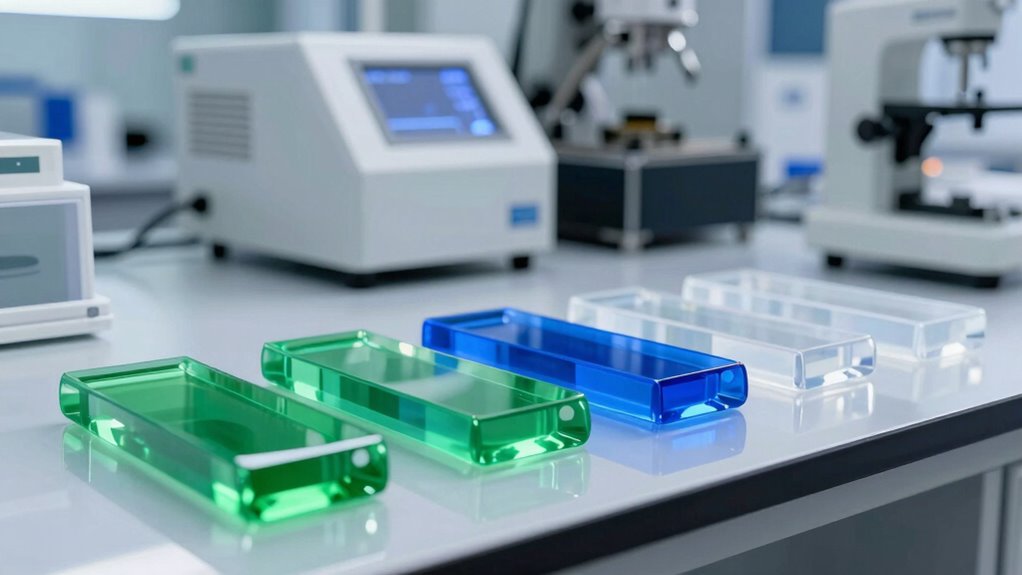
Recyclable polymers are transforming the way we approach sustainability by offering an eco-friendly alternative to traditional plastics. These advanced materials are designed to be reused, repurposed, or broken down more efficiently, reducing the environmental footprint of plastic waste. However, despite their promising potential, the path to widespread adoption isn’t without hurdles. One of the significant challenges you face with recyclable polymers is biodegradation. Many of these materials still struggle to decompose quickly in natural environments, which can hinder their overall sustainability benefits. You need to contemplate that some recyclable polymers require specific conditions, such as industrial composting facilities, to break down effectively. Without proper disposal infrastructure, these polymers may persist in ecosystems, undermining their environmental advantages and complicating waste management efforts. Incorporating biodegradation techniques into design could improve their natural breakdown process. Additionally, ongoing research aims to develop more sustainable polymer compositions, which could further enhance their environmental compatibility. Improving waste management infrastructure is crucial to maximizing the benefits of recyclable polymers, ensuring they are properly processed and reused. Developing advanced recycling methods can also help address the limitations of current technologies and expand the potential for recycling these materials more efficiently.
Market adoption of these polymers remains a pivotal factor determining their impact. While innovation in recyclable polymers continues to grow, convincing industries and consumers to shift from traditional plastics is complex. You often encounter resistance due to cost considerations, existing supply chain dependencies, and lack of awareness. Companies might hesitate to invest in new materials without clear economic incentives or proven performance benchmarks. Additionally, consumers may not fully understand the importance of choosing recyclable polymers, especially if misconceptions about their durability or safety persist. Overcoming these barriers requires coordinated efforts in education, policy support, and technological improvements to make recyclable polymers more accessible and economically viable.
The shift to a circular economy depends heavily on how effectively you can integrate recyclable polymers into current systems. This involves developing reliable collection, sorting, and recycling infrastructure to guarantee these materials are actually reused or repurposed rather than ending up as waste. Innovations in polymer design are ongoing, aiming to enhance biodegradability and compatibility with existing recycling processes. Yet, scaling these innovations from laboratory settings to industrial applications remains a challenge. You must also navigate the regulatory landscape, which varies across regions and can influence market acceptance. Governments and industry leaders play vital roles in incentivizing the adoption of recyclable polymers through policies such as bans on single-use plastics and subsidies for sustainable materials.
Ultimately, the future of recyclable polymers hinges on your ability to address biodegradation challenges and accelerate market adoption. As awareness grows and technology advances, these materials can become a fundamental part of a more sustainable and environmentally responsible society. The shift may be gradual, but with continued effort and innovation, recyclable polymers can redefine how we manage plastics for generations to come.
recyclable biodegradable plastics
As an affiliate, we earn on qualifying purchases.
As an affiliate, we earn on qualifying purchases.
Frequently Asked Questions
How Do Recyclable Polymers Compare in Cost to Traditional Plastics?
Recyclable polymers tend to be slightly more expensive upfront than traditional plastics, but their cost efficiency improves with increased market adoption. As more companies embrace sustainable options, production scales up, reducing costs. You might find that in the long run, recyclable polymers save money due to lower disposal and environmental compliance costs. Overall, their growing market presence is making them more competitive, encouraging wider adoption despite initial price differences.
Are Recyclable Polymers Suitable for High-Temperature Industrial Applications?
Recyclable polymers can be suitable for high-temperature industrial applications if they offer adequate thermal stability and chemical resistance. You need to choose materials specifically engineered for such conditions, as some recyclable options might degrade or lose properties under intense heat or harsh chemicals. By selecting recyclable polymers designed for high-performance environments, you guarantee durability and sustainability, making them a viable alternative to traditional plastics in demanding industrial settings.
What Are the Main Challenges in Scaling Recyclable Polymer Production?
You face challenges in scaling recyclable polymer production because maintaining consistent polymer stability is tough, especially as production volumes increase. Biodegradation rates can vary, impacting environmental benefits and application performance. To succeed, you need to optimize manufacturing processes, guarantee quality control, and develop polymers with predictable stability and biodegradation profiles. Overcoming these hurdles allows you to produce recyclable polymers efficiently at larger scales, supporting sustainable and eco-friendly solutions.
How Long Do Recyclable Polymers Typically Take to Degrade in Landfills?
Recyclable polymers typically take several years to biodegrade in landfills, with the Biodegradation timeline often stretching from 10 to 100 years depending on the material and environmental conditions. The landfill breakdown process is slow because these polymers face limited oxygen and microbial activity, which are essential for decomposition. To reduce environmental impact, advancements focus on designing polymers with faster biodegradation rates under landfill conditions.
Can Recyclable Polymers Be Safely Used in Food Contact Materials?
You can safely use recyclable polymers in food contact materials if they meet strict safety standards. These materials must demonstrate excellent food safety and chemical stability, guaranteeing no harmful substances leach into food. Responsible manufacturers test and certify recyclable polymers to confirm they’re suitable for food contact. By choosing certified options, you ensure your products are safe, stable, and environmentally friendly, supporting both health and sustainability goals.
As an affiliate, we earn on qualifying purchases.
Conclusion
As you embrace the future of sustainable living, recyclable polymers become your guiding stars in a universe craving change. They’re not just materials; they’re the seeds of a greener tomorrow, transforming waste into wonder. By choosing these innovative polymers, you’re planting the roots of a circular economy—where nothing is lost, only reborn. Together, you and these materials craft a tapestry of hope, weaving a brighter, more resilient world for generations to come.
As an affiliate, we earn on qualifying purchases.
As an affiliate, we earn on qualifying purchases.
Fall Picks
fall essentials
As an affiliate, we earn on qualifying purchases.