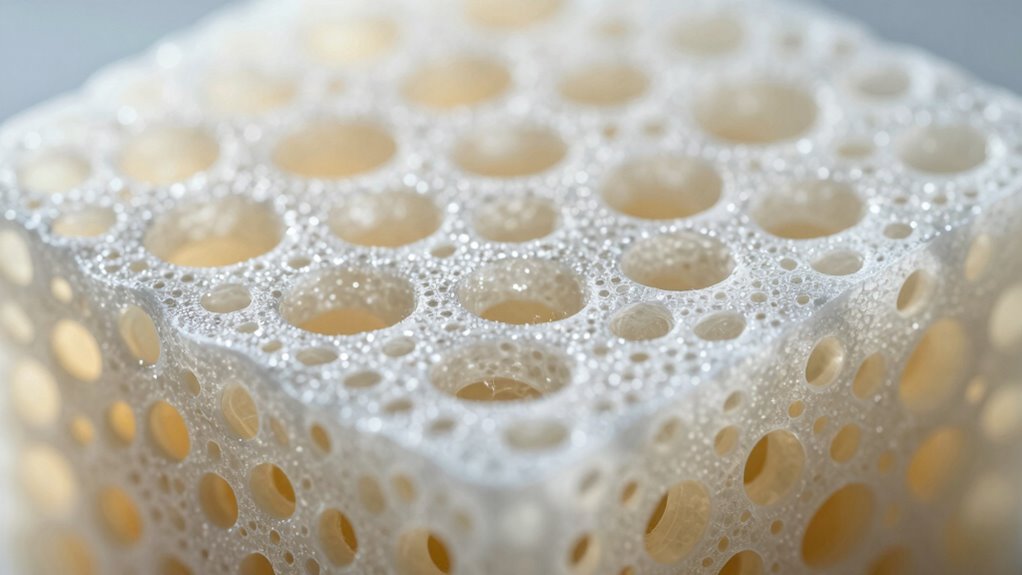

Porous materials are a big deal in modern chemistry because they let you selectively absorb, store, and catalyze reactions, making processes more efficient and sustainable. Their tiny pores and channels trap molecules based on size or chemistry, helping with purification and environmental cleanup. Plus, their high surface area improves catalysts, speeding up reactions in industries like refining and gas separation. If you want to discover how they’re transforming science and industry, keep exploring their incredible potential.

Prime made for students and young adults
- Fast, free delivery for dorm and study essentials
- Prime Video and Amazon Music included
- Member-only deals
Key Takeaways
- Porous materials enable selective absorption and removal of contaminants, improving purification and environmental sustainability.
- Their high surface area enhances catalytic efficiency and reaction selectivity in industrial processes.
- Customizable pore sizes and surface chemistries allow tailored solutions for gas storage, separation, and targeted adsorption.
- They increase process efficiency, reduce energy consumption, and support environmentally friendly manufacturing practices.
- Porous materials are foundational in developing advanced, sustainable technologies in energy, environmental management, and chemical engineering.
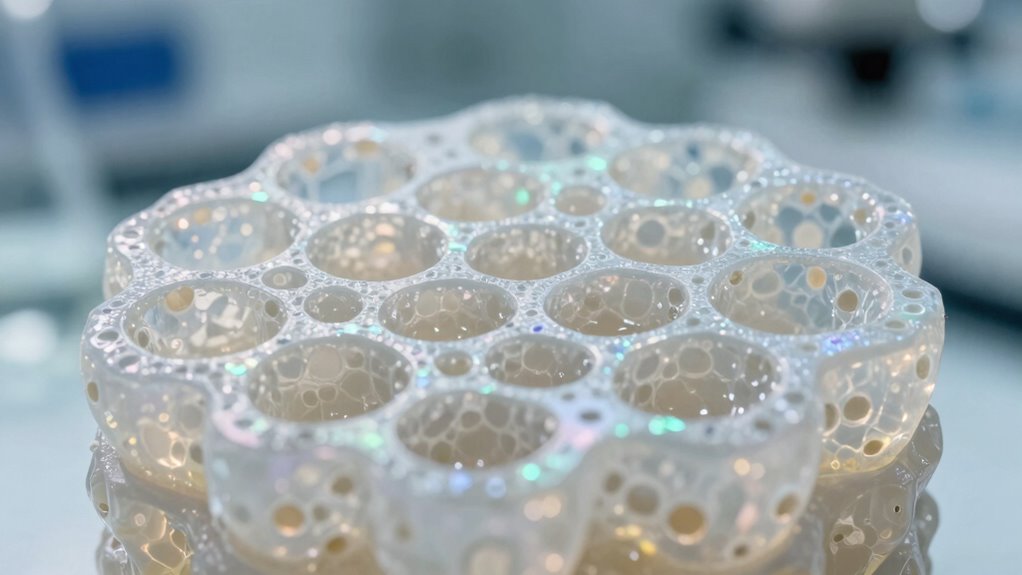
Porous materials have become essential in modern chemistry because of their unique ability to selectively absorb, store, and catalyze chemical reactions. Their structure, characterized by a network of tiny pores and channels, allows you to harness processes like adsorption with remarkable efficiency. When you use adsorption techniques involving porous materials, you can remove contaminants from gases and liquids effectively, making them invaluable in environmental cleanup, water purification, and even in industrial separations. These materials act as molecular sieves, trapping specific molecules based on size or chemical affinity, which means you can tailor them for targeted applications. This selectivity not only improves purification processes but also reduces waste, making operations more sustainable and cost-effective. Additionally, the durability and customizable nature of these materials mean they can be engineered for specific applications, further expanding their usefulness in modern chemistry.
In catalytic applications, porous materials shine even brighter. Their high surface area provides a vast playground for chemical reactions to occur, giving you more active sites for catalysis. When catalysts are embedded within these porous frameworks, reactions proceed more quickly and with greater selectivity. This is particularly useful in industrial processes where you want to maximize product yield while minimizing byproducts. For example, porous zeolites are widely used in petrochemical refining because they can facilitate specific reactions, like cracking large hydrocarbons into smaller, more useful molecules. You can also modify the surface chemistry of these materials to enhance their catalytic performance, making them versatile tools for a variety of chemical transformations. Additionally, the customizable nature of pore size and surface properties allows for precise control over chemical processes, further enhancing their efficiency. Recognizing the importance of pore size and surface chemistry, researchers can tailor these materials to optimize their performance in specific environments. Incorporating porous structures into chemical design enables a tailored approach that boosts the effectiveness of catalysts and adsorption processes alike.
The ability to control pore size and surface properties means you can design porous materials for specific tasks. For instance, in gas storage and separation, you can select materials that preferentially adsorb particular gases, improving efficiency in applications like carbon capture or natural gas purification. When it comes to catalysis, this customization allows you to create highly selective catalysts that steer reactions toward desired products, reducing the need for harsh conditions or excessive energy input. The integration of porous materials into sustainable technologies underscores their vital role in advancing environmentally friendly solutions. The synergy between adsorption and catalytic capabilities makes porous materials a cornerstone of modern chemical engineering. They enable cleaner, more efficient processes, helping you develop sustainable solutions to complex problems in energy, environment, and manufacturing.
porous materials for gas separation
As an affiliate, we earn on qualifying purchases.
As an affiliate, we earn on qualifying purchases.
Frequently Asked Questions
How Are Porous Materials Manufactured at an Industrial Scale?
You manufacture porous materials at an industrial scale by applying synthesis techniques like sol-gel processes, templating, or chemical vapor deposition. These methods allow precise control over porosity and structure. You then perform material characterization, such as BET surface area analysis or scanning electron microscopy, to guarantee quality and consistency. This combination of synthesis techniques and thorough characterization helps produce porous materials suitable for diverse applications efficiently and reliably.
What Are the Environmental Impacts of Porous Material Production?
You should know that producing porous materials impacts the environment through high energy use and chemical waste, increasing their environmental footprint. To minimize this, industries adopt sustainability strategies like using greener synthesis methods, recycling waste, and choosing eco-friendly raw materials. These efforts help reduce pollution and conserve resources, making the production process more sustainable while still enabling the benefits porous materials offer in various applications.
Can Porous Materials Be Recycled or Reused Effectively?
Porous materials can indeed be recycled and reused, but their durability plays a vital role in the process. Think of them as a sponge—sometimes they hold up well, soaking in new life, but other times, recycling challenges cause them to break down. You need to handle them with care, ensuring their structure remains intact through multiple cycles, turning waste into resource and making the cycle sustainable.
How Do Porous Materials Compare Cost-Wise to Traditional Materials?
Porous materials generally cost more upfront than traditional materials due to their specialized structure and manufacturing processes. However, their material affordability improves over time because they often require less material and energy for specific applications, like filtration or catalysis. The cost comparison varies depending on use, but their efficiency and durability can lead to long-term savings, making them a worthwhile investment despite higher initial prices.
What Emerging Technologies Could Further Enhance Porous Material Applications?
Imagine a future where porous materials become smarter and more adaptable. You’ll see advancements through nanostructure optimization, making these materials more precise and efficient. Surface functionalization will add specialized functionalities, transforming how they interact with their environment. These emerging technologies could revolutionize filtration, energy storage, and catalysis, allowing you to develop highly tailored solutions that push the boundaries of what’s possible in modern chemistry.
As an affiliate, we earn on qualifying purchases.
Conclusion
You can see that porous materials are truly game-changers in chemistry. They’re used in everything from clean energy to medicine, with over 30% of new materials research focused on them. Their unique ability to trap and release molecules makes them essential for innovations like carbon capture and drug delivery. As you explore their potential, remember that these tiny structures are shaping a smarter, more sustainable future—proving that small things really can make a big difference.
water purification porous filters
As an affiliate, we earn on qualifying purchases.
As an affiliate, we earn on qualifying purchases.
carbon capture porous adsorbents
As an affiliate, we earn on qualifying purchases.
As an affiliate, we earn on qualifying purchases.
Fall Picks
fall essentials
As an affiliate, we earn on qualifying purchases.