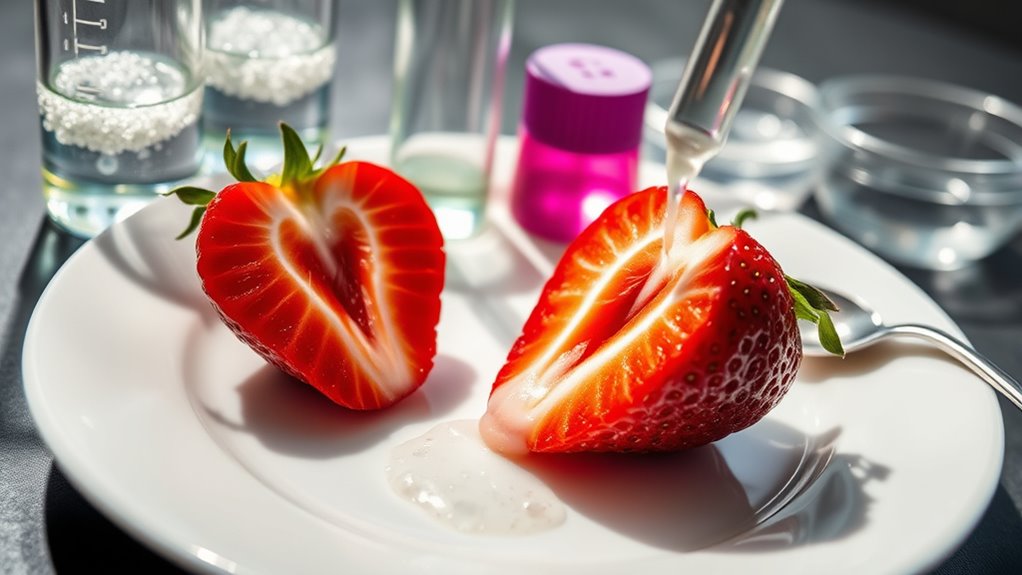

To extract DNA from strawberries at home, mash the berries thoroughly to break open cells. Mix them with a solution of dish soap, salt, and water to dissolve fats and release DNA. Filter the mixture to remove solids, then gently pour cold alcohol down the side of the container to make the DNA clump together. You’ll see wispy strands forming—an exciting glimpse into genetic material. Keep exploring to learn more about this fascinating process and its significance.
Key Takeaways
- Mash strawberries to break open cells and release DNA for easier extraction.
- Mix strawberry mash with a solution of dish soap, salt, and water to break down cell membranes.
- Filter the mixture to remove solid debris before adding alcohol for DNA precipitation.
- Slowly pour cold alcohol down the side of the container to cause DNA strands to become visible.
- Collect and observe the white, wispy DNA strands that form during the precipitation process.
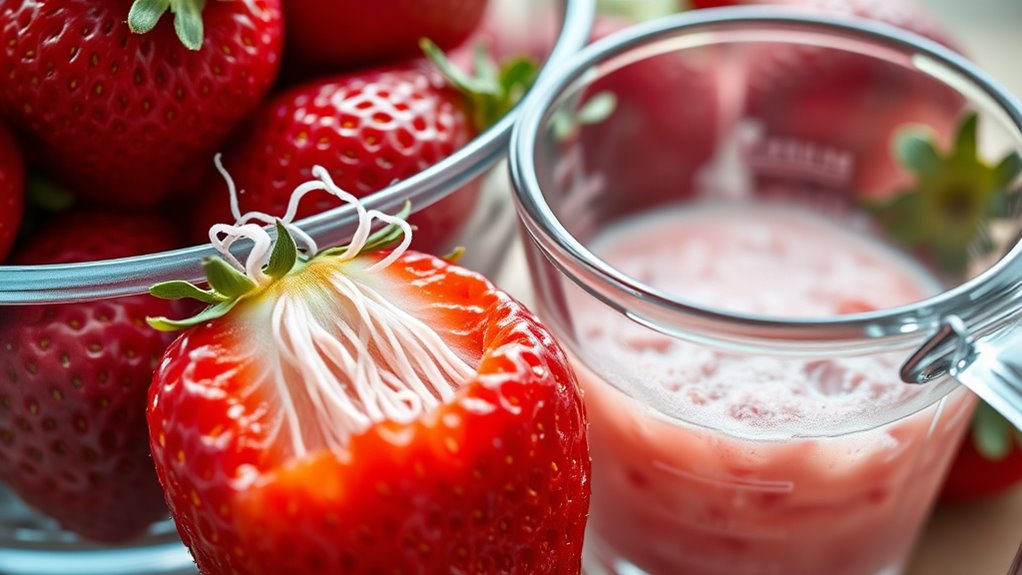
Have you ever wondered how scientists can isolate DNA from everyday objects? It’s an incredible process that reveals the genetic blueprint of living things. When you extract DNA from strawberries at home, you’re doing more than just a fun science experiment—you’re getting a peek into the world of genetic information. Understanding how DNA can be isolated helps you appreciate the techniques behind genetic modification and DNA sequencing, which are transforming agriculture, medicine, and biology. By learning the basics, you’re also gaining insight into how scientists manipulate genes to improve crops, develop vaccines, and explore the mysteries of life itself.
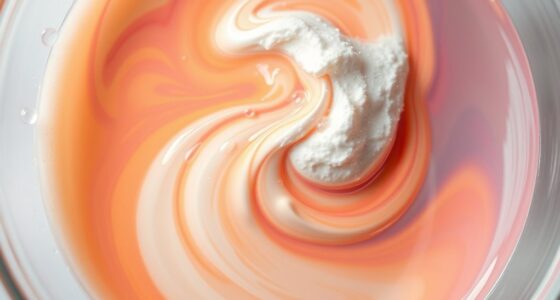
The process of extracting DNA from strawberries is straightforward and accessible. Strawberries are ideal because they are octoploid, meaning they contain multiple copies of their genetic material, making DNA easier to see and work with. To start, you mash up the strawberries to break open the cells, releasing their contents. The key is to use a simple extraction solution—usually a mixture of dish soap, salt, and water—that breaks down cell membranes and helps release DNA. The soap dissolves fats in the cell and nuclear membranes, while the salt causes the DNA strands to clump together, making them easier to separate from the rest of the cellular debris.
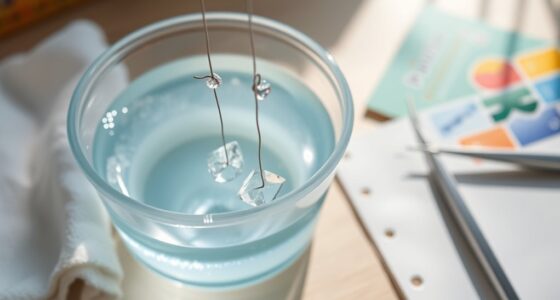
Once you’ve mashed the strawberries and mixed them with your extraction solution, you need to filter the mixture to remove solid particles. Then, you add cold alcohol—such as isopropyl or ethanol—slowly down the side of the container. The alcohol causes the DNA to precipitate out of the solution, forming visible, wispy strands that resemble white filaments. This step demonstrates how DNA can be isolated in a purified form, which is essential for various scientific applications like genetic modification. In genetic modification, scientists alter an organism’s DNA to give it new traits, such as pest resistance or improved nutrition. The ability to isolate and analyze DNA is fundamental to this process and to DNA sequencing, which determines the exact order of bases in a DNA molecule.
Frequently Asked Questions
Can I Extract DNA From Other Fruits at Home?
Yes, you can extract DNA from other fruits at home. Just consider the fruit’s pH, as more acidic fruits like kiwis or bananas work well for DNA extraction. Be cautious about extraction safety—use gloves and work in a well-ventilated area. Follow a simple protocol, and you’ll successfully see DNA strands. Remember, each fruit might need slight adjustments to the process for the best results.
How Long Does the DNA Extraction Process Take?
Think of it like a race against time—your DNA extraction typically takes about 15 to 30 minutes. During this process, you want to prevent DNA degradation to guarantee high extraction efficiency. If you hurry, you risk breaking down the DNA, but rushing too much can cause contamination. Staying attentive and following the steps carefully will help you get the best results in the shortest time.
Is Special Equipment Needed for Extracting Strawberry DNA?
No, you don’t need special equipment for DIY techniques to extract strawberry DNA. You can use common household items like dish soap, salt, and alcohol. Just make sure to follow safety precautions, such as wearing gloves and working in a well-ventilated area. These simple tools and safety steps help you safely discover the fascinating DNA strands without any complex or expensive gear.
Can I Store the Extracted DNA for Future Use?
Think of your extracted DNA as a delicate treasure chest that needs careful protection. Yes, you can store the DNA for future use by placing it in a clean, airtight container like a microcentrifuge tube or small glass vial. To guarantee long-term DNA preservation, keep it in a refrigerator or freezer, avoiding repeated thawing and refreezing, which can degrade the genetic material over time.
What Are Common Mistakes to Avoid During Extraction?
To avoid mistakes during DNA extraction, focus on contamination prevention by thoroughly cleaning your tools and workspace. Make certain you use fresh reagents and handle samples carefully to improve extraction efficiency. Avoid overmixing, which can shear DNA, and don’t rush the process; patience helps maintain sample integrity. Double-check measurements and follow the protocol closely to prevent errors, guaranteeing a successful extraction with high-quality DNA for your needs.
Conclusion
So, next time you mash strawberries and see that gooey DNA, remember it’s real, not just a myth. Some believe strawberries’ unique genetics make DNA easier to extract, but it’s actually their high cell count and soft tissue that do the trick. Whether or not that theory’s true, you’ve successfully pulled out DNA at home. It’s a fun, simple science experiment—proof that you don’t need fancy labs to explore the tiny building blocks of life.