TL;DR
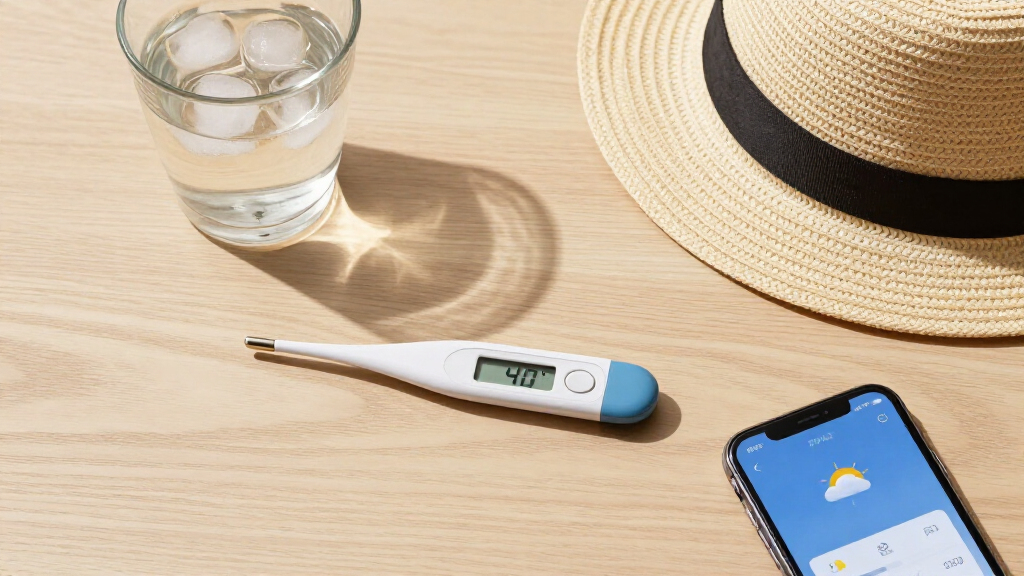
Seoul has recorded a temperature of 40.1°C, the highest in eight years, as a severe heatwave persists. This development challenges traditional weather markers like ‘Ipchu’ and highlights the ongoing climate crisis.
Seoul experienced its highest temperature in eight years, reaching 40.1°C on July 24, 2024, as a persistent heatwave continues across the Korean Peninsula. This marks the first time since 2016 that the city has hit such extreme heat levels, making traditional seasonal markers like ‘Ipchu’ largely irrelevant amid the unprecedented conditions.
The Korea Meteorological Administration (KMA) confirmed that Seoul’s temperature peaked at 40.1°C at 3 p.m. local time, breaking the previous record of 39.6°C set in 2016. This high temperature has prompted heat advisories across the region, with authorities advising residents to stay hydrated and limit outdoor activities during peak hours.
Experts attribute the high temperatures to persistent atmospheric conditions and climate change-related patterns, which have contributed to more frequent and intense heatwaves. The Seoul Metropolitan Government has implemented measures such as opening cooling centers and advising on outdoor work adjustments.
Impact of Record-Breaking Heat on Seoul’s Climate and Society
The record temperature highlights the increasing occurrence of extreme weather events and underscores the importance of developing strategies for climate resilience in urban areas. It also raises questions about the relevance of traditional seasonal markers like ‘Ipchu,’ which are based on lunar calendar calculations and are less applicable during such conditions. The event emphasizes the importance of ongoing adaptation efforts in response to climate change.

PlayHot Portable Handheld Turbo Fan, Travel Essentials, Gifts for Women/Men
- Turbo Cooling Power: 13,550 RPM brushless motor with aerodynamic blades
- Adjustable Airflow: Five-speed levels for customized cooling
- Long Battery Life: Up to 12 hours of use on a single charge
As an affiliate, we earn on qualifying purchases.
As an affiliate, we earn on qualifying purchases.
Historical Temperatures and Changing Weather Patterns in Seoul
Seoul’s temperature has rarely exceeded 40°C in recorded history, with the last occurrence in 2016. Over recent years, climate patterns have shifted, with more frequent and intense heatwaves during summer months. The traditional marker ‘Ipchu,’ which signals the start of summer around July 7, has become less relevant as temperatures surpass historical norms.
Scientists warn that such extreme weather events are likely to become more common due to global warming, emphasizing the need for urban planning and climate adaptation measures.
“Seoul’s temperature reached 40.1°C at 3 p.m., the highest in eight years, indicating an intensification of the ongoing heatwave.”
— Korea Meteorological Administration
As an affiliate, we earn on qualifying purchases.
Unclear Long-Term Effects of the Heatwave on Seoul’s Climate
While the temperature record has been confirmed, the long-term impacts of this heatwave on Seoul’s climate patterns and infrastructure are still being studied. It remains uncertain how frequently such extreme temperatures will occur in the future or how urban systems will adapt over time.

Brita Hard-Sided Plastic Premium Filtering Water Bottle, BPA-Free, Reusable, Replaces 300 Plastic Water Bottles, Filter Lasts 2 Months or 40 Gallons, Includes 1 Filter, Blush – 26 oz
- Capacity: 26 oz.
- Material: BPA-free plastic
- Filter Life: Lasts 2 months or 40 gallons
As an affiliate, we earn on qualifying purchases.
As an affiliate, we earn on qualifying purchases.
Monitoring and Preparing for Future Heat Events in Seoul
Authorities are expected to continue monitoring temperature trends and implement emergency measures as necessary. Experts recommend residents remain cautious, and policymakers may focus on climate resilience planning to address future heat risks.
As an affiliate, we earn on qualifying purchases.
Key Questions
How often has Seoul reached 40°C before?
Seoul has only recorded temperatures of 40°C or higher once before, in 2016, making this the second occurrence in recent history.
What is ‘Ipchu’ and why is it considered less relevant now?
‘Ipchu’ is a traditional lunar calendar marker indicating the start of summer, usually around July 7. Due to rising temperatures, it no longer accurately reflects seasonal changes, especially during extreme heatwaves like this one.
What measures are authorities taking to address the heatwave?
Local governments have issued heat advisories, opened cooling centers, suspended outdoor work, and advised residents to stay hydrated and avoid outdoor activities during peak heat hours.
Could this record be broken again soon?
Climate experts suggest that with ongoing climate change, such extreme temperatures could become more frequent, but specific predictions remain uncertain.
Source: local