
TL;DR
Canada is experiencing its most intense wildfire season in 2026, with hundreds of fires burning across multiple provinces. Authorities confirm significant wildfires, but the full extent and impact are still developing. This event raises concerns about climate change, air quality, and emergency response efforts.
Canadian authorities have confirmed that 2026 has seen the most severe wildfire season in the country’s history, with hundreds of fires burning across provinces including British Columbia, Alberta, and Quebec. This event raises concerns about climate change. The fires are causing widespread evacuations, damaging communities, and significantly impacting air quality nationwide. For more on wildfire safety and preparedness, see our guide on fire risk management.
The Canadian Forest Service reports that as of April 2026, over 1,200 active wildfires are burning across the country, a sharp increase compared to previous years. The most affected regions include British Columbia, where over 500 fires are ongoing, and Alberta, with more than 300 active fires. Authorities have issued numerous evacuation orders, and firefighting efforts involve thousands of personnel and aircraft. Learn more about wildfire response strategies.
Officials attribute the severity partly to prolonged drought conditions, higher temperatures, and earlier onset of fire season, factors linked to changing climate patterns. The government has declared a state of emergency in several provinces, and the Canadian military has been mobilized to support firefighting efforts.
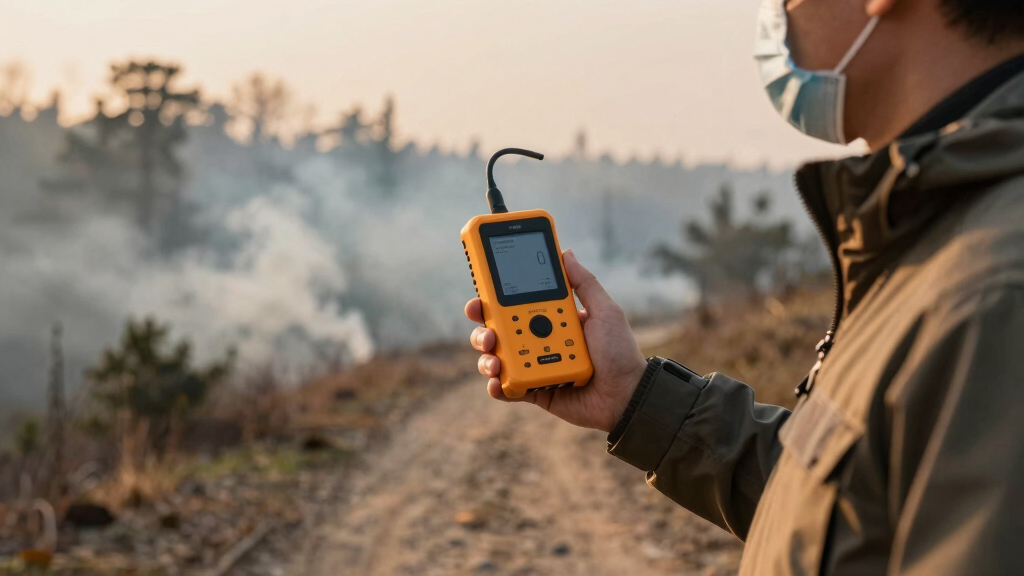
Health officials warn that smoke from the fires has already led to increased air pollution levels, with the Air Quality Index reaching hazardous levels in some urban centers, including Toronto and Montreal. The impacts on residents’ health and the environment are still being assessed.
Impacts on Public Health and Climate Policy
This record wildfire season underscores the growing threat of climate change and its tangible effects on Canadian ecosystems and communities. The widespread fires are straining emergency resources and raising concerns about long-term environmental damage. The event is prompting renewed calls for policy measures to address climate resilience and forest management, emphasizing the urgent need for adaptation strategies.
As an affiliate, we earn on qualifying purchases.
Previous Wildfire Trends and Climate Links in Canada
Canada has experienced increasingly severe wildfire seasons over the past decade, with 2021 and 2022 marked by particularly destructive fires. Experts have linked these trends to rising average temperatures, prolonged droughts, and changing precipitation patterns. The 2026 season is now considered the most intense on record, aligning with global climate change projections.
Historically, wildfire management has focused on suppression and prevention, but experts suggest that adapting to the new normal requires integrating climate resilience into forest policies and community planning. The current season’s severity highlights the urgency of these measures.
“The fires are a stark reminder of the impacts of climate change, and we must accelerate our efforts to reduce emissions and build resilience.”
— Environment Minister
As an affiliate, we earn on qualifying purchases.
Extent of Long-Term Environmental and Health Impact
While firefighting efforts are ongoing, the full extent of environmental damage, health impacts, and economic costs remains unclear. The long-term effects on ecosystems and air quality are still being studied, and the situation continues to evolve as fires are contained or spread.
As an affiliate, we earn on qualifying purchases.
Upcoming Firefighting Operations and Policy Responses
Authorities plan to intensify firefighting operations in the coming weeks, with additional resources and possibly new restrictions on land use. The government is also expected to review and potentially strengthen wildfire management policies and climate adaptation strategies in response to this unprecedented season.
As an affiliate, we earn on qualifying purchases.
Key Questions
How many wildfires are currently active in Canada?
As of April 2026, over 1,200 wildfires are active across Canada, with the highest numbers in British Columbia and Alberta.
What regions are most affected by the wildfires?
British Columbia, Alberta, and Quebec are the most affected regions, experiencing numerous large-scale fires and evacuations.
What are the health risks associated with the fires?
Smoke from the wildfires has led to hazardous air quality levels in several urban centers, posing respiratory health risks, especially for vulnerable populations.
What measures are being taken to fight the fires?
Firefighting efforts include thousands of personnel, aircraft, and equipment, with additional support from the Canadian military and emergency services.
Will climate change policies change as a result of this season?
Government officials have indicated that this season highlights the need for stronger climate policies and resilience planning, though specific policy changes are still under discussion.
Source: google-trends