
TL;DR

Prime made for students and young adults
- Fast, free delivery for dorm and study essentials
- Prime Video and Amazon Music included
- Member-only deals
Archaeologists have recovered woolly mammoth bones from the Danube River, providing new insights into prehistoric animal distributions. The discovery is confirmed but further analysis is ongoing.
Archaeologists have confirmed the discovery of woolly mammoth bones in the Danube River, a find that sheds light on the region’s prehistoric megafauna. This discovery is significant for understanding Ice Age animal distributions and climate history in Europe, and it has attracted scientific interest.
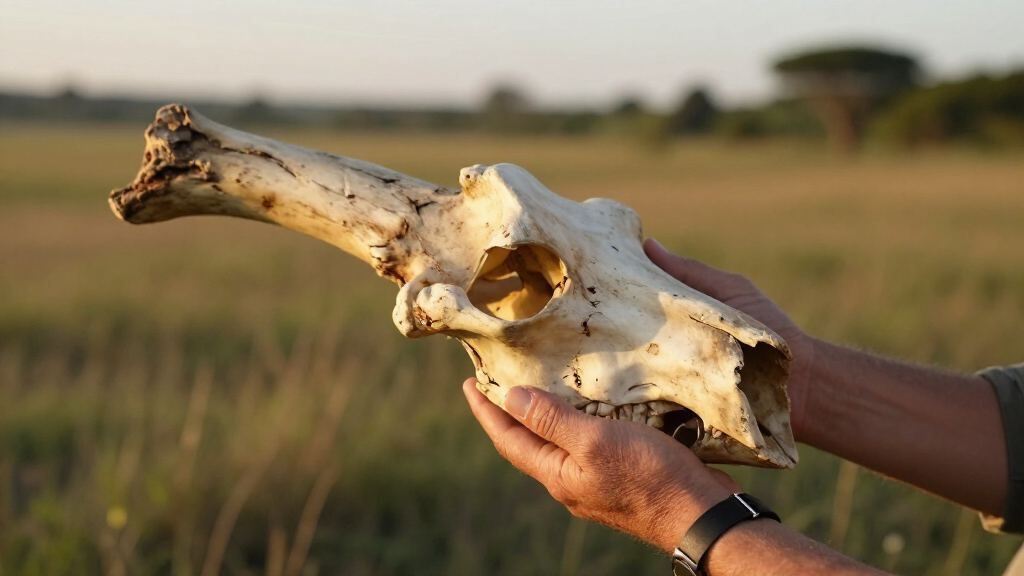
The bones were recovered during a recent excavation conducted by a team of paleontologists working along the Danube River in Romania. The team reports that the bones are well-preserved and include parts of the skull, tusks, and limb bones, dating back approximately 20,000 to 30,000 years.
According to Dr. Elena Popescu, lead researcher from the Romanian National Museum of Natural History, ‘The bones are consistent with woolly mammoth remains, and their preservation suggests they were deposited in the riverbed during the late Pleistocene epoch.’ The team is now conducting radiocarbon dating and DNA analysis to confirm the species and age of the bones.
While the find is confirmed by the research team, details about the exact location and the extent of the deposit are still being studied. No other bones or artifacts have been recovered from the site at this stage.
Implications for Ice Age European Ecosystems
This discovery provides direct evidence that woolly mammoths once inhabited the Danube region, expanding the known range of these animals in Europe. It could help scientists better understand migration patterns, climate adaptation, and extinction processes of megafauna during the Ice Age. The find also offers potential insights into paleoenvironmental conditions and human-animal interactions in prehistoric Europe.
As an affiliate, we earn on qualifying purchases.
Recent Paleontological Finds in the Danube Region
The Danube River has yielded several important paleontological discoveries over recent years, including remains of other Ice Age animals such as cave bears and steppe bison. Historically, the region’s fossil record has been limited, but recent surveys have increased the likelihood of uncovering further prehistoric remains.
This particular find follows a series of discoveries along the Danube, which is considered a key corridor for studying migration routes of ancient megafauna. The bones’ preservation suggests rapid burial in river sediments, which has helped protect them from decay.
As an affiliate, we earn on qualifying purchases.
Details of the Bone Deposit and Species Confirmation Pending
While the bones are confirmed to be from woolly mammoths, the exact location of the deposit within the riverbed, the full extent of the remains, and the precise dating results are still under analysis. It is not yet clear whether the bones belonged to a single individual or multiple animals, nor whether they were deposited naturally or as a result of human activity.
As an affiliate, we earn on qualifying purchases.
Ongoing Analysis and Future Excavations in the Danube
The research team plans to conduct detailed radiocarbon dating, DNA sequencing, and possibly further excavations to better understand the context of the find. They aim to publish initial findings within the next few months and are exploring the possibility of discovering more remains in the surrounding area.
Additional surveys along the Danube are expected to continue, with the goal of uncovering more evidence of prehistoric megafauna and understanding regional paleoecology during the Ice Age.
As an affiliate, we earn on qualifying purchases.
Key Questions
How old are the mammoth bones found in the Danube?
Preliminary dating suggests they are approximately 20,000 to 30,000 years old, but final results are pending.
What significance does this discovery have for understanding Ice Age Europe?
The find confirms that woolly mammoths inhabited the Danube region, helping scientists map migration routes and ecological conditions during the Pleistocene epoch.
Are there plans to find more fossils in the area?
Yes, researchers plan further excavations and surveys along the Danube River to uncover additional remains and gather more data.
Could this discovery be linked to human activity?
It is currently unknown whether humans interacted with these mammoths or contributed to their death; further analysis is needed to explore this possibility.
Source: google-trends
Fall Picks
fall essentials
As an affiliate, we earn on qualifying purchases.