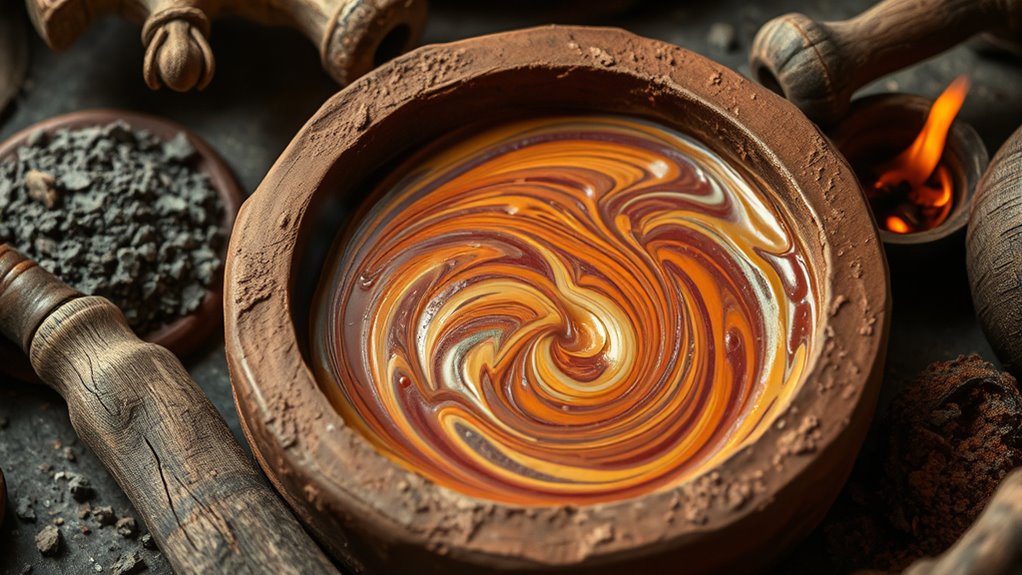

The history of soapmaking spans thousands of years, beginning in ancient Mesopotamia, where early civilizations used fats and ashes for cleaning. Over time, techniques improved with cultures like the Egyptians, Romans, and Europeans refining recipes and adding scents. Modern methods now involve controlled processes, chemical reactions, and innovative ingredients. This evolution reflects humanity’s ongoing effort to enhance hygiene and craft better soaps. Want to discover how these ancient practices connect to today’s soap innovations?

Prime made for students and young adults
- Fast, free delivery for dorm and study essentials
- Prime Video and Amazon Music included
- Member-only deals
Key Takeaways
- Soapmaking originated in ancient Mesopotamia around 2000 BCE using animal fats and mineral ashes for cleaning.
- Ancient civilizations like Egypt, Greece, and Rome refined techniques with plant oils, herbs, and controlled processes.
- Medieval monasteries improved soap quality through ingredient control, leading to regional variations and trade.
- Modern methods such as cold and hot process techniques introduced greater consistency, fragrances, and added moisturizers.
- The evolution of chemical reactions and innovations has advanced soap’s efficacy, making it a vital hygiene product today.
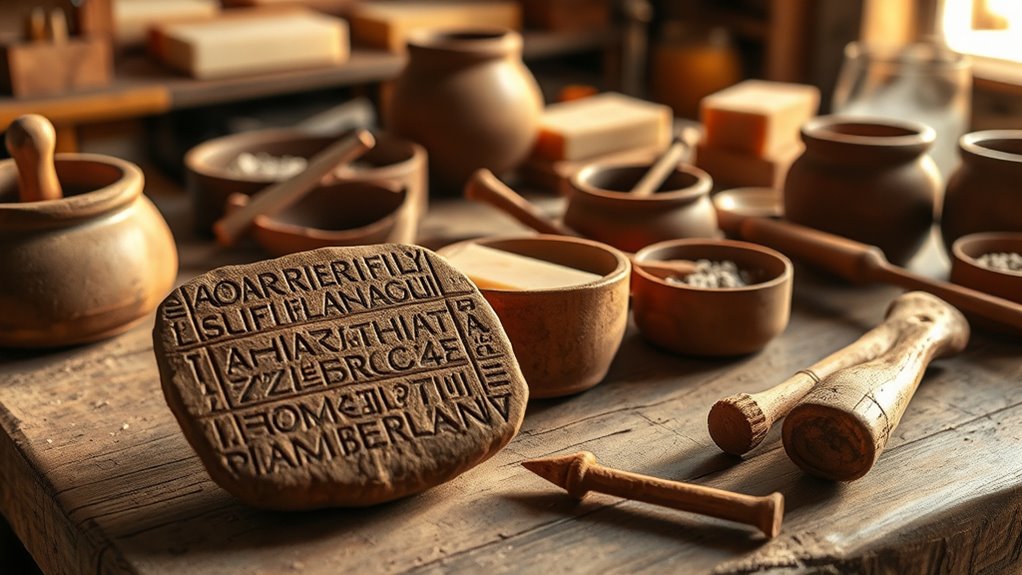
The history of soapmaking dates back thousands of years, reflecting humanity’s enduring need for cleanliness and hygiene. As you explore its origins, you’ll find that early civilizations devised simple yet effective methods to create cleansing agents. Ancient soap recipes typically involved mixing natural ingredients like fats, ashes, and water. In Mesopotamia, around 2000 BCE, people used a mixture of animal fats and mineral ashes to produce a rudimentary soap-like substance. These early recipes were often practical solutions for cleaning textiles or personal hygiene, even if they weren’t as refined as modern soaps.
Ancient civilizations created simple, effective soap using fats, ashes, and water for hygiene and textile cleaning.
The techniques used in ancient soapmaking were straightforward but effective. You might imagine ancient artisans heating fats and adding alkaline substances like wood ash lye, which naturally contains potassium carbonate. This process required patience and skill, as controlling the heat and ingredient proportions determined the quality of the soap. Over time, different civilizations refined these methods. The Egyptians, for example, created a more refined soap using plant oils, such as olive oil, and alkaline salts, which produced a gentler product suitable for bathing and medicinal purposes. Similarly, the Romans improved soapmaking techniques by boiling fats with ashes, producing a product that was both cleansing and durable. The development of fermentation processes in later periods also contributed to the evolution of soap textures and qualities.
Throughout history, soap recipes varied based on locally available resources. In ancient China, soap was often made from plant-based ingredients like herbs and natural oils, reflecting regional botanical knowledge. The Greeks and Romans also developed their own variations, often adding aromatic herbs or perfumes to improve scent and appeal. During the Middle Ages, soapmaking techniques expanded across Europe, with monasteries becoming centers of soap production. They used more controlled processes, refining the ingredients and methods to create a more consistent product. This period saw the emergence of soap as not just a cleaning agent but also a commodity traded across regions.
As you trace the evolution of soapmaking techniques, you’ll notice that innovations like the cold process and hot process methods emerged in the modern era, allowing for more control over ingredients and quality. These advancements paved the way for soap to become a household staple, with recipes evolving from simple, homemade mixtures to complex formulations with added fragrances, moisturizers, and antibacterial agents. The journey from ancient soap recipes to today’s sophisticated products showcases humanity’s ingenuity in improving hygiene. It’s fascinating to see how ancient techniques laid the groundwork for the modern soaps we rely on now, blending tradition with innovation to keep us clean and healthy. The use of chemical reactions in soapmaking marked a significant turning point in the development of effective cleansing products.
As an affiliate, we earn on qualifying purchases.
Frequently Asked Questions
How Did Soapmaking Techniques Evolve During the Middle Ages?
During the Middle Ages, soapmaking techniques advanced through medieval guilds that standardized recipes and processes, ensuring quality. You’d find that soap preservation methods improved, making soap last longer and stay fresh. Guild members shared knowledge and refined techniques, like using specific fats and alkalis, which enhanced soap durability. These innovations allowed soap to become more reliable and accessible, shaping the foundation for modern soapmaking practices.
What Role Did Soap Play in Ancient Trade Routes?
You see, soap played a crucial role in ancient trade routes by facilitating soap distribution across civilizations. Traders transported soap along these routes, which helped spread hygiene practices and boosted commerce. As a result, soap became a valuable commodity, fostering cultural exchanges and improving public health. Your understanding of ancient trade routes reveals how soap’s journey influenced societies, connecting distant regions through the shared importance of cleanliness.
When Did Soap Become Commercially Mass-Produced?
You’ll find that soap became commercially mass-produced in the late 19th century, transforming from a handmade craft into a household staple. As soap marketing and soap branding grew, brands like Ivory and Palmolive emerged, turning soap into familiar symbols of cleanliness. This shift lit a spark of trust and comfort in consumers, making soap not just a product but a daily ritual woven into the fabric of modern life.
How Have Modern Ingredients Changed Traditional Soap Recipes?
Modern ingredients have transformed traditional soap recipes by replacing natural oils with synthetic additives, which can enhance shelf life and lather. You might notice that many commercial soaps now include chemicals like parabens and artificial fragrances, differing from pure, natural oils used in traditional recipes. These changes allow for more consistent production and longer-lasting products but can also impact skin health. Always check ingredient lists to choose soaps aligned with your preferences.
What Are the Environmental Impacts of Soap Manufacturing Today?
Like a double-edged sword, soap manufacturing today impacts the environment. You might notice eco-friendly ingredients reducing pollution, but the process still consumes energy and produces waste. Choosing sustainable packaging helps lessen plastic waste, yet some ingredients and production methods can harm ecosystems. To minimize your footprint, opt for brands committed to eco-friendly practices, supporting a cleaner planet where soap’s benefits don’t come at nature’s expense.
As an affiliate, we earn on qualifying purchases.
Conclusion
Now that you’ve journeyed through the ages of soapmaking, it’s clear that this craft has stood the test of time. From ancient Mesopotamia to modern kitchens, soap has evolved but still plays a crucial role in everyday life. Remember, the history of soap is a proof to human ingenuity—showing that even something as simple as soap can have a rich story. So, enjoy your clean slate and keep the tradition alive!
cold process soap making supplies
As an affiliate, we earn on qualifying purchases.
As an affiliate, we earn on qualifying purchases.
As an affiliate, we earn on qualifying purchases.
Evergreen bestsellers Picks
bestsellers
As an affiliate, we earn on qualifying purchases.