
TL;DR

Prime made for students and young adults
- Fast, free delivery for dorm and study essentials
- Prime Video and Amazon Music included
- Member-only deals
The lunar eclipse will be visible tonight with the peak occurring around 11:30 PM Eastern Time. This event offers a rare viewing opportunity for skywatchers across the U.S. and other regions. Exact timing varies by location.
The lunar eclipse will be visible across many parts of the United States tonight, with the peak occurring around 11:30 PM Eastern Time. Find out what time is the eclipse tomorrow. This astronomical event, when the Earth’s shadow covers the moon, creates a distinctive blood-red appearance. The timing and visibility depend on the viewer’s location, but many skywatchers will have an opportunity to observe the eclipse in its full or partial phases. If you’re curious about upcoming celestial events, check what time is the eclipse tomorrow.
The lunar eclipse is expected to begin around 9:30 PM ET, with the penumbral phase starting first, followed by the partial eclipse at approximately 10:30 PM ET. The total eclipse, when the moon turns a deep red, is predicted to reach its peak at approximately 11:30 PM ET. The entire event will conclude by about 1:00 AM ET. Viewers in the Eastern and Central time zones will have the best chances to see the full eclipse, while those in Mountain and Pacific zones may see only parts of the event, depending on local weather conditions and horizon clarity.
According to NASA’s eclipse schedule, this is a total lunar eclipse, often called a ‘blood moon’ because of the reddish hue that appears during totality. For more details, see what time is the eclipse tomorrow. The eclipse duration from start to finish is approximately 3.5 hours, making it a significant event for astronomers and casual skywatchers alike.
Why Tonight’s Lunar Eclipse Is a Major Skywatching Event
This lunar eclipse is significant because it offers a rare opportunity for viewers to witness a total lunar eclipse, which occurs approximately once every 2.5 years. The event’s visibility across large parts of the U.S. makes it accessible to many amateur astronomers and the general public. Such events also provide educational opportunities, encouraging interest in astronomy and space sciences. Additionally, the eclipse’s timing coincides with clear weather forecasts in many regions, increasing the likelihood of good viewing conditions.
For scientists, lunar eclipses are valuable for studying the Earth’s atmosphere, as the reddish hue results from sunlight filtering through the Earth’s atmosphere and illuminating the moon. This particular eclipse is also part of a series known as a tetrad, with four total lunar eclipses spaced over two years, which has drawn additional attention from astronomers and eclipse enthusiasts worldwide.
As an affiliate, we earn on qualifying purchases.
Recent and Upcoming Lunar Eclipses Explained
This eclipse is part of a series that began with the lunar eclipse on May 16, 2022, and will be followed by others in the coming years. The last total lunar eclipse visible in the U.S. occurred in May 2022, and the next one is expected in May 2025. The current eclipse is classified as a ‘blood moon’ because of the deep red coloration during totality, a phenomenon caused by sunlight passing through Earth’s atmosphere and casting a reddish glow onto the moon.
Historically, lunar eclipses have been observed and recorded for thousands of years, often regarded as significant cultural events. Modern astronomy has detailed the precise timings and mechanics of these events, allowing astronomers to predict them accurately. Tonight’s eclipse is a scheduled event, with NASA and other space agencies providing live streams and detailed timing information for viewers worldwide.
“I’ve been waiting for this eclipse for months. The peak around 11:30 PM ET should give a stunning view of the blood moon if the skies are clear.”
— Amateur astronomer James Carter
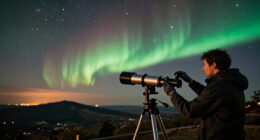
moon phase telescope for lunar eclipse
As an affiliate, we earn on qualifying purchases.
As an affiliate, we earn on qualifying purchases.
Weather Conditions and Visibility Uncertainties Tonight
While the timing of the eclipse is well-established, visibility will depend on local weather conditions. Cloud cover, fog, or light pollution could obscure the view in some areas. Weather forecasts for tonight predict clear skies in the central and eastern U.S., but some regions may experience clouds or rain, which could hinder observation.
Additionally, the exact visibility of the partial phases may vary depending on the viewer’s horizon and local obstructions. It is recommended to check local weather updates and find a dark, unobstructed location for the best viewing experience.
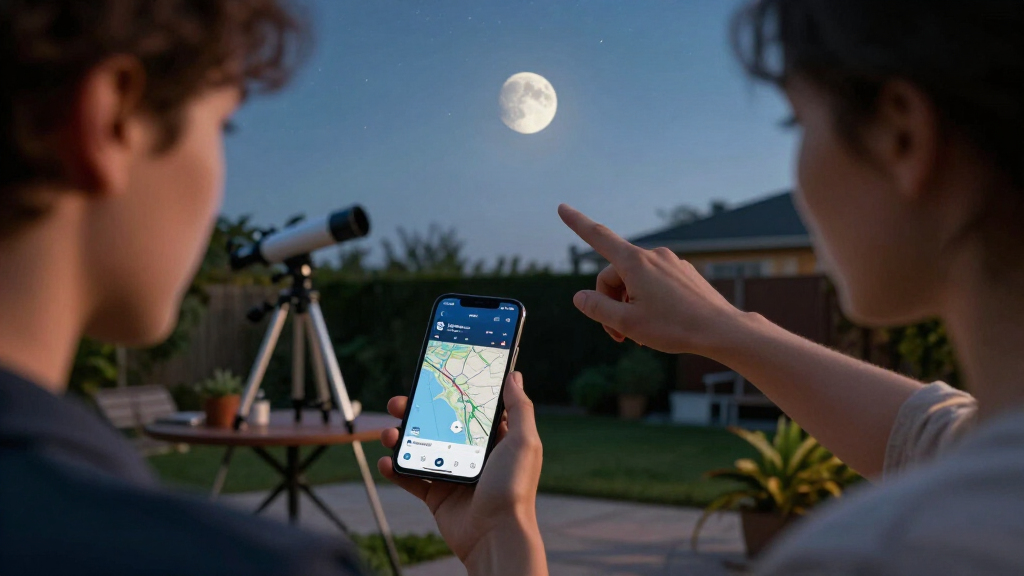
night sky binoculars for astronomy
As an affiliate, we earn on qualifying purchases.
As an affiliate, we earn on qualifying purchases.
Upcoming Lunar Eclipses and How to Watch
The next total lunar eclipse visible in the U.S. is expected on May 16, 2025. For those unable to see tonight’s event, live streams from NASA and astronomy organizations will be available online, providing a detailed view of the eclipse’s phases. Many observatories and science centers will also host viewing events, either in person or virtually.
Experts advise viewers to arrive at their viewing spots early, ensure clear line of sight, and have binoculars or telescopes ready if available. Following tonight’s eclipse, enthusiasts can mark their calendars for future events, including the upcoming tetrad of lunar eclipses.
As an affiliate, we earn on qualifying purchases.
Key Questions
What time does the lunar eclipse start tonight?
The eclipse begins around 9:30 PM Eastern Time, with the total phase peaking at approximately 11:30 PM ET. Exact times vary by location.
Will I be able to see the full eclipse from my location?
Visibility depends on your geographic location and local weather. The eastern U.S. will likely see most phases, while the west may see only part of the event. Check local weather forecasts and horizon conditions for the best experience.
Can I view the eclipse with binoculars or a telescope?
Yes, binoculars or a telescope can enhance the viewing experience, allowing you to see more detail and the blood-red color during totality. However, even with the naked eye, the eclipse will be visible and striking.
Is this eclipse safe to watch without eye protection?
Yes. Unlike solar eclipses, lunar eclipses are safe to observe with the naked eye without any protective gear.
Will there be live streams of the eclipse?
Yes, NASA and various astronomy organizations will broadcast the event live online, providing views from multiple locations and expert commentary.
Source: google-trends
Halloween Picks
halloween
As an affiliate, we earn on qualifying purchases.


![The early History of the Singular Value Decomposition (1993) [pdf]](https://varietychem.com/wp-content/uploads/2026/07/the-early-history-of-the-singular-value-decomposition-1993-pdf-featured-560x300.jpg)