
Abscisic acid (ABA) plays a vital role in helping plants handle stress and control seed dormancy. When conditions turn harsh, like during drought or extreme temperatures, ABA increases to trigger protective responses, such as closing stomata to conserve water and activating stress-related pathways. It also prevents seeds from sprouting prematurely, ensuring they only grow when conditions are right. To discover more about how ABA supports plant resilience, keep exploring further details applied to plant survival strategies.
Key Takeaways
- ABA increases during environmental stress, activating protective responses like antioxidant production.
- It regulates seed dormancy, preventing germination until conditions are favorable.
- ABA promotes stomatal closure, conserving water during drought conditions.
- It triggers stress-response pathways, aiding plant survival in harsh environments.
- ABA is essential for plant resilience, balancing growth and resource conservation under stress.

Have you ever wondered how plants respond to stress and regulate their growth? One key player in this process is abscisic acid (ABA), a plant hormone that helps plants survive tough conditions. When environmental stress hits, like drought or extreme temperatures, ABA levels increase, triggering a series of protective responses. This hormone is essential for managing seed dormancy, ensuring that seeds don’t sprout prematurely during unfavorable conditions. Instead of growing immediately, seeds stay dormant until the environment becomes suitable for germination. This ability to pause growth is fundamental for seed survival, especially in unpredictable climates. By promoting seed dormancy, ABA helps plants delay germination until conditions improve, increasing the chances of seedling survival and ensuring the species’ continuation.
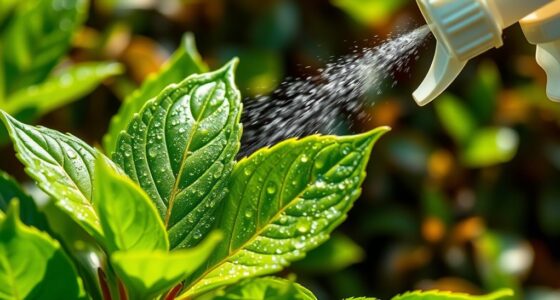
In addition to controlling seed dormancy, ABA plays a significant role in drought resistance. When water becomes scarce, plants ramp up ABA production, which signals their roots and leaves to conserve moisture. You might notice that during drought, plants close their stomata—tiny pores on leaf surfaces—to reduce water loss. This response is directly mediated by ABA, which prompts guard cells to close the stomata tightly. By doing so, the plant minimizes dehydration and preserves internal water reserves. This mechanism doesn’t just help individual plants survive drought; it also influences overall plant health and productivity during dry spells. Without ABA’s regulation, plants would be much more vulnerable to water stress, likely leading to wilting, reduced growth, or death.
The role of ABA extends beyond just managing water and seed dormancy. It also helps plants activate other stress-response pathways, like producing protective proteins and antioxidants, which shield cells from damage. When you see plants thriving in harsh environments, it’s often because ABA has orchestrated these complex responses. Its ability to regulate growth and conserve resources makes it a fundamental hormone for plant resilience. Whether during seed development or in mature plants facing drought stress, ABA acts as a molecular safeguard, helping plants adapt and survive in the face of environmental challenges. Understanding how ABA functions gives you insight into how plants manage to endure and flourish amid adversity, highlighting the incredible ways they have evolved to cope with stress.
Frequently Asked Questions
How Does Abscisic Acid Interact With Other Plant Hormones?
You see that abscisic acid interacts with other plant hormones through hormonal crosstalk, allowing for complex signal integration. It often works with hormones like auxins, gibberellins, and cytokinins to coordinate responses such as stress tolerance and dormancy. By modulating these interactions, abscisic acid helps plants adapt to environmental changes efficiently, ensuring proper growth and survival during stressful conditions.
Can Abscisic Acid Be Used to Improve Crop Drought Tolerance?
Think of abscisic acid as the plant’s internal life raft during droughts. You can use genetic engineering to boost its levels or enhance stress signaling pathways, helping crops better withstand water shortages. This hormone acts like a vigilant sentinel, triggering protective responses that conserve water and maintain essential functions. Applying this knowledge could turn your crops into resilient warriors, thriving even in the harshest, driest conditions.
What Are the Genetic Factors Influencing Abscisic Acid Production?
You should know that genetic regulation plays a vital role in controlling abscisic acid production, mainly through variations in biosynthesis pathways. Genes involved in enzymes like NCED and AAO influence how much abscisic acid your plants produce, especially under stress. These genetic factors determine the efficiency of biosynthesis, impacting the plant’s ability to respond to drought and other stresses, which can be harnessed for crop improvement.
How Is Abscisic Acid Applied in Agricultural Practices?
Applying abscisic acid in agriculture enhances plant resilience and regulates growth. You can spray it as a foliar spray to boost stress tolerance or treat seeds with it to promote dormancy and improve germination. These targeted treatments help crops withstand drought, pests, and diseases. By carefully managing application timing and dosage, you optimize plant performance, ensuring healthier harvests and more sustainable farming practices.
Are There Any Environmental Risks Associated With Manipulating Abscisic Acid Levels?
Manipulating abscisic acid levels can pose environmental risks by disrupting ecological balance. You might unintentionally affect non-target plants or microorganisms, leading to changes in local biodiversity. These alterations could impact soil health and water quality, ultimately harming ecosystems. To minimize environmental impact, it is crucial to carefully monitor and regulate abscisic acid applications, ensuring that ecological balance remains intact and that unintended consequences are avoided.
Conclusion
You now know that abscisic acid plays a vital role in helping plants respond to stress and enter dormancy. Notably, studies show that in drought conditions, plants can increase abscisic acid production by up to 1000%, enabling them to conserve water and survive. Understanding this hormone’s functions can help you appreciate how plants adapt to challenging environments and may even guide future agricultural innovations. Keep exploring how plant hormones shape the resilience of the natural world.