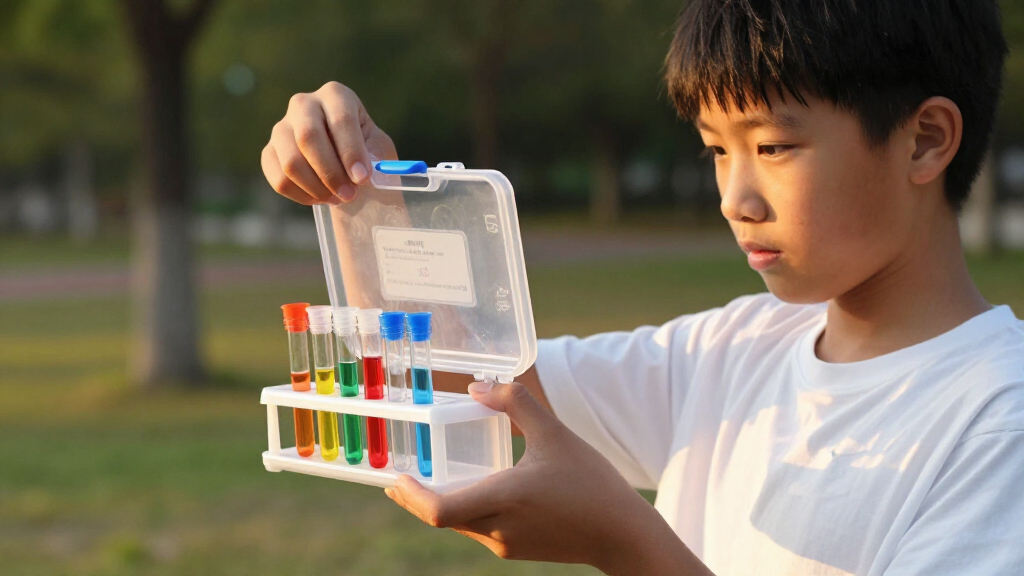

Finding the right science educational kit for students depends on age, skill level, and specific interests. The Evviva Sciences Microbiology Science Project Kit stands out as the best overall for its comprehensive microbiology experiments. The National Geographic Microscope for Kids and UNGILINGA 150 Experiments Kit offer excellent options for beginners and young learners. Choosing the ideal kit involves balancing complexity, cost, and educational value, with tradeoffs between hands-on engagement and set scope. Keep reading for a detailed breakdown to help you select the best fit for your student’s curiosity and learning goals.
Key Takeaways
- The top kits blend hands-on experiments with accessible instructions, making science engaging for various age groups.
- Higher-quality microscopes and chemistry sets tend to cost more but offer greater durability and scientific accuracy.
- Starter kits focus on simplicity and fun, but advanced options provide more in-depth learning and experimentation.
- Versatility in activities and included materials often correlates with higher educational value and long-term use.
- Budget constraints influence whether a kit emphasizes breadth of experiments or specialized, high-quality tools.
| Evviva Sciences Microbiology Science Project Kit with Pre-Poured Agar Plates |  | Best for Advanced Microbiology Learning | Number of agar plates: 10 | Includes: cotton tipped sticks, pipette, plastic vial, experiment eBook | Age recommendation: 15+ | VIEW LATEST PRICE | See Our Full Breakdown |
| National Geographic Microscope for Kids with Up to 400x Magnification, STEM Science Kit with Slides and Specimens |  | Best for Entry-Level Visual Exploration | Magnification: up to 400x | Includes: prepared slides, rocks, minerals, blank slides, pipette, specimen dish, tweezers, lab guide | Age Range: 6+ | VIEW LATEST PRICE | See Our Full Breakdown |
| STEM Electric Circuit Kits – 8 Experiments in 7 Sets for Beginners |  | Best for Electrical Science Exploration | Number of Experiments: 8 | Number of Sets: 7 | Recommended Age: 8+ | VIEW LATEST PRICE | See Our Full Breakdown |
| National Geographic Earth Science Kit with 100+ Activities for Kids 8-12 | 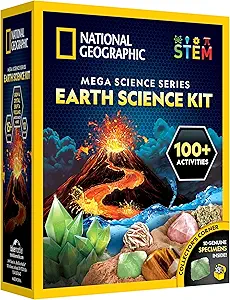 | Best for Earth Science Enthusiasts | Number of Activities: 100+ | Recommended Age: 8-12 | Includes: Crystal Growing, Volcano Experiments, Rock Collection, Geologic Dig Kits | VIEW LATEST PRICE | See Our Full Breakdown |
| 58-Piece Kids Microscope Kit – 100X-1200X Magnification, Metal Body, LED Light, Carrying Box |  | Best for Flexible and Detailed Observation | Magnification: 100X-1200X | Light Source: LED | Enclosure Material: Metal, Plastic | VIEW LATEST PRICE | See Our Full Breakdown |
| Structural Engineering: Bridges & Skyscrapers Science & Engineering Kit |  | Best for Intermediate Hands-On Learning | Number of Models: 20 | Building Pieces: 285+ | Manual Pages: 36 | VIEW LATEST PRICE | See Our Full Breakdown |
| LINKTOR Chemistry Molecular Model Kit (444 Pieces) for Educational Use |  | Best for Visualizing Molecular Structures | Number of Pieces: 444 | Included Atoms: 136 | Included Bonds: 158 | VIEW LATEST PRICE | See Our Full Breakdown |
| EXBEPE 406 pcs Chemistry Molecular Model Kit, Organic & Inorganic Molecule Building Set |  | Best for Interactive Chemistry Visualization | Number of atoms: 163 pcs | Number of bonds: 218 pcs | Electronic cloud pieces: 18 pcs | VIEW LATEST PRICE | See Our Full Breakdown |
| UNGILINGA 150 Experiments Science Kits for Kids |  | Best for Wide-Ranging Kids’ STEM Engagement | Number of Experiments: 150 | Suitable for: Kids | Educational Focus: STEM, Science, Hands-on Learning | VIEW LATEST PRICE | See Our Full Breakdown |
| Carson Dellosa STEM Challenges: Seasonal, Physical, Life, Earth & Space Science Kits for Kids Ages 7-10 |  | Best for Structured Classroom Challenges | Number of Cards: 30 | Dimensions of Each Card: 7¾ inches x 5½ inches | Includes Divider: Yes | VIEW LATEST PRICE | See Our Full Breakdown |
| EUDAX DIY Physics Experiment Model Kit Electromagnetic Materials and Basic Electricity Discovery Circuit |  | Best for Intermediate Hands-On Learning in Electricity and Magnetism | Included Projects: Electromagnet, Magnet Car, Homemade Electromagnet, Simple Circuit, Series Circuit, Parallel Circuit | Intended Use: Educational science projects, classroom learning, student practice | Focus Areas: Electromagnetism, Basic Electricity, Circuit Building | VIEW LATEST PRICE | See Our Full Breakdown |
| EUDAX School Physics Labs Basic Electricity Discovery Circuit and Magnetism Experiment Kits for High School Students |  | Best for Comprehensive High School-Level Electricity and Magnetism Experiments | Items Included: 56 items for Electricity, 21 items for Magnetism, 2 repair tools | Manual: Color page manual | Batteries: Not included (requires 3 AA batteries) | VIEW LATEST PRICE | See Our Full Breakdown |
| EUDAX Fruit Battery Science Experiment Kit for DIY School and Home Teaching, 4-Set |  | Best for Creative, Hands-On Electrical Experiments Using Fruits | Package Includes: 4 copper sheets, 4 zinc sheets, 1 electronic clock, 2 RGB LEDs, 2 Red LEDs, 2 wires with clips, 4 wires | Suitable Fruits: Apples, oranges, potatoes, lemons, tomatoes, cola, pears, pineapples, salt solutions | Recommended Age: Middle school students, under supervision for younger children | VIEW LATEST PRICE | See Our Full Breakdown |
More Details on Our Top Picks
Evviva Sciences Microbiology Science Project Kit with Pre-Poured Agar Plates
This microbiology kit stands out for its convenience and educational depth, featuring pre-poured agar plates that eliminate the mess of pouring your own media. Compared to the National Geographic Microscope Kit, which emphasizes visual exploration, this kit offers hands-on microbiological experimentation, making it ideal for students who already have a basic understanding of microbiology concepts. The included experiment eBook provides step-by-step guidance, fostering independent investigation. However, it’s less suitable for beginners or younger children due to its complexity and age recommendation of 15+. The primary tradeoff is that it demands some prior knowledge to maximize learning, but it rewards students ready to delve deeper into microbiology.
Pros:- Pre-poured agar plates for quick setup
- Includes an educational experiment eBook
- Complete kit with necessary tools
Cons:- Designed for 15+ age group, limiting accessibility for younger students
- Requires basic microbiology knowledge for effective use
Best for: Older students with a background or strong interest in microbiology seeking a comprehensive, ready-to-use experiment setup
Not ideal for: Younger children or beginners without prior microbiology experience, as the kit’s complexity may be overwhelming
- Number of agar plates:10
- Includes:cotton tipped sticks, pipette, plastic vial, experiment eBook
- Age recommendation:15+
- Agar plate type:Pre-poured, nutrient agar
Our verdict“This kit is best suited for older, motivated students ready to explore microbiology in-depth.”
National Geographic Microscope for Kids with Up to 400x Magnification, STEM Science Kit with Slides and Specimens
This microscope is designed to introduce young learners to the world of microscopy with user-friendly features like large focus knobs, adjustable magnification up to 400x, and built-in lighting. It compares favorably to the 58-Piece Kids Microscope Kit by offering a more comprehensive set of specimens and a detailed lab guide, making it ideal for children 6+ who are curious about the microscopic world. While it’s easy to operate, its basic magnification limits exploration of very small objects, and the build quality is somewhat basic, which might affect durability with frequent use. It’s best for beginners who want a straightforward, educational experience rather than professional-grade microscopy. The necessity of adult supervision for younger kids is an important consideration.
Pros:- Easy-to-use with large focus knobs
- Includes a variety of specimens and tools
- Educational and engaging with a detailed lab guide
Cons:- Limited to 400x maximum magnification
- Build quality may be basic and less durable
Best for: Young children and beginners interested in hands-on microscopy with a guided experience
Not ideal for: Older students or those needing higher magnification or more sophisticated equipment for advanced research
- Magnification:up to 400x
- Includes:prepared slides, rocks, minerals, blank slides, pipette, specimen dish, tweezers, lab guide
- Age Range:6+
- Build Quality:Plastic and metal
Our verdict“Ideal for young beginners seeking an accessible, guided introduction to microscopy.”
STEM Electric Circuit Kits – 8 Experiments in 7 Sets for Beginners
This circuit kit makes electrical experimentation accessible with 8 different experiments, such as seawater power generation and fruit batteries, encouraging critical thinking and creativity. Compared with the National Geographic Earth Science Kit, which focuses on earth sciences, this set specializes in electrical concepts, making it perfect for youngsters aged 8+ interested in electricity. The detailed manual provides clear instructions, but the requirement of AA batteries (sold separately) may be inconvenient for some users. Additionally, some experiments might need adult supervision, especially for younger children, to ensure safety and proper handling. Nonetheless, this kit offers a hands-on way to understand basic electrical principles, with the tradeoff being some setup complexity.
Pros:- Includes a variety of experiment materials
- Step-by-step instructions promote critical thinking
- Encourages creativity in electrical science
Cons:- Batteries are not included
- Some experiments require adult supervision
Best for: Children 8+ eager to explore electrical circuits and develop STEM skills through experimentation
Not ideal for: Younger children or those without adult supervision, due to small parts and need for batteries
- Number of Experiments:8
- Number of Sets:7
- Recommended Age:8+
- Batteries Required:AA (not included)
Our verdict“Best suited for young learners ready to experiment with electrical concepts in a structured way.”
National Geographic Earth Science Kit with 100+ Activities for Kids 8-12
This all-in-one Earth science kit offers a broad range of over 100 activities, including volcano eruptions, crystal growing, and geologic digs, making it ideal for kids aged 8-12 with a strong curiosity about the planet. The full-color, detailed guide enhances understanding and engagement, fostering a hands-on approach to geology and earth sciences. Compared to the STEM Electric Circuit Kit, which emphasizes electricity, this kit provides a more diverse set of experiments across multiple Earth science topics. However, some activities require adult supervision, and it might be overwhelming for children outside the upper end of the age range. This kit makes a compelling choice for those wanting a comprehensive exploration of Earth sciences, though it demands some level of adult involvement.
Pros:- Over 100 engaging activities
- Includes a variety of experiments and materials
- Educational full-color guide
Cons:- Requires adult supervision for some activities
- Could be too advanced for younger kids outside age range
Best for: Children 8-12 with keen interest in geology, volcanology, and Earth processes
Not ideal for: Younger children or those seeking a single-topic, simple experiment set
- Number of Activities:100+
- Recommended Age:8-12
- Includes:Crystal Growing, Volcano Experiments, Rock Collection, Geologic Dig Kits
Our verdict“Perfect for budding geologists ready for a wide-ranging, hands-on exploration of Earth sciences.”
58-Piece Kids Microscope Kit – 100X-1200X Magnification, Metal Body, LED Light, Carrying Box
This microscope kit provides a versatile platform for children to explore the microscopic world, with adjustable magnification from 100X up to 1200X. It compares favorably with the National Geographic Microscope for Kids by offering a wider range of magnification and a durable metal body, making it suitable for more serious exploration at home or in classrooms. The LED illumination ensures clear viewing, and the inclusion of 58 pieces, such as prepared specimens and tools, supports a variety of experiments. However, the need for 2 AA batteries (not included) and some assembly complexity may pose challenges for younger users or less experienced parents. This kit strikes a balance between affordability and detailed observation, ideal for children ready to take their microscopy to the next level.
Pros:- Wide magnification range (100X-1200X)
- Includes comprehensive specimens and tools
- Sturdy metal construction with LED lighting
Cons:- Requires 2 AA batteries (not included)
- Assembly may be challenging for some
Best for: Kids and students interested in detailed, adjustable microscopic observation with a durable build
Not ideal for: Very young children or users seeking a smartphone-compatible microscope with digital features
- Magnification:100X-1200X
- Light Source:LED
- Enclosure Material:Metal, Plastic
- Power Source:Battery (2 AA, not included)
- Item Dimensions:4.6″L x 2.75″W x 8.15″H
- Color:Blue
Our verdict“A solid choice for inquisitive children who want a durable, adjustable microscope for serious exploration.”
Structural Engineering: Bridges & Skyscrapers Science & Engineering Kit
This kit stands out for providing a comprehensive, hands-on approach to understanding structural engineering principles. Compared with the simpler projects of the UNGILINGA experiment kit, it offers more detailed models like bridges and skyscrapers that demonstrate force, tension, and compression. Its 285+ interchangeable pieces and 36-page manual support in-depth exploration, but the complexity makes it better suited for students with some prior experience. The small parts can pose a choking hazard for younger children, and the skill level may challenge beginners. Overall, this kit is ideal for middle schoolers or older students who want a more serious, engineering-focused experience.
Pros:- Provides realistic models demonstrating core engineering principles
- Includes a variety of structures from bridges to skyscrapers
- Detailed manual guides effective, step-by-step experimentation
Cons:- Requires intermediate skill, may frustrate beginners
- Limited to educational use, not for actual construction
- Small parts could be a choking risk for younger kids
Best for: Students with some STEM background seeking advanced structural engineering projects
Not ideal for: Young children or beginners without prior manual dexterity or engineering exposure
- Number of Models:20
- Building Pieces:285+
- Manual Pages:36
- Skill Level:Intermediate
- Awards:Parents’ Choice Gold Award
Our verdict“This kit suits students ready for a challenging, in-depth engineering experience, but may be too complex for complete beginners.”
LINKTOR Chemistry Molecular Model Kit (444 Pieces) for Educational Use
This model kit excels at helping students visualize complex molecules in 3D, making chemistry concepts more tangible compared to the more basic models in the EXBEPE kit. Its 444 pieces, including 136 atoms and 158 bonds, support a wide range of structures suitable from middle school through college. While it provides versatile ball-and-stick and space-filling models, some users may find the small assembly parts challenging, especially younger students. Material quality details are limited, which could affect durability over time. Overall, it’s a solid choice for learners who want to develop spatial understanding of molecules and bonds.
Pros:- Supports a broad educational range with detailed models
- Includes both ball-and-stick and space-filling styles for better visualization
- Enhances understanding of molecular geometry in 3D
Cons:- Assembly of tiny parts can be difficult for some users
- Limited info on material durability for long-term use
Best for: High school and college students studying organic and inorganic chemistry
Not ideal for: Younger children or beginners who might struggle with small, intricate parts
- Number of Pieces:444
- Included Atoms:136
- Included Bonds:158
- Included Parts:150
- Suitable for:Grade 7 to Graduate level
Our verdict“Ideal for serious chemistry students aiming to see molecules in three dimensions, but not suited for casual or very young learners.”
EXBEPE 406 pcs Chemistry Molecular Model Kit, Organic & Inorganic Molecule Building Set
Compared with the LINKTOR kit, the EXBEPE model set offers an extensive variety of components, including electronic cloud and hybridization pieces, which support advanced structural visualization. Its 406 pieces, with 163 atoms and 218 bonds, promote hands-on learning across multiple educational levels, from middle school to college. The inclusion of tools like a wrench adds a layer of interactive functionality. However, assembly can be complex for younger children, and some parts require careful handling. This kit is best suited for students who want to explore chemical structures deeply, but it’s less appropriate for casual users or very young kids.
Pros:- Supports complex, detailed molecular construction
- Includes innovative features like electronic clouds and hybridization components
- Safe, non-toxic plastic materials suitable for educational use
Cons:- Assembly may be challenging for less experienced users
- Parts might be fragile if not handled carefully
Best for: Students seeking a detailed, multi-faceted approach to molecular structures with advanced features
Not ideal for: Younger children or those seeking a simple, quick chemistry project
- Number of atoms:163 pcs
- Number of bonds:218 pcs
- Electronic cloud pieces:18 pcs
- Hybridization components:7 pcs
- Included tools:Wrench
Our verdict“Best for students aiming for a thorough, detailed understanding of molecules, though it may overwhelm beginners.”
UNGILINGA 150 Experiments Science Kits for Kids
Compared to specialized molecular kits, the UNGILINGA kit offers a broad array of 150 experiments across earth science, chemistry, and physics, making it a versatile choice for young learners. Its high-quality tools and easy instructions make science accessible and enjoyable, fostering curiosity. However, some experiments rely on household items, which could introduce variability and require adult supervision. Its focus on variety rather than depth makes it less suitable for older children or those seeking advanced projects, but it excels at sparking initial interest in science for younger kids.
Pros:- Provides a large variety of engaging, accessible experiments
- Includes high-quality tools and materials suitable for kids
- Clear, simple instructions make science fun and approachable
Cons:- Some experiments depend on household materials, affecting consistency
- Limited depth for advanced learners or older students
Best for: Elementary school children and beginners exploring multiple science topics
Not ideal for: Older students or those wanting in-depth, specialized chemistry or physics projects
- Number of Experiments:150
- Suitable for:Kids
- Educational Focus:STEM, Science, Hands-on Learning
- Tools Included:Yes
- Materials Included:Yes
Our verdict“A great starter kit for young children to explore science broadly, though less suited for in-depth or advanced projects.”
Carson Dellosa STEM Challenges: Seasonal, Physical, Life, Earth & Space Science Kits for Kids Ages 7-10
This set is designed to engage elementary students through 30 challenge cards covering a broad spectrum of science topics. Its clear instructions, hints, and materials focus on hands-on activities that promote critical thinking. Compared with the more general experiments in the UNGILINGA kit, these challenges are more structured and classroom-oriented, making them ideal for guided learning. The compact size and included divider make organization straightforward, but activities depend on common household or classroom materials, which might vary in availability. It’s an excellent resource for teachers or homeschoolers looking for organized, topic-specific activities.
Pros:- Provides structured, topic-specific science challenges
- Includes detailed instructions and hints for each activity
- Compact and easy to store, suitable for classroom or homeschool use
Cons:- Requires common household or classroom materials
- Limited to the topics covered on the challenge cards
- Some activities may need adult supervision for safety
Best for: Teachers and homeschoolers seeking structured, curriculum-aligned science challenges for grades 2-5
Not ideal for: Older students or those seeking in-depth scientific exploration beyond activity-based challenges
- Number of Cards:30
- Dimensions of Each Card:7¾ inches x 5½ inches
- Includes Divider:Yes
- Recommended Age:7-10
- Topics Covered:Physical, Life, Earth & Space Science
Our verdict“A practical, organized set of science challenges ideal for classroom or homeschool settings, but not for self-directed older learners.”
EUDAX DIY Physics Experiment Model Kit Electromagnetic Materials and Basic Electricity Discovery Circuit
This kit stands out for its focus on fundamental electromagnetism and circuit-building, making it ideal for students who have already grasped basic concepts and want to deepen their understanding through practical projects. Compared with the more comprehensive high school set, this one offers fewer components but emphasizes core principles with hands-on experiments like electromagnets and simple circuits. However, it requires careful attention to safety measures and might be challenging for younger children due to complex instructions. Its modular approach encourages creative experimentation, but limited component details and age recommendations could restrict its suitability for beginners or very young students. Overall, this pick makes the most sense for middle school students or educators seeking focused, hands-on electromagnetism projects.Pros:- Educational, hands-on exploration of electromagnetism and circuits
- Includes multiple project options for versatile experimentation
- Helps reinforce classroom learning with practical skills
Cons:- Requires careful attention to battery installation and safety precautions
- Instructions may be complex for younger users
Best for: Students in middle school or teachers seeking a focused, hands-on electromagnetism and circuit-building experience
Not ideal for: Young children under 10 or beginners unfamiliar with basic electrical concepts, due to complex instructions and safety considerations
- Included Projects:Electromagnet, Magnet Car, Homemade Electromagnet, Simple Circuit, Series Circuit, Parallel Circuit
- Intended Use:Educational science projects, classroom learning, student practice
- Focus Areas:Electromagnetism, Basic Electricity, Circuit Building
Our verdict“This kit is best suited for middle school students and educators looking for focused electromagnetism experiments that encourage practical understanding.”
EUDAX School Physics Labs Basic Electricity Discovery Circuit and Magnetism Experiment Kits for High School Students
Compared with the more simplified DIY kits like the fruit battery set, this high school kit offers a broad array of components and detailed manuals that support deeper exploration of electricity and magnetism. Its extensive set of 56 items for electricity and 21 for magnetism provides the tools needed to build complex circuits, electromagnets, and even generators, making it ideal for serious STEM students. The absence of batteries means an additional purchase and potential delay, and some assembly is required, which might challenge less experienced students. This kit’s focus on educational depth makes it better suited for high school students or dedicated hobbyists rather than casual learners. Overall, it’s a robust choice for those aiming to master core electrical and magnetic concepts with hands-on projects.Pros:- Extensive collection of components for detailed experiments
- Includes clear, detailed manuals for guided learning
- Suitable for high school-level STEM exploration
Cons:- Batteries not included, requiring extra purchase
- Some projects require assembly, which may challenge novices
Best for: High school students and STEM enthusiasts seeking a comprehensive, in-depth exploration of electricity and magnetism
Not ideal for: Younger students or beginners who may find assembly complicated or who need ready-to-use, toy-like kits
- Items Included:56 items for Electricity, 21 items for Magnetism, 2 repair tools
- Manual:Color page manual
- Batteries:Not included (requires 3 AA batteries)
Our verdict“This kit suits high school students or serious hobbyists looking for an in-depth, hands-on approach to electricity and magnetism.”
EUDAX Fruit Battery Science Experiment Kit for DIY School and Home Teaching, 4-Set
This kit stands out for its engaging, DIY approach that combines everyday fruits with basic electronics to create functional circuits like fruit-powered clocks, appealing to middle school students and curious learners. Unlike the more technical electrical kits, this one emphasizes creativity and scientific curiosity, making it ideal for classroom demos or home projects. Its included components—copper and zinc sheets, LEDs, and wires—are all straightforward to handle but require careful attention to polarity and fruit selection, which directly impacts experiment success. Bright LEDs may be less visible in well-lit environments, and the need for supervision with electronic components makes it less suitable for very young children. Overall, this kit is perfect for fostering early STEM interest through fun, tangible experiments with everyday materials.Pros:- Encourages hands-on scientific learning and creativity
- Includes all necessary components for multiple experiments
- Great for classroom demonstrations and home learning
Cons:- Requires careful handling of electronic components and polarity
- LED brightness can be limited in bright environments
- Experiment success depends heavily on fruit type and quality
Best for: Middle school students and educators seeking a fun, creative introduction to electricity using fruits
Not ideal for: Younger children or those needing precise, controlled electrical experiments without the mess or variability of fruits
- Package Includes:4 copper sheets, 4 zinc sheets, 1 electronic clock, 2 RGB LEDs, 2 Red LEDs, 2 wires with clips, 4 wires
- Suitable Fruits:Apples, oranges, potatoes, lemons, tomatoes, cola, pears, pineapples, salt solutions
- Recommended Age:Middle school students, under supervision for younger children
Our verdict“This kit is ideal for middle schoolers or educators wanting a fun, accessible way to introduce electrical concepts with fruits.”
How We Picked
This list was curated based on a combination of factors that matter most to buyers: performance, usability, durability, educational depth, and value for money. We prioritized kits that offer a variety of experiments suitable for different age levels, with clear instructions and safe materials. Kits that balance affordability with quality earned higher rankings, while those with limited scope or questionable durability were rated lower. Our goal was to identify options that genuinely enhance STEM learning, whether for home use or classroom settings, ensuring each product offers a distinct role for different types of learners.Factors to Consider When Choosing Science Educational Kits For Students
Choosing the right science educational kit involves several key considerations. Beyond just price, it’s important to evaluate the scope of experiments, age appropriateness, and the quality of materials included. Understanding these factors helps prevent buyer’s remorse and ensures the kit supports meaningful learning experiences. Here are some critical aspects to keep in mind when selecting a kit for students.Age and Skill Level Compatibility
Ensuring the kit matches your student’s age and skill level is essential. Kits designed for younger children tend to focus on simple, colorful experiments that foster curiosity, while older students benefit from more complex projects that introduce scientific principles in depth. Picking a kit that’s too advanced can lead to frustration, whereas one that’s too basic might bore more experienced learners. Always check the recommended age range and consider your child’s current understanding of science concepts.
Educational Depth and Experiment Variety
Some kits emphasize a broad range of experiments, offering exposure to multiple scientific fields like biology, chemistry, and physics. Others focus deeply on a specific area, such as microscopy or chemistry modeling. Think about whether you want a kit that provides a wide introduction or one that allows for more focused exploration. A versatile kit can serve as a springboard for further learning, but more specialized kits often deliver richer, more detailed experiences.
Material Quality and Safety
Durability and safety are critical, especially when young children are involved. Low-quality materials might break easily or contain unsafe substances, risking frustration or injury. Look for kits with sturdy components and non-toxic, child-safe chemicals. Investing a bit more in quality can result in longer-lasting kits that provide a safer, more satisfying experience, but be cautious of overly cheap options that cut corners on safety and durability.
Cost and Long-Term Value
While budget-friendly kits are tempting, they often include fewer experiments or lower-quality materials. Conversely, premium kits typically offer more comprehensive experiences and durable components but come at a higher price. Consider whether the kit’s scope justifies the cost and if it provides enough activities to sustain interest over time. Sometimes, investing in a slightly more expensive, well-rounded kit can be more cost-effective in the long run.
Ease of Use and Instructions
Clear, step-by-step instructions are vital for a successful scientific experience, especially for DIY kits used at home or in classrooms. Look for kits that include detailed guides, visual aids, and safety instructions. Complicated setups can discourage learners and lead to mistakes, so user-friendly instructions help maximize engagement and learning outcomes. Additionally, some kits offer online tutorials or support, which can enhance the experience further.
Frequently Asked Questions
Are science kits suitable for homeschooling?
Yes, many science educational kits are ideal for homeschooling because they provide structured experiments and educational content that can be integrated into a curriculum. They often include all necessary materials and instructions, making it easier for parents and guardians to facilitate hands-on science learning. Selecting a kit appropriate for the child’s age and interest level ensures a productive and enjoyable experience, fostering curiosity and foundational science skills at home.
How do I choose a kit for a beginner versus an advanced student?
For beginners, look for kits with simple experiments, clear instructions, and engaging activities that promote basic scientific understanding. Advanced students benefit from kits that include more complex setups, scientific terminology, and materials that support deeper exploration of specific fields like chemistry or physics. Matching the kit’s complexity with the learner’s current knowledge prevents frustration and encourages continued interest in science.
What safety considerations should I keep in mind?
Always verify that the kit includes non-toxic, child-safe materials and comes with proper safety instructions. Supervision is recommended, especially for younger children or when chemicals and delicate equipment are involved. Avoid kits with small parts that pose a choking hazard or materials that require complicated handling without guidance. Prioritizing safety helps ensure a positive, accident-free learning experience.
Can these kits be used in a classroom setting?
Many science kits are designed to be classroom-friendly, offering multiple experiments and enough materials for group activities. They can complement lesson plans by providing hands-on opportunities that reinforce theoretical concepts. When choosing a kit for a classroom, consider durability, the number of experiments included, and whether the materials are reusable or single-use to maximize value and ease of management.
Is it better to buy a complete kit or assemble one myself?
Purchasing a complete, pre-assembled kit often saves time and ensures all necessary components are included and safe to use. DIY assembly can be economical, but it requires sourcing individual materials and ensuring safety standards are met, which can be challenging for parents and teachers. For most, a well-reviewed, complete kit offers a more reliable and straightforward way to promote engaging science learning without the hassle of sourcing parts separately.