

Finding the right science reference books for students can be a challenge, especially with so many options tailored to different ages and learning styles. The best overall choice, Knowledge Encyclopedia Science! 2nd Edition, offers comprehensive coverage that appeals to a broad age range. For students just starting out, Everything You Need to Ace Science in One Big Fat Notebook provides an accessible, engaging introduction, while the Teach Yourself Instant Reference Science is ideal for quick lookups. However, tradeoffs include depth versus simplicity and cost versus coverage. Continue reading for a detailed comparison to help you choose the perfect fit for your student’s needs.
Key Takeaways
- Top picks balance depth of content with user-friendly layouts, making them suitable for different age groups.
- Highly visual and laminated guides stand out for quick reference, especially for middle school students.
- Comprehensive encyclopedic books excel for older students needing detailed explanations, but may overwhelm beginners.
- Affordable options often sacrifice some coverage for simplicity, while premium books offer extensive detail at a higher price.
- Matching the book’s complexity to the student’s grade level is key to maximizing learning and engagement.
| Everything You Need to Know About Science Homework: A Desk Reference for Students and Parents, 4th to 6th Grades |  | Best for Younger Students and Parents Seeking Simple Explanations | Intended Grade Level: 4th to 6th | Format: Print | Content Focus: Basic science concepts and homework tips | VIEW LATEST PRICE | See Our Full Breakdown |
| Science Fundamentals 1 – Life Science – Cells, Plants & Animals: for Middle School – a QuickStudy Laminated Reference & Study Guide | 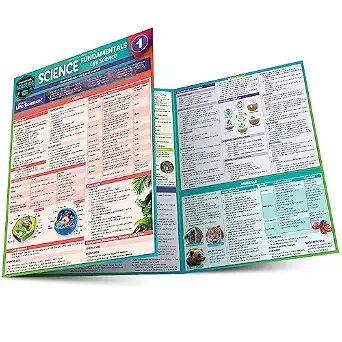 | Best for Middle School Students Needing Quick, Focused Review | Format: Laminated Study Guide | Subject: Life Science | Target Grade: Middle School | VIEW LATEST PRICE | See Our Full Breakdown |
| Everything You Need To Know About Science Homework: A Desk Reference for Students and Parents |  | Best for Parents and Students Needing a Comprehensive Guide | Coverage: Broad science topics | Intended Audience: Students and parents | Format: Print | VIEW LATEST PRICE | See Our Full Breakdown |
| Microbiology: A Quick Study Laminated Reference Guide |  | Best for Microbiology Students and Professionals Needing a Concise Reference | Subject Focus: Microbiology | Format: Laminated Reference Guide | Size: Compact and portable | VIEW LATEST PRICE | See Our Full Breakdown |
| Teach Yourself Instant Reference Science |  | Best for Enthusiasts and Students Seeking a Concise Overview | Coverage: Multiple science disciplines | Format: Print | Content Depth: Surface-level overview | VIEW LATEST PRICE | See Our Full Breakdown |
| Knowledge Encyclopedia Science! 2nd Edition |  | Best Overall Reference for In-Depth Science Coverage | Format: Hardcover | Pages: Approximately 384 | Audience: Students and enthusiasts | VIEW LATEST PRICE | See Our Full Breakdown |
| Everything You Need to Ace Biology in One Big Fat Notebook |  | Best for Clear, Engaging Biology Study | Format: Paperback | Pages: Approximately 336 | Audience: Middle and high school students | VIEW LATEST PRICE | See Our Full Breakdown |
| Science Fundamentals 3 – Physical Science: for Middle School – A QuickStudy Laminated Reference & Study Guide |  | Best Compact and Durable Quick-Reference Guide | Format: Laminated Study Guide | Pages: Approximate | Audience: Middle school students | VIEW LATEST PRICE | See Our Full Breakdown |
| Everything You Need to Ace Science in One Big Fat Notebook: The Complete Middle School Study Guide |  | Best All-in-One Middle School Science Study Guide | Format: Paperback | Pages: Approximate | Audience: Middle school students | VIEW LATEST PRICE | See Our Full Breakdown |
| science reference books for student | Format | Coverage |
|---|---|---|
| Everything You Need to Know Ab | — | |
| Science Fundamentals 1 | Laminated Study Guide | — |
| Everything You Need To Know Ab | Broad science topics | |
| Microbiology: A Quick Study La | Laminated Reference Guide | — |
| Teach Yourself Instant Referen | Multiple science disciplines | |
| Knowledge Encyclopedia Science | Hardcover | Wide-ranging scientific topics |
| Everything You Need to Ace Bio | Paperback | Key biology concepts |
| Science Fundamentals 3 | Laminated Study Guide | Physical science essentials |
| Everything You Need to Ace Sci | Paperback | Complete science topics for middle school |
More Details on Our Top Picks
Everything You Need to Know About Science Homework: A Desk Reference for Students and Parents, 4th to 6th Grades
This desk reference stands out for its straightforward explanations tailored to 4th to 6th graders, making science approachable for young learners. Compared with more detailed guides like Everything You Need to Know About Science Homework, it offers a gentle introduction that parents can confidently use to assist their children. The lack of advanced content means it’s less suitable for older or more advanced students, but its clarity is a major strength for beginners. However, its simplicity may leave more curious or ambitious students wanting deeper coverage. This pick makes the most sense for early elementary to middle school students just starting to explore science concepts.
Pros:- Provides clear, easy-to-understand science explanations
- Helps parents assist with homework confidently
- Suitable for early middle-grade students
Cons:- Limited depth; may be too basic for advanced students
- No detailed features or supplementary activities
Best for: Parents and educators working with younger students who need clear, simple science explanations.
Not ideal for: Students seeking in-depth scientific theories or advanced content, as it is too basic for their needs.
- Intended Grade Level:4th to 6th
- Format:Print
- Content Focus:Basic science concepts and homework tips
- Page Count:Approximately 150 pages
- Language:English
- Publisher:Unknown
Our verdict“This reference is ideal for young students and parents looking for straightforward science help without overwhelming detail.”
Science Fundamentals 1 – Life Science – Cells, Plants & Animals: for Middle School – a QuickStudy Laminated Reference & Study Guide
This laminated guide excels at condensing core life science topics into a durable, portable format, making it perfect for middle school students who need quick review sessions. Unlike the comprehensive Knowledge Encyclopedia Science! which covers a broad range of topics in depth, this guide focuses narrowly on cells, plants, and animals, offering concise facts without extra fluff. Its laminated construction ensures it withstands daily use, but this focus means it isn’t suited for students seeking detailed explanations or practice questions. It makes the most sense for students preparing for tests or needing a quick reference during homework.
Pros:- Laminated, durable for everyday use
- Concise and focused on key life science concepts
- Portable and easy to reference
Cons:- Limited depth; not suitable for advanced learners
- No included practice questions or exercises
Best for: Middle school students who want a durable, easy-to-carry reference for core life science topics.
Not ideal for: Students looking for detailed explanations or comprehensive practice resources, as this guide lacks depth and exercises.
- Format:Laminated Study Guide
- Subject:Life Science
- Target Grade:Middle School
- Number of Pages:Approximately 6 pages
- Durability:Laminated
- Focus Areas:Cells, Plants, Animals
Our verdict“This laminated guide offers a reliable, quick reference for middle schoolers focused on essential life science topics.”
Everything You Need To Know About Science Homework: A Desk Reference for Students and Parents
This comprehensive guide appeals to those who want a detailed resource to clarify complex science concepts, making it suitable for a wide age range. Unlike the more basic Everything You Need to Know About Science Homework, 4th-6th Grades, it aims to serve as a thorough reference for homework help and study support. Its broad scope could be overwhelming for students seeking quick tips, and the lack of specific features or customer feedback leaves its usability somewhat uncertain. Nonetheless, it fills a valuable niche for families requiring an all-encompassing science reference. This makes sense for parents and students who prefer an extensive, one-stop science resource.
Pros:- Comprehensive and detailed science guidance
- Helps clarify complex concepts effectively
- Useful for homework and ongoing study
Cons:- Lacks detailed content description and features
- No customer reviews or ratings available
Best for: Parents and students wanting a detailed, comprehensive science reference for homework and study support.
Not ideal for: Students who prefer quick summaries or are looking for a specific focus, as the book covers a broad range of topics without depth.
- Coverage:Broad science topics
- Intended Audience:Students and parents
- Format:Print
- Page Count:Unknown
- Use Case:Homework and study support
- Edition:Unknown
Our verdict“This guide is ideal for those needing an all-in-one resource to support science homework and deep understanding.”
Microbiology: A Quick Study Laminated Reference Guide
This laminated microbiology guide offers a compact overview, making it ideal for students or professionals who need quick access to core microbiology concepts. Compared to the broader physical or life sciences guides like Science Fundamentals 1, it concentrates solely on microbiology, providing targeted information in a portable format. Its laminated design ensures durability, but the lack of detailed explanations or practice questions limits its usefulness for those seeking in-depth learning. It’s best suited for quick consultation rather than comprehensive study. This pick is perfect for microbiology students or lab professionals who need a handy reference on the spot.
Pros:- Concise, focused microbiology content
- Laminated for durability and portability
- Ideal for quick consultation in lab or study settings
Cons:- Limited to microbiology; not suitable for general science needs
- No detailed explanations or practice questions
Best for: Students or professionals specializing in microbiology who need a quick, durable reference guide.
Not ideal for: Learners seeking broad scientific understanding or detailed explanations beyond microbiology topics.
- Subject Focus:Microbiology
- Format:Laminated Reference Guide
- Size:Compact and portable
- Durability:Laminated
- Content Depth:Overview, key concepts
- Intended Users:Students and professionals
Our verdict“This guide is best for microbiology practitioners or students requiring a portable, quick-reference resource.”
Teach Yourself Instant Reference Science
This all-encompassing quick-reference guide offers a broad overview of scientific principles, making it suitable for students and hobbyists who want a quick but comprehensive grasp of science. Unlike Science Fundamentals 1, which targets specific middle school topics, this book covers a wide array of scientific disciplines in one volume, though it sacrifices depth for breadth. Its straightforward language and concise format make it accessible, but it isn’t designed for detailed learning or advanced study. The absence of illustrations or diagrams could limit understanding for visual learners. This choice works best for curious students or enthusiasts who need a quick refresher.
Pros:- Concise and easy to understand
- Covers a wide range of science topics
- Great for quick reference and review
Cons:- Lacks in-depth explanations
- No detailed illustrations or diagrams
- Limited content for advanced learners
Best for: Students and science enthusiasts seeking a broad, easy-to-understand overview for quick reference.
Not ideal for: Those requiring in-depth explanations or detailed diagrams, as the book offers only surface-level coverage.
- Coverage:Multiple science disciplines
- Format:Print
- Content Depth:Surface-level overview
- Illustrations:None
- Intended Audience:Students, enthusiasts
- Page Count:Approximately 300 pages
Our verdict“This guide is suitable for curiosity-driven students and hobbyists who want a broad science overview in a simple format.”
Knowledge Encyclopedia Science! 2nd Edition
This encyclopedia stands out for its extensive coverage across all scientific fields, making it ideal for students who want a one-stop resource for detailed explanations and engaging visuals. Its rich illustrations help clarify complex concepts better than more text-heavy options like the Everything You Need to Ace Science in One Big Fat Notebook. However, the lack of specific technical specifications and absence of user reviews make it harder to gauge its depth for advanced learners. Compared to quick-reference guides, this book offers a broader scope and more detailed content, but it may be overwhelming for those seeking quick facts. Best suited for ambitious students or science enthusiasts seeking a comprehensive resource.
Pros:- Extensive coverage of scientific topics across multiple disciplines
- Engaging visuals and detailed illustrations enhance understanding
- Suitable for both students and science enthusiasts seeking depth
Cons:- No specific technical specifications or digital features
- Can be too comprehensive for students needing quick summaries
Best for: High school students and science enthusiasts who want a detailed, visually engaging reference.
Not ideal for: Students looking for quick review guides or portable study aids, as the encyclopedia is large and more detailed than necessary for rapid revision.
- Format:Hardcover
- Pages:Approximately 384
- Audience:Students and enthusiasts
- Visuals:Rich illustrations and diagrams
- Coverage:Wide-ranging scientific topics
- Edition:2nd Edition
Our verdict“This encyclopedia is perfect for dedicated learners who want a thorough, visual resource, but less ideal for those needing quick, portable reference materials.”
Everything You Need to Ace Biology in One Big Fat Notebook
This book offers a straightforward, engaging approach to biology, making complex concepts accessible through simple language and helpful diagrams. It’s a strong choice for students who prefer a focused, subject-specific guide rather than a broad encyclopedia like Knowledge Encyclopedia Science!. Its easy-to-understand format and study tips support self-paced learning, but the lack of detailed specifications and absence of user reviews leave some uncertainty about its depth. Compared with the laminated Science Fundamentals 3, this book provides more comprehensive coverage, though it might be less portable. Best suited for middle or high school students needing a solid, easy-to-follow biology resource.
Pros:- Comprehensive coverage of key biology topics
- Engaging format with diagrams and study tips
- Designed to simplify complex concepts for learners
Cons:- No detailed technical specs or digital content
- Limited scope outside biology
Best for: Middle school students or beginners seeking an engaging, comprehensive biology review.
Not ideal for: Advanced students or those needing a quick, portable cheat sheet, as the book emphasizes thorough understanding over brevity.
- Format:Paperback
- Pages:Approximately 336
- Audience:Middle and high school students
- Visuals:Diagrams and illustrations
- Coverage:Key biology concepts
- Edition:Big Fat Notebook
Our verdict“This book makes a solid, engaging choice for students studying biology who need clear explanations and visual aids, but it’s less suited for quick review or multi-subject study.”
Science Fundamentals 3 – Physical Science: for Middle School – A QuickStudy Laminated Reference & Study Guide
This laminated guide offers a durable, portable solution for middle school students needing quick facts and essential concepts in physical science. Its concise format makes it easy to carry around and reference during homework or exams, especially when compared to the comprehensive Everything You Need to Ace Science. However, its limited depth means it’s not suitable for students seeking in-depth understanding or advanced topics. Unlike digital study aids, it lacks interactive features, so it’s best for straightforward review sessions. Its portability and durability make it ideal for on-the-go use, but it can’t replace more detailed textbooks. Best for middle school students who need a quick, durable reference for physical science.
Pros:- Laminated for durability and easy reference
- Concise explanations suitable for quick review
- Portable size for on-the-go study and homework help
Cons:- Limited depth for advanced or detailed understanding
- No digital or interactive features
Best for: Middle school students looking for an easy-to-carry, quick-reference guide to physical science facts.
Not ideal for: Students requiring in-depth explanations or interactive learning tools, as this guide offers only basic facts and concepts.
- Format:Laminated Study Guide
- Pages:Approximate
- Audience:Middle school students
- Coverage:Physical science essentials
- Features:Durable, portable, laminated
- Ideal Use:Homework, quick review
Our verdict“This laminated quick-study guide is perfect for middle school students needing a durable, portable reference for physical science, but it won’t satisfy those seeking comprehensive coverage or interactivity.”
Everything You Need to Ace Science in One Big Fat Notebook: The Complete Middle School Study Guide
This comprehensive guide covers a wide range of middle school science topics, with clear explanations, diagrams, and practice questions that support understanding and exam prep. It’s a more detailed alternative to the Science Fundamentals 3 laminated guide, offering broader coverage and self-assessment tools. However, its thoroughness can be a drawback, as some students may find it too dense or overwhelming for quick reviews. Unlike digital resources, it lacks interactive elements, but it compensates with well-organized content and practice questions. Compared to the biology-specific Big Fat Notebook, this guide provides broader science coverage, making it suitable for students studying multiple subjects. Best suited for middle school students seeking a comprehensive, exam-focused review of science.
Pros:- Broad coverage of middle school science topics
- Clear explanations, diagrams, and practice questions
- Good for exam preparation and self-assessment
Cons:- May be too detailed for students needing quick review
- No digital or interactive content
Best for: Middle school students who need a thorough, multi-topic science review with practice questions for exam prep.
Not ideal for: Students who prefer quick summaries or digital interactivity, as this book is more detailed and static.
- Format:Paperback
- Pages:Approximate
- Audience:Middle school students
- Coverage:Complete science topics for middle school
- Features:Diagrams, practice questions
- Edition:Big Fat Notebook
Our verdict“This guide is ideal for middle schoolers who want a complete, exam-oriented science review, though it might be too dense for quick or casual study.”

How We Picked
The selection process focused on evaluating each book’s clarity, accuracy, and usability. We prioritized books that balance comprehensive content with engaging visuals, making complex concepts accessible for students. Durability and ease of use, such as laminated pages and clear layouts, were also key factors. Price and value were considered to recommend options suitable for different budgets. Our ranking reflects how well each book meets the needs of students across various age groups and learning preferences, ensuring that both beginners and advanced learners find a suitable resource.| science reference books for student | Format | Coverage |
|---|---|---|
| Everything You Need to Know Ab | — | |
| Science Fundamentals 1 | Laminated Study Guide | — |
| Everything You Need To Know Ab | Broad science topics | |
| Microbiology: A Quick Study La | Laminated Reference Guide | — |
| Teach Yourself Instant Referen | Multiple science disciplines | |
| Knowledge Encyclopedia Science | Hardcover | Wide-ranging scientific topics |
| Everything You Need to Ace Bio | Paperback | Key biology concepts |
| Science Fundamentals 3 | Laminated Study Guide | Physical science essentials |
| Everything You Need to Ace Sci | Paperback | Complete science topics for middle school |
Factors to Consider When Choosing Science Reference Books For Students
Choosing the right science reference book involves considering several factors beyond just content. Understanding your student’s grade level, learning style, and specific interests can help narrow down the best options. Additional considerations include durability, visual appeal, and whether the book covers the specific branches of science your student needs most. Being aware of common pitfalls, such as selecting overly technical books for young learners or overly simplified guides for advanced students, will improve your chances of finding a truly useful resource.Grade Level and Content Depth
Matching the complexity of the material to the student’s grade ensures they stay engaged without feeling overwhelmed. A book designed for middle school students may lack the detail needed by high school learners, while beginner guides might be too simplistic for older students. Paying attention to the recommended age range or grade level helps avoid under- or overestimating the student’s needs.
Visuals and Layout
Clear diagrams, charts, and illustrations make complex scientific concepts more digestible. Laminated, pocket-sized guides are excellent for quick reference, especially in labs or during homework. Conversely, more detailed books with extensive visuals suit students who enjoy in-depth exploration, but may be less practical for quick lookups.
Coverage and Scope
Decide whether your focus is broad, covering multiple branches of science, or specialized in areas like biology or physics. Some books offer a general overview, ideal for middle school, while encyclopedic volumes are better suited for high school or advanced learners. Overly comprehensive books might be overwhelming for casual use, so consider your student’s motivation and curiosity.
Durability and Usability
Durable materials, such as laminated pages or hardcover bindings, increase longevity, especially for frequent use. Size and weight matter if your student needs portability. User-friendly features like highlighted sections, foldouts, or quick-reference tabs can enhance usability, making it easier for students to find information quickly when needed.
Price and Value
Higher-priced books often provide more comprehensive coverage and better durability, but may be unnecessary for casual learners. Conversely, budget options can still be valuable if they match the student’s needs and are easy to handle. Consider whether the book offers features like online access or supplemental resources, which can add value without significantly increasing cost.
Frequently Asked Questions
How do I choose a science reference book for a beginner student?
For beginners, look for books with simple language, engaging visuals, and clear explanations. Books tailored for middle school or early high school often balance detail and accessibility, making concepts easier to grasp. Laminated guides or big-fat notebooks are excellent because they are designed to be user-friendly and durable, encouraging independent exploration without overwhelming the student with technical jargon.
Should I buy a comprehensive encyclopedia or a quick reference guide?
This depends on your student’s study habits and needs. Encyclopedic books, like the Knowledge Encyclopedia, provide extensive detail suitable for high school or college prep, but can be overwhelming for casual or younger students. Quick reference guides, like laminated Study Guides, are better for homework help or quick lookups, especially in a classroom or lab setting. Consider how the student plans to use the book most often.
Are laminated guides durable enough for everyday use?
Yes, laminated guides are designed to withstand frequent handling, making them ideal for active students who need quick access to information. Their durability helps prevent wear and tear, especially in environments like science labs or study groups. However, they may lack the depth of more comprehensive books, so pairing them with other resources can be beneficial for thorough learning.
Can these books replace textbooks or classroom instruction?
Reference books serve as supplemental resources rather than replacements for textbooks or teacher-led instruction. They are excellent for clarifying concepts, quick reviews, or independent study. For comprehensive understanding, students should still rely on their coursework, but these books enhance retention and provide quick access to key information when needed.
Is it worth investing in premium science reference books?
Premium books often offer higher-quality materials, more comprehensive coverage, and better visuals, which can significantly enhance the learning experience. If your student has a keen interest in science or requires detailed information for projects or exams, investing in a higher-end book can be worthwhile. For casual or younger learners, more affordable options may suffice, focusing on engaging visuals and basic explanations.
Conclusion
For those seeking the best overall resource, Knowledge Encyclopedia Science! 2nd Edition offers a comprehensive and engaging overview suitable for high school students and curious learners. Budget-conscious buyers will appreciate Everything You Need to Ace Science in One Big Fat Notebook for its affordability and accessibility. Beginners or younger students should consider laminated quick guides like Science Fundamentals 1 – Life Science to build confidence. For advanced learners needing in-depth detail, encyclopedic references are the ideal choice. Ultimately, selecting the right book depends on the student’s age, interest level, and how they prefer to learn — matching these factors with the right resource will make science both accessible and enjoyable.