
Choosing the right scientific calculator for students involves balancing functionality, ease of use, and affordability. The Casio fx-115ES Plus 2nd Edition stands out as the best overall thanks to its natural textbook display and versatile functions, ideal for most high school and college courses. For those prioritizing affordability, the Casio fx-260 Solar II offers essential features with solar power at a lower price point, while the Texas Instruments TI-84 Plus CE provides advanced graphing capabilities for more complex work. The main tradeoffs involve deciding whether you need basic scientific functions or more advanced graphing tools. Keep reading for a detailed comparison to help you find the best fit for your needs.
Key Takeaways
- The top picks balance functionality with ease of use, making them suitable for different student levels.
- Graphing calculators like the TI-84 Plus CE are better for advanced courses but come at a higher cost.
- Solar-powered models such as the Casio fx-260 Solar II help reduce maintenance and are ideal for budget-conscious students.
- Casio models typically offer more features at a lower price point compared to TI’s offerings, making them the best value.
- Choosing a calculator with textbook display features enhances understanding and reduces errors during exams.
| Casio fx-115ES Plus 2nd Edition Advanced Scientific Calculator with Natural Textbook Display |  | Best Overall for Versatile College-Level Use | Display Type: 16-digit 4-line LCD with Natural Textbook Display | Functions: 280+ (complex numbers, calculus, statistics) | Power Source: Solar Plus with battery backup | VIEW LATEST PRICE | See Our Full Breakdown |
| Texas Instruments TI-30XIIS Scientific Calculator (Raspberry) | 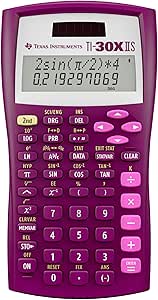 | Best for High School Math and Science | Calculator Type: Engineering/Scientific | Power Source: Solar and Battery Powered | Display Size: 2.2 Inches | VIEW LATEST PRICE | See Our Full Breakdown |
| Texas Instruments TI-30XIIS Scientific Calculator (Black with Blue Accents) |  | Best for Durable Daily Use in Classrooms | Calculator Type: Engineering/Scientific | Power Source: Solar and Battery Powered (CR123A included) | Display Size: 2.2 Inches | VIEW LATEST PRICE | See Our Full Breakdown |
| Texas Instruments TI-34 MultiView Scientific Calculator |  | Best for Middle School Math and Basic Science | Calculator Type: Engineering/Scientific | Power Source: Battery Powered (CR123A) | Display Size: 3 Inches | VIEW LATEST PRICE | See Our Full Breakdown |
| Texas Instruments TI-30XIIS Scientific Calculator Teacher Kit (10-Pack) |  | Best for Classroom Distribution and Basic Calculations | Calculator Type: Engineering/Scientific | Power Source: Solar Powered with backup | Display Type: LCD | VIEW LATEST PRICE | See Our Full Breakdown |
| Texas Instruments TI-30Xa Scientific Calculator |  | Best Overall for Basic Science and Algebra | Display Type: One-line, 10-digit | Functions: Trigonometric, logarithmic, fraction operations, conversions, 1-variable statistics | Power Source: Battery-powered | VIEW LATEST PRICE | See Our Full Breakdown |
| Texas Instruments TI-84 Plus CE Color Graphing Calculator |  | Best Visual Display and Graphing Power | Display Type: LED, high-resolution color | Number of Items: 1 | Battery Type: Rechargeable | VIEW LATEST PRICE | See Our Full Breakdown |
| Casio fx-260 Solar II Scientific Calculator – 10-Digit Display, Fraction & Trig Functions for Students |  | Best for Budget-Conscious Middle and High School Students | Calculator Type: Engineering/Scientific | Power Source: Solar Powered with Battery Backup | Screen Size: 2.25 Inches | VIEW LATEST PRICE | See Our Full Breakdown |
| Texas Instruments TI-30XS MultiView Scientific Calculator |  | Best for Multi-Calculation Comparison and Step-by-Step Learning | Power Source: Solar and Battery | Display Lines: 4-line (16 characters x 4 lines) | Key Features: MathPrint, fraction/decimal toggle, x,y table, step-by-step simplification | VIEW LATEST PRICE | See Our Full Breakdown |
More Details on Our Top Picks
Casio fx-115ES Plus 2nd Edition Advanced Scientific Calculator with Natural Textbook Display
This calculator stands out for its natural textbook display, which makes interpreting fractions, equations, and results more intuitive—particularly compared to the smaller screens on models like the Texas Instruments TI-30XIIS. Its over 280 functions support complex number calculations, calculus, and matrix operations, making it suitable for engineering and college courses. The multi-replay function allows step-by-step error checking, a feature absent in simpler calculators. However, it isn’t a graphing calculator, so visual plotting is limited, and the battery will eventually need replacing. Compared with basic models, this option offers extensive functionality, but at the cost of a slightly higher price and complexity.
Pros:- Natural textbook display simplifies complex math interpretation
- Over 280 functions support advanced calculations
- Multi-replay function enables step-by-step error checking
Cons:- No graphing capabilities for visual data analysis
- Battery replacement needed eventually
Best for: College students who need a comprehensive scientific calculator with clear display features.
Not ideal for: High school students seeking a straightforward, budget-friendly device without advanced functions.
- Display Type:16-digit 4-line LCD with Natural Textbook Display
- Functions:280+ (complex numbers, calculus, statistics)
- Power Source:Solar Plus with battery backup
Bottom line: This calculator is ideal for students who require advanced features with clear, textbook-style display at a reasonable price.
Texas Instruments TI-30XIIS Scientific Calculator (Raspberry)
This model features a two-line display that allows users to see their input and results simultaneously, making it easier to avoid errors—more user-friendly than the single-line display on the Texas Instruments TI-34 MultiView. It supports statistical functions, three angle modes, and scientific notation, suitable for high school coursework. Its hybrid solar/battery power ensures reliability, but the small screen size can limit readability for complex equations, and the plastic construction feels less durable than premium models. Compared to graphing calculators, it offers only core functions, but it excels in portability and simplicity for everyday math tasks.
Pros:- Two-line display for clear entry and results
- Supports multiple angle modes and statistical calculations
- Hybrid solar/battery power for dependable use
Cons:- Small screen size limits complex equation visibility
- Plastic build feels less premium
Best for: High school students needing a reliable, straightforward scientific calculator for daily math and science classes.
Not ideal for: College students or those in advanced courses requiring graphing or extensive functions.
- Calculator Type:Engineering/Scientific
- Power Source:Solar and Battery Powered
- Display Size:2.2 Inches
Bottom line: This calculator is perfect for high school students who want a simple, reliable device for daily coursework without extra complexity.
Texas Instruments TI-30XIIS Scientific Calculator (Black with Blue Accents)
Compared to the Raspberry version, this calculator emphasizes durability with its metal and plastic enclosure, making it ideal for students who might be rough with their devices. Its two-line display facilitates clear input and output, but the small screen limits the ability to view complex calculations at once. It supports solar power and comes with a protective cover and quick reference guides, which are especially useful in classroom settings. However, it offers basic scientific functions without the advanced capabilities needed for higher-level courses. It provides a sturdy, no-frills experience suitable for everyday school use.
Pros:- Durable design with protective cover
- Supports solar power for energy efficiency
- Two-line display for easy input/output
Cons:- Limited functionality compared to graphing calculators
- Small screen size restricts viewing complex calculations
Best for: Middle school or high school students who need a durable calculator for regular classroom use.
Not ideal for: College students or advanced science students requiring graphing or higher-end features.
- Calculator Type:Engineering/Scientific
- Power Source:Solar and Battery Powered (CR123A included)
- Display Size:2.2 Inches
Bottom line: This calculator suits students seeking a rugged, reliable device for everyday use without extra bells and whistles.
Texas Instruments TI-34 MultiView Scientific Calculator
This four-line calculator enhances editing and reviewing with its expanded display, making it a step up from basic two-line models like the TI-30XIIS. Its MATHPRINT mode provides textbook-style notation, which helps students transition smoothly into higher-level math. Features like advanced fraction capabilities with step-by-step simplification and a table function for exploring data points make it a versatile choice for middle school and early high school courses. The 3-inch screen, however, can still be limiting for complex or lengthy calculations, and it lacks graphing features. Compared with more advanced calculators, this model balances functionality and simplicity well.
Pros:- Four-line display allows editing and scrolling
- MATHPRINT mode mimics textbook notation
- Supports step-by-step fraction simplification
Cons:- Small 3-inch screen limits complex equation visibility
- No graphing capabilities for advanced data analysis
Best for: Middle school students needing a multi-function calculator with a clear display for math and science classes.
Not ideal for: Students in advanced courses requiring graphing or complex equation solving.
- Calculator Type:Engineering/Scientific
- Power Source:Battery Powered (CR123A)
- Display Size:3 Inches
- Features:MATHPRINT, Fraction simplification, Table function
Bottom line: This calculator is well-suited for students seeking a balance between basic and intermediate functions in a manageable form factor.
Texas Instruments TI-30XIIS Scientific Calculator Teacher Kit (10-Pack)
This teacher kit provides 10 basic scientific calculators designed for classroom use, emphasizing reliability with solar power and backup battery. While its two-line LCD display supports clear entry and results, the small size limits visibility, especially for more complex calculations. Its core functions—fractions, statistics, and unit conversions—are suitable for basic algebra and geometry lessons, but it lacks advanced features needed for higher-level science courses. The bulk-pack makes it ideal for teachers or schools distributing calculators to multiple students, but individual users seeking advanced features should look elsewhere.
Pros:- Includes 10 units for classroom use
- Solar power with backup battery for dependability
- Supports fractions and basic statistics
Cons:- Small screen size limits complex viewing
- Basic functionality without graphing or advanced functions
Best for: Educators needing multiple reliable calculators for a classroom setting.
Not ideal for: Students pursuing advanced science or engineering coursework requiring more features.
- Calculator Type:Engineering/Scientific
- Power Source:Solar Powered with backup
- Display Type:LCD
- Number of Units:10
Bottom line: This kit is perfect for educators seeking a cost-effective, reliable set of basic scientific calculators for classroom use.
Texas Instruments TI-30Xa Scientific Calculator
The TI-30Xa stands out for its straightforward approach to essential scientific functions, making it ideal for students who need reliable performance without the complexity of advanced graphing. Compared to the TI-84 Plus CE, it lacks a color display and graphing capabilities but excels in portability and simplicity, which benefits students in middle and high school science courses. Its one-line, 10-digit display can limit visibility for complex equations, yet it keeps the interface uncluttered. The calculator’s ability to handle fractions, trigonometry, and conversions makes it versatile for foundational math classes, though it doesn’t support graphing or data analysis features. This model is best suited for students who prioritize basic functionality and affordability over advanced features.
Pros:- Handles fractions, trigonometry, and conversions with ease
- Compact design with protective slide case for portability
- Affordable and straightforward for beginners
Cons:- One-line display limits visibility of complex calculations
- Lacks graphing and advanced scientific features
Best for: High school students needing a reliable, straightforward scientific calculator for algebra, chemistry, and physics classes.
Not ideal for: Students in college-level sciences or engineering courses requiring graphing or advanced functions, who will find this model too limited.
- Display Type:One-line, 10-digit
- Functions:Trigonometric, logarithmic, fraction operations, conversions, 1-variable statistics
- Power Source:Battery-powered
- Included Accessories:Slide case
Bottom line: This calculator provides essential scientific functions for students who need a simple, dependable device for high school math and science courses.
Texas Instruments TI-84 Plus CE Color Graphing Calculator
The TI-84 Plus CE offers a vibrant, high-resolution color display with split-screen options, making it ideal for visually-oriented students who need to interpret complex graphs and data quickly. Its rechargeable battery and preloaded apps provide convenience for long study sessions and immediate functionality. Compared with the TI-30Xa, it significantly enhances visual learning through color and advanced graph styles, though it is notably bulkier, which can be a drawback for portability. The split-screen and zoom features support in-depth exploration of functions, making it suitable for high school AP courses and college STEM classes. However, students seeking a lightweight, basic calculator will find this model too heavy and feature-rich for simple tasks.
Pros:- Color display enhances graph differentiation and readability
- Rechargeable battery reduces ongoing costs
- Preloaded apps and images for immediate use
Cons:- Bulky design affects portability
- Limited to color options available separately
Best for: High school students preparing for AP exams or college students working on data-heavy projects requiring detailed graphing.
Not ideal for: Students who prefer portability or need a simple calculator for quick calculations, as its size may be cumbersome for everyday use.
- Display Type:LED, high-resolution color
- Number of Items:1
- Battery Type:Rechargeable
Bottom line: This calculator is best suited for students who need powerful visual tools and graphing capabilities for advanced coursework and data analysis.
Casio fx-260 Solar II Scientific Calculator – 10-Digit Display, Fraction & Trig Functions for Students
The Casio fx-260 Solar II is a compact, solar-powered calculator that balances affordability with essential scientific functions, making it a strong choice for middle and high school students. Its solar technology with battery backup ensures reliable operation without frequent battery replacements, a feature that surpasses basic models like the TI-30Xa. While the 10-digit LCD display is sufficient for most schoolwork, it can be limiting for more complex equations, especially compared to the larger, multi-line display of the TI-30XS MultiView. It supports fractions, trigonometry, and conversions, providing all necessary functions without the clutter of advanced features. It’s an excellent entry-level device, but students requiring step-by-step equation solving or data analysis may find it too basic.
Pros:- Solar-powered with battery backup for consistent performance
- Compact and lightweight for easy portability
- Permitted on major standardized tests like SAT and AP
Cons:- Small screen size may hinder visibility of complex equations
- Limited to basic scientific functions—no graphing
Best for: Middle school students or those on a tight budget needing a reliable, exam-permitted scientific calculator.
Not ideal for: Students involved in advanced science or engineering courses requiring graphing or programming features, as this model is limited to fundamental calculations.
- Calculator Type:Engineering/Scientific
- Power Source:Solar Powered with Battery Backup
- Screen Size:2.25 Inches
- Display Type:LCD
- Color:Black
- Batteries Included:Yes (2 AA)
Bottom line: This calculator offers dependable basic scientific functions at an accessible price point for middle and high school students on standardized tests.
Texas Instruments TI-30XS MultiView Scientific Calculator
The TI-30XS MultiView excels with its four-line display, providing a clear advantage over single-line models like the TI-30Xa for students who need to compare multiple calculations side-by-side. Its MathPrint mode displays calculations in natural notation, easing the understanding of fractions, exponents, and scientific notation. While it doesn’t include graphing capabilities like the TI-84 Plus CE, its step-by-step simplification and x,y table generator make it a valuable learning tool for pre-algebra through geometry. The solar power with battery backup adds reliability. However, its limited functions compared to graphing calculators mean it can’t handle complex data analysis or graphing tasks, making it best suited for foundational courses.
Pros:- Four-line display allows comparison of multiple calculations
- MathPrint mode shows natural math notation for clarity
- Fraction/decimal toggle enhances usability
Cons:- Limited to basic scientific functions, no graphing
- Small display characters can be difficult for some users
Best for: High school students in courses requiring multiple calculations and step-by-step problem solving, especially those studying algebra, geometry, and statistics.
Not ideal for: Students needing advanced features such as graphing, programming, or extensive data analysis, who should consider more advanced models.
- Power Source:Solar and Battery
- Display Lines:4-line (16 characters x 4 lines)
- Key Features:MathPrint, fraction/decimal toggle, x,y table, step-by-step simplification
- Ideal For:General math, pre-algebra, algebra, geometry, statistics
Bottom line: This calculator is ideal for students who need to compare multiple calculations and view them in natural notation without the complexity of graphing features.

How We Picked
The calculators in this roundup were evaluated based on a combination of performance, ease of use, durability, and value. We prioritized models that are widely accepted in educational settings, ensuring compatibility with exam regulations. Additional factors included display quality, battery life, and feature set—balancing basic scientific functions with advanced capabilities like graphing. Our ranking reflects a mix of affordability, versatility, and suitability for various student levels, aiming to provide options for beginners through advanced users.Factors to Consider When Choosing Scientific Calculators For Students
When selecting a scientific calculator for students, it’s essential to consider several factors that impact usability, durability, and long-term value. A good calculator should match your current coursework and future needs without overwhelming you with unnecessary features. Understanding these factors can help avoid common pitfalls, such as overpaying for advanced functions you won’t use or choosing a model incompatible with exam rules.Functionality and Course Requirements
Assess what features are necessary for your classes. Basic scientific calculators handle functions like roots, powers, and trigonometry, which are sufficient for most high school courses. More advanced courses, especially in college, may require graphing capabilities or programmable features. Selecting a calculator that aligns with your current coursework prevents overspending while ensuring you have the right tools for exams and assignments.
Display and User Interface
A clear, easy-to-read display reduces errors during calculations and exams. Models with natural textbook display, like the Casio fx-115ES Plus, show expressions as they appear in textbooks, making calculations more intuitive. Conversely, simple LCD screens may be less user-friendly but are often more affordable. Consider how much time you spend interpreting complex outputs and choose accordingly.
Battery Life and Power Source
Long-lasting battery life is essential, especially during exams or extended study sessions. Solar-powered calculators, such as the Casio fx-260 Solar II, minimize the need for replacements and are environmentally friendly. Battery-only models might require periodic replacements, which can be inconvenient. Think about your typical usage and environment to pick a power source that offers convenience and reliability.
Build Quality and Durability
Students tend to carry calculators everywhere, so durability matters. Look for models with sturdy casing and protective features. Lightweight designs are portable but may sacrifice robustness. Investing in a well-built calculator can prevent damage and extend its lifespan, especially if you commute frequently or handle devices roughly.
Price and Value
While it’s tempting to opt for the cheapest model, consider what features justify the price. Basic calculators like the Texas Instruments TI-30XIIS are affordable and sufficient for many students, but paying a bit more for added features like multi-line displays or graphing may pay off in advanced courses. Balance your budget against your current and future needs to find a calculator that offers the best value.
Frequently Asked Questions
Can I use a scientific calculator on standardized tests?
Many standardized tests allow specific scientific calculators, but each exam has its own list of permitted models. For example, calculators with algebraic or vector functions might be restricted, while basic scientific calculators are generally permitted. Always check the exam guidelines beforehand to ensure your calculator complies, avoiding surprises during the test.
Are graphing calculators necessary for high school students?
Graphing calculators like the TI-84 Plus CE are often recommended for advanced high school courses, especially in algebra, calculus, or physics. However, for most basic science and math classes, a standard scientific calculator suffices. Consider your current coursework and future needs before investing in a graphing model, which can be significantly more expensive.
How important is solar power in a student calculator?
Solar power reduces the need for battery replacements and can be more environmentally friendly. For students who often forget to carry spare batteries or need their calculator to last through long periods, solar-powered models like the Casio fx-260 Solar II offer a practical advantage. However, they may be less reliable in low-light conditions, so evaluate your typical usage environment.
Should I buy a calculator with advanced features I don’t understand yet?
It’s best to choose a calculator that matches your current level of understanding and coursework. Investing in complex programmable or graphing calculators before you are ready can lead to frustration and underutilization. Focus on models that cover your immediate needs and upgrade as your skills and requirements grow.
What is the most affordable calculator that still offers essential scientific functions?
Models like the Casio fx-260 Solar II or the Texas Instruments TI-30XIIS provide a solid set of features at a budget-friendly price. They handle most basic scientific calculations and are widely accepted in schools. These options are excellent for students who need reliable functionality without extra bells and whistles.
Conclusion
For students just starting out or on a tight budget, the Casio fx-260 Solar II offers essential functions with solar power at a low cost. Those requiring a versatile, easy-to-use model that covers most high school needs should consider the Casio fx-115ES Plus 2nd Edition as the best overall. Advanced learners or college students in STEM fields will benefit from the Texas Instruments TI-84 Plus CE for its graphing capabilities. Beginners or casual users will find simpler models sufficient, while those with specific needs, like exam restrictions, should choose accordingly based on the features discussed. Your ideal calculator depends on your course requirements, budget, and comfort with advanced features.