To keep my family safe this winter, I focus on two main safety plans: home and vehicle preparedness. I make sure our home is well insulated, vents are sealed, and emergency supplies are nearby. For our vehicle, I carry an emergency kit and check tires and fluids regularly. I also monitor local weather alerts and have communication plans ready. If you want helpful tips to protect your loved ones, you’ll find all the essential details if you continue exploring.
Key Takeaways
- Implement home insulation, sealing gaps, and maintaining heating systems to prevent heat loss and ensure safety.
- Prepare vehicles with emergency kits, proper tire care, and fuel to handle winter driving conditions.
- Monitor weather alerts through multiple sources and know local emergency shelters and evacuation routes.
- Establish a family communication plan with designated contacts, meeting points, and practice emergency drills regularly.
- Ensure everyone wears layered, waterproof clothing, and use backup power sources and safety devices like carbon monoxide detectors.
72 HRS Deluxe Emergency Survival Kit

If you’re looking for a reliable way to keep your family safe during winter storms or other emergencies, the HRS Deluxe Emergency Survival Kit is an excellent choice. This heavy-duty 72-hour go bag is designed to provide essential supplies for natural disasters like earthquakes, hurricanes, or winter storms. It contains 56 crucial components, including food, water, and a first aid kit, all packed in a compact, lightweight backpack. Suitable for two people, it offers peace of mind knowing you have the basics covered. Rated 4.6 stars by customers, it’s a trusted, versatile safety solution to help you stay prepared and protected when emergencies strike.
Best For: Families or small groups seeking a reliable, comprehensive emergency preparedness solution for natural disasters and everyday emergencies.
Pros:
- Includes 56 essential components such as food, water, and first aid supplies for 72 hours of safety.
- Compact, lightweight design (18 x 14 x 8 inches, 756 grams) makes it easy to store and carry.
- Suitable for two persons, ideal for families or small groups seeking peace of mind during crises.
Cons:
- Price may vary and could be higher than basic emergency kits depending on the retailer.
- The backpack, while lightweight, may not have extensive capacity for additional personal items.
- Limited warranty period of 90 days may not cover long-term durability or product issues.
72 HRS Deluxe Emergency Survival Kit
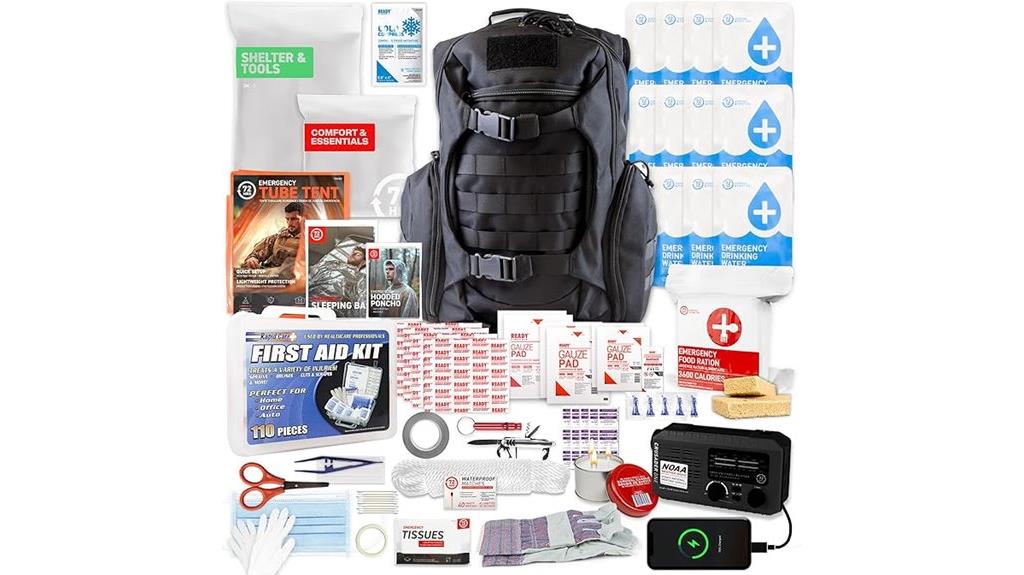
The HRS Deluxe Emergency Survival Kit is an excellent choice for families seeking reliable winter safety preparedness because it provides all the essential supplies needed to handle a variety of emergencies, including harsh winter storms. This heavy-duty 72-hour bag includes critical items like an emergency first aid kit, water, and food, ensuring you’re ready to face unexpected crises. Its all-encompassing design covers both natural disasters and everyday emergencies, giving you peace of mind knowing your family is protected. Built for durability and practicality, this kit empowers you to respond confidently and stay safe during winter storms or other unforeseen events.
Best For: families and individuals seeking reliable, comprehensive emergency preparedness for natural disasters and everyday crises, especially during winter storms.
Pros:
- Includes essential supplies like first aid kit, water, and food for up to 72 hours
- Heavy-duty, durable backpack designed for rugged conditions and long-term use
- Versatile for a wide range of emergencies including earthquakes, hurricanes, and winter storms
Cons:
- May be bulkier and heavier compared to smaller, minimalist emergency kits
- Limited customization options for specific individual or family needs
- Could be more expensive than basic emergency kits with fewer supplies
Factors to Consider When Choosing a Family Winter Safety Plan
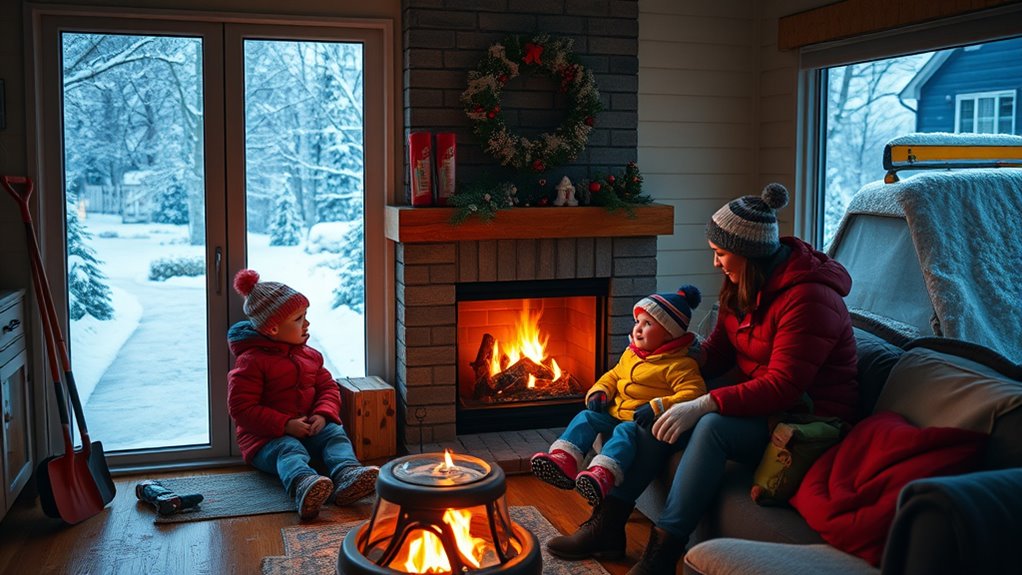
When choosing a winter safety plan, I focus on ensuring we have enough emergency supplies and reliable ways to monitor weather conditions. I also prioritize a clear communication plan for the family and safety measures for heating and power use. Finally, I check that everyone has the necessary winter clothing to stay warm and protected.
Emergency Supplies Readiness
Choosing the right emergency supplies is essential for keeping your family safe during winter storms. I make sure our emergency kit has enough food, water, and essentials to last at least 72 hours. I regularly check and update supplies, replacing expired items and adding new necessities. It’s also crucial to include warm clothing, blankets, and heat sources to stay safe in freezing conditions. I keep a list of emergency contacts and important documents in a waterproof, easy-to-access spot. We practice emergency scenarios so everyone knows how to locate and use our supplies quickly. Being prepared helps reduce panic and ensures my family stays warm, safe, and connected, no matter how severe the winter weather gets. Proper readiness is the key to effective winter safety planning.
Weather Condition Monitoring
Staying ahead of winter weather relies on monitoring local conditions regularly, so we can respond quickly to sudden storms or drops in temperature. I recommend using multiple sources like weather apps, NOAA alerts, and local news to stay informed of changing conditions. Tracking forecasts for our specific area helps plan safe travel routes and avoid hazardous situations. It’s also important to understand weather warning categories such as winter storm warnings or wind chill advisories, so we can act promptly. Continuous monitoring lets us adjust our emergency plans proactively, reducing the risk of exposure and frostbite. By staying vigilant and informed, we can better protect our family and ensure everyone stays safe throughout the season. Regular weather checks are a crucial part of an effective winter safety plan.
Family Communication Plan
Creating an effective family communication plan is essential for winter safety, especially during storms or power outages. I recommend designating specific emergency contacts everyone can reach, such as a trusted neighbor or family member outside the affected area. Establish primary and backup communication methods—like phone calls, texts, or social media—to stay connected if one fails. It’s crucial to identify safe meeting spots inside and outside your home to reunite after an emergency and ensure all family members know these locations. Regularly practicing communication drills helps everyone understand how and when to use the plan. Including vital details like medical needs, emergency contacts, and shelter options makes your plan more thorough. A well-prepared communication plan keeps your family coordinated and reassured during winter crises.
Heating and Power Safety
When planning for winter safety, it’s crucial to guarantee your home has a dependable backup power source like a generator to keep the heat on during outages. This ensures your family stays warm and safe even when the electricity goes out. I also recommend installing carbon monoxide detectors and smoke alarms to alert you of dangerous fumes or fires, especially when using alternative heating methods. Keep space heaters at least three feet away from anything combustible, and never leave them unattended. Insulating windows and doors helps reduce heat loss and keeps your home warmer, saving energy. Finally, have a supply of batteries, flashlights, and warm clothing easily accessible in case of power disruptions. These precautions can make a big difference in maintaining safety during harsh winter conditions.
Winter Clothing Essentials
Choosing the right winter clothing is key to keeping your family safe and warm during cold weather. I always recommend layering multiple thin garments because they trap heat more effectively than one bulky piece. A good rule is to wear thermal undergarments first, then add insulating layers like wool, down, or fleece—these materials retain warmth even when damp. An outer shell that’s waterproof and windproof is essential to prevent heat loss from moisture and cold air. Don’t forget insulated boots, hats, and gloves to protect extremities from frostbite. Breathable fabrics also help manage sweat and moisture, keeping everyone comfortable. Proper winter clothing isn’t just about staying warm — it’s about creating a reliable barrier against the elements, ensuring your family stays safe and cozy all season long.
Home Safety Measures
To develop an effective family winter safety plan, it’s essential to prioritize home safety measures that keep everyone protected during harsh weather. First, ensure your home is properly insulated to maintain warmth and cut heating costs. Seal gaps around doors and windows with weather-stripping and caulking to prevent drafts and heat loss. Keep emergency supplies like blankets, flashlights, and batteries accessible in case of power outages. Regularly check and maintain your heating systems, chimneys, and smoke detectors to make sure they operate safely and efficiently. Additionally, identify structural vulnerabilities, such as weak roofs or windows, and reinforce them to withstand heavy snow or ice. Taking these steps helps create a safer environment, minimizing risks and ensuring your family stays warm and secure throughout the winter.
Vehicle Preparedness Tips
Preparing your vehicle for winter involves more than just having the right equipment; it requires thoughtful consideration of key factors that can keep your family safe on the road. I always verify my car has an emergency kit with blankets, water, snacks, and a flashlight, so I’m prepared for unexpected delays. I keep at least a half-tank of fuel during winter to prevent being stranded without power. Regularly checking tire pressure and tread depth is critical, as winter roads can reduce traction quickly. I also store a snow brush, ice scraper, and portable charger in my vehicle to handle wintry weather and stay connected. Additionally, I keep extra warm clothing and footwear in the car, just in case of breakdowns or delays, ensuring everyone stays safe and comfortable during winter drives.
Local Emergency Resources
Have you ever considered how well you know your local emergency resources? Knowing where to turn during a winter storm can make all the difference. I recommend familiarizing yourself with nearby emergency shelters, warming centers, and community aid locations. Keep a list of essential contacts, like municipal services, utility providers, and medical facilities, so you can reach out quickly if needed. It’s also vital to understand evacuation routes and procedures provided by local authorities—knowing the plan in advance can save time and stress. Stay updated by monitoring official weather alerts and emergency notifications from local agencies. Finally, identify the closest hospitals and clinics that can offer urgent care. Being prepared with this knowledge ensures you’re ready for winter emergencies, keeping your family safe and informed.
Frequently Asked Questions
How Often Should We Review and Update Our Winter Safety Plan?
I recommend reviewing and updating your winter safety plan at least once a month during the season. This way, I can guarantee it stays current with any changes in weather, your family’s routines, or new safety tips. After significant weather events or if someone’s circumstances change, I also make a point to revisit the plan. Staying proactive helps me keep everyone safe and prepared for winter’s challenges.
What Are the Signs of Hypothermia in Children and Adults?
Signs of hypothermia in children and adults include shivering, confusion, slurred speech, and exhaustion. I always watch for pale or cold skin, rapid breathing, and slow, weak pulse. If someone shows these signs, I act quickly—getting them to a warm place, removing wet clothing, and offering warm, non-alcoholic drinks. Recognizing these symptoms early can prevent serious health issues and even save lives.
How Can We Ensure Everyone’s Safety During a Winter Power Outage?
During a winter power outage, I make sure everyone stays warm by using blankets and layering clothing. I keep a supply of flashlights, batteries, and a portable phone charger handy. I also open curtains during the day for sunlight and close them at night to retain heat. If needed, I visit neighbors or community centers for warmth. Safety is about staying informed and prepared, so I stay updated on weather alerts.
What Are the Best Ways to Prevent Carbon Monoxide Poisoning Indoors?
To prevent carbon monoxide poisoning indoors, I always install detectors on every level of my home and check them regularly. I make sure that all fuel-burning appliances are properly vented and maintained. Never use a generator, grill, or portable heater indoors or near windows. I also avoid running vehicles in the garage, even with the door open. These steps keep my family safe from the silent, deadly threat of CO poisoning.
How Do We Prepare Pets for Winter Weather Emergencies?
Preparing pets for winter weather emergencies is like wrapping them in a cozy blanket of safety. I make sure they’re up-to-date on vaccinations, keep their living area warm and dry, and provide extra blankets for comfort. I also carry a pet emergency kit, including food, water, and medications. Planning for power outages, I keep their essentials accessible and know nearby shelters that accept pets, ensuring they stay safe and loved.
Conclusion
Just like a well-packed emergency kit can be a lifeline in a storm, having a solid winter safety plan keeps my family secure through any surprise blast of winter’s fury. I remember one winter when a snowstorm knocked out power for days—our preparedness made all the difference. Think of your safety plan as a sturdy umbrella on a rainy day; it might not stop the storm, but it sure keeps you dry and safe until it passes.