

If you’re looking for the best Mac Pro models for 3D rendering and simulation in 2025, I recommend considering options like the Mac mini with M4 Pro, the MacBook Pro with M5 or M4 Max chips, and high-end configurations with powerful GPUs, ample RAM, and fast SSDs. These models deliver exceptional performance, support multiple high-res displays, and handle demanding workflows with ease. Keep exploring to discover which setup suits your needs best and get the most from these advanced machines.
Key Takeaways
- High-core count processors (12+) like M4 Pro and M5 chips ensure faster rendering and simulation workflows.
- Advanced GPUs with hardware-accelerated ray tracing (e.g., 16-core and 40-core) support real-time 3D rendering.
- Ample memory (24GB to 48GB+) enables handling large models and multitasking efficiently.
- Multiple high-resolution external display support enhances detailed visual workflows.
- Powerful, expandable storage options (up to 8TB SSD) facilitate large project datasets and faster data access.

Apple 2024 Mac mini Desktop Computer with M4 chip with 10‑core CPU and 10‑core GPU: Built for Apple Intelligence, 24GB Unified Memory, 512GB SSD Storage, Gigabit Ethernet. Works with iPhone/iPad
SIZE DOWN. POWER UP — The far mightier, way tinier Mac mini desktop computer is five by five...
As an affiliate, we earn on qualifying purchases.
Apple 2024 Mac mini Desktop Computer with M4 Chip
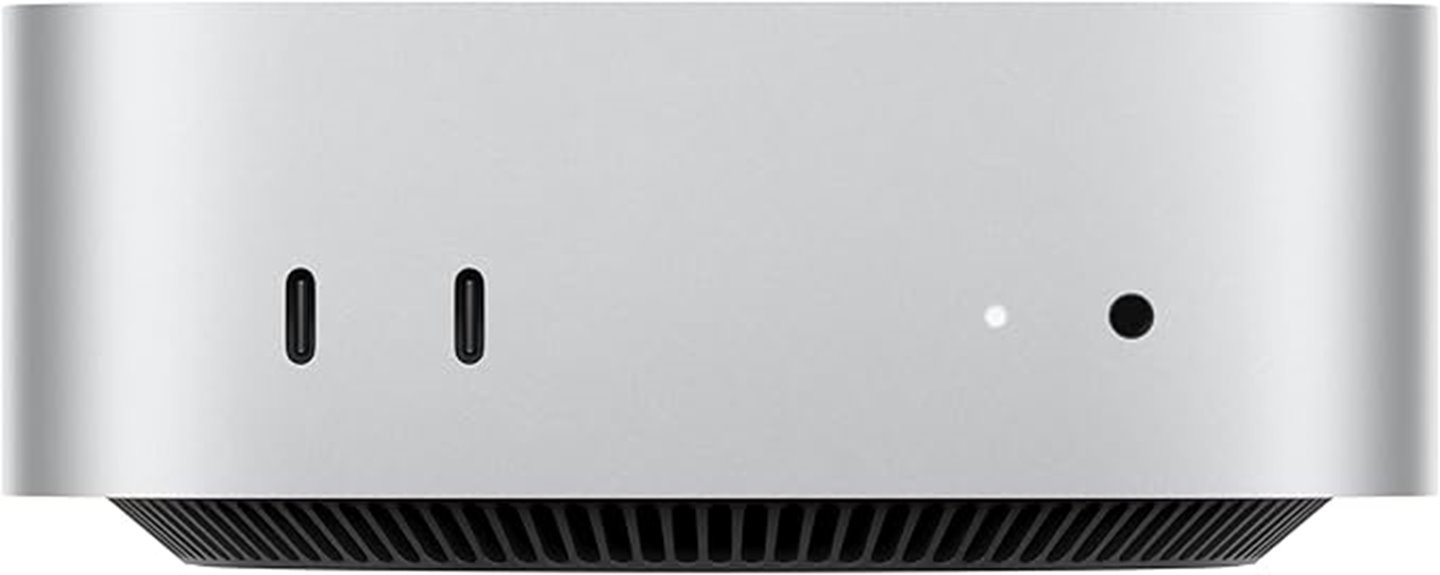
If you’re looking for a compact yet powerful option for 3D rendering and simulation, the Apple 2024 Mac mini with M4 chip is an excellent choice. Its small five-by-five-inch design lets you place it almost anywhere, yet it packs impressive performance with a 10-core CPU and GPU. With 24GB of unified memory and a 512GB SSD, multitasking and large project handling are smooth. Connectivity options like Thunderbolt, HDMI, and USB-C make expansion easy. Built for Apple Intelligence, it enhances productivity and security, seamlessly integrating with your Apple devices. Plus, it’s environmentally friendly and optimized for professional creative apps.
Best For: professionals and creatives needing a compact, powerful desktop for 3D rendering, simulation, and multitasking within the Apple ecosystem.
Pros:
- Compact design fits seamlessly into any workspace without sacrificing performance
- Powerful M4 chip with 10-core CPU and GPU ensures fast, fluid processing
- Ample 24GB unified memory and 512GB SSD provide efficient multitasking and storage
Cons:
- Limited upgrade options due to integrated hardware design
- May require additional peripherals for complete workstation setup
- Higher price point compared to other mini desktops with similar specs
Apple 2024 Mac mini Desktop Computer with M4 Pro chip with 12‑core CPU and 16‑core GPU: Built for Apple Intelligence, 24GB Unified Memory, 512GB SSD Storage, Gigabit Ethernet. Works with iPhone/iPad
SIZE DOWN. POWER UP — The far mightier, way tinier Mac mini desktop computer is five by five...
As an affiliate, we earn on qualifying purchases.
Apple 2024 Mac mini Desktop Computer with M4 Pro chip
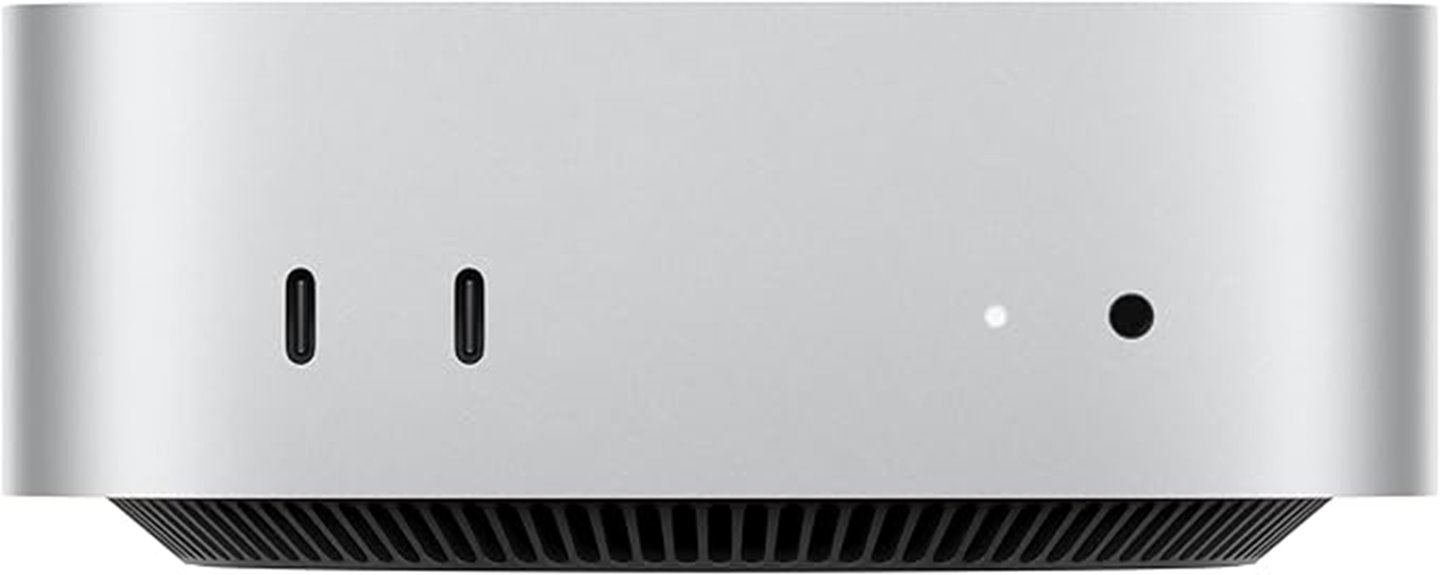
The Apple 2024 Mac mini with the M4 Pro chip stands out as an ideal choice for professionals who need a compact yet powerful machine for 3D rendering and simulation. Its small, sleek aluminum chassis fits easily into any workspace, yet its hardware is formidable. Powered by a 12-core CPU, a 16-core GPU with ray tracing, and up to 64GB of unified memory, it handles demanding tasks effortlessly. With support for up to three 6K displays and hardware-accelerated video encoding, it’s perfect for multitasking and complex projects. Plus, its environmental friendliness and seamless integration with Apple’s ecosystem make it a versatile, high-performance option.
Best For: professionals requiring a compact yet powerful computer for 3D rendering, simulation, and multitasking within the Apple ecosystem.
Pros:
- Compact design with a sleek aluminum chassis that fits seamlessly into any workspace
- Powerful hardware including a 12-core CPU, 16-core GPU with ray tracing, and up to 64GB of unified memory for demanding tasks
- Supports up to three 6K displays and hardware-accelerated video encoding for enhanced productivity
Cons:
- Limited upgradability due to sealed design and fixed hardware configurations
- Higher price point compared to some traditional desktops with similar specifications
- Limited port options on the front, which may require additional peripherals for extensive connectivity

Apple 2025 MacBook Pro Laptop with M5 chip with 10‑core CPU and 10‑core GPU: Built for Apple Intelligence, 14.2-inch Liquid Retina XDR Display, 24GB Unified Memory, 1TB SSD Storage; Space Black
SUPERCHARGED BY M5 — The 14-inch MacBook Pro with M5 brings next-generation speed and powerful on-device AI to...
As an affiliate, we earn on qualifying purchases.
Apple 2025 MacBook Pro Laptop with M5 Chip
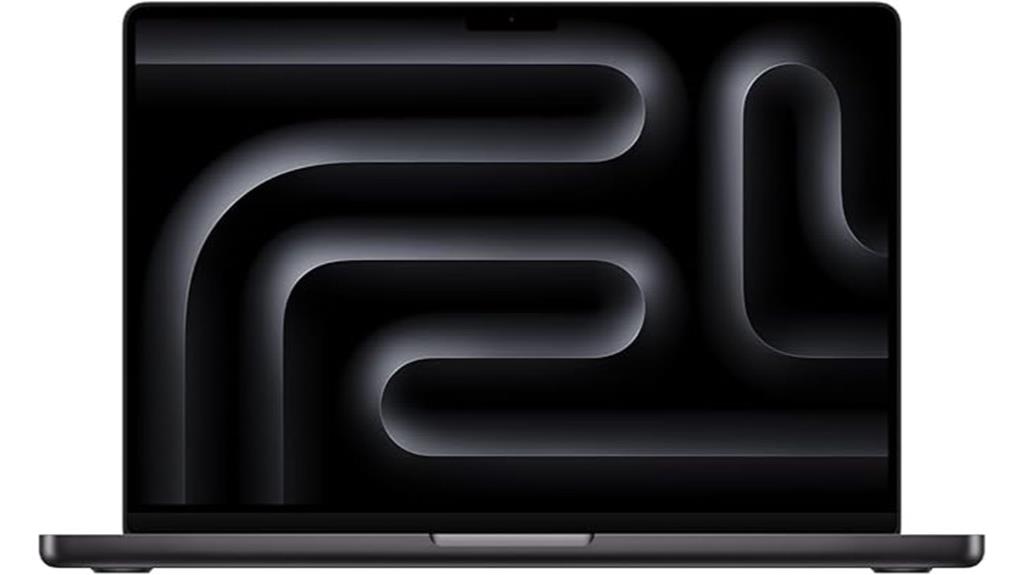
Designed for professionals who demand top-tier performance, the Apple 2025 MacBook Pro with M5 chip excels in 3D rendering and simulation tasks thanks to its powerful 10-core CPU and 10-core GPU. Its stunning 14.2-inch Liquid Retina XDR display delivers exceptional color accuracy and brightness, ideal for visual workflows. With 24GB of unified memory and hardware-accelerated ray tracing, it handles complex projects smoothly. The device’s lightweight design, extensive port selection, and all-day battery life make it versatile for on-the-go work. Coupled with seamless macOS integration and support for multiple high-resolution external displays, this laptop is a formidable tool for demanding creative tasks.
Best For: professionals and creatives who require high-performance computing, superior display quality, and extensive connectivity for demanding tasks like 3D rendering, video editing, and simulation.
Pros:
- Exceptional performance with a 10-core CPU and GPU, ideal for intensive workflows
- Stunning 14.2-inch Liquid Retina XDR display with excellent color accuracy and brightness
- Extensive port selection, including Thunderbolt 4, HDMI, SDXC, and MagSafe, for versatile connectivity
Cons:
- Relatively high weight at 3.41 pounds, which may impact portability for some users
- Premium price point reflecting high-end features and performance
- Limited to a 24GB unified memory configuration, which might be restrictive for extremely large projects
Apple 2025 MacBook Pro Laptop with M5 chip with 10‑core CPU and 10‑core GPU: Built for Apple Intelligence, 14.2-inch Liquid Retina XDR Display, 16GB Unified Memory, 512GB SSD Storage; Space Black
SUPERCHARGED BY M5 — The 14-inch MacBook Pro with M5 brings next-generation speed and powerful on-device AI to...
As an affiliate, we earn on qualifying purchases.
Apple 2025 MacBook Pro Laptop with M5 Chip

For professionals seeking a powerful, portable workstation, the Apple 2025 MacBook Pro with M5 Chip stands out with its cutting-edge hardware and exceptional performance. It features a 10-core CPU and GPU, neural engines, hardware-accelerated ray tracing, and 153GB/s memory bandwidth, ensuring smooth handling of demanding 3D rendering and simulations. The 14.2-inch Liquid Retina XDR display delivers stunning visuals with high contrast and brightness, supporting multiple high-resolution external displays. With up to 24 hours of video playback and fast charging, it’s perfect for on-the-go work. Its seamless integration with macOS and Apple’s ecosystem makes it a versatile, efficient choice for creative professionals.
Best For: Creative professionals and power users who need a portable yet highly capable workstation with advanced graphics, high-resolution display, and seamless ecosystem integration.
Pros:
- Exceptional performance with a 10-core CPU and GPU, ideal for demanding tasks like 3D rendering and simulations.
- Stunning 14.2-inch Liquid Retina XDR display with high contrast, brightness, and support for multiple high-resolution external monitors.
- Long battery life of up to 24 hours with fast charging, perfect for on-the-go productivity.
Cons:
- Premium price point may be prohibitive for some users.
- Limited to 16GB of unified memory, which might be insufficient for extremely heavy multitasking or professional workloads.
- Heavier and bulkier compared to more compact ultrabooks, potentially impacting portability for some users.
Apple MacBook Pro 2024 with M4 Pro, 14-inch Liquid Retina XDR Display
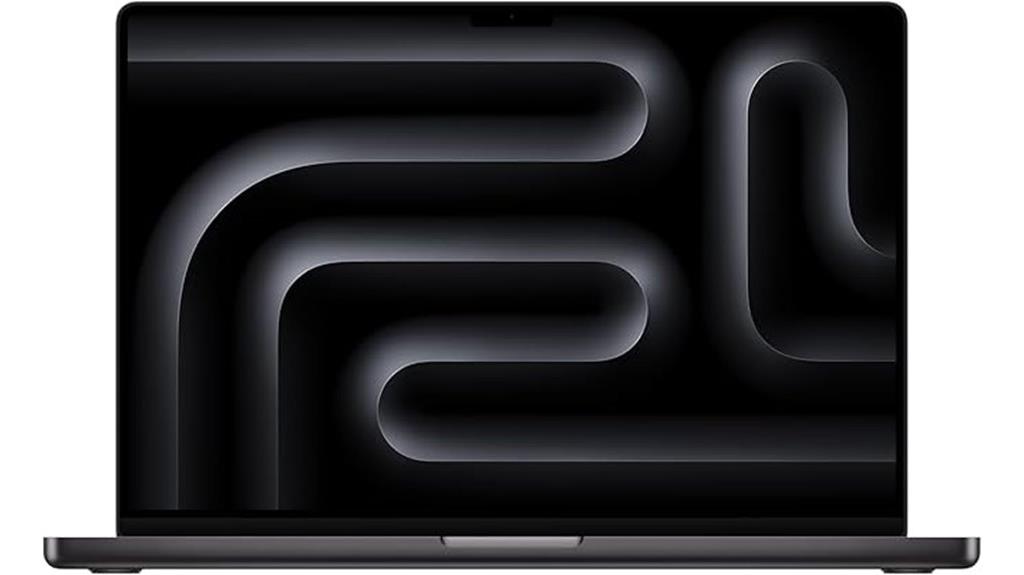
If you need a portable powerhouse for 3D rendering and simulation, the Apple MacBook Pro 2024 with M4 Pro delivers exceptional performance in a sleek 14-inch package. Its stunning 16.2-inch Liquid Retina XDR display offers up to 1600 nits peak brightness and a 1,000,000:1 contrast ratio, perfect for detailed visual work. Powered by the M4 Pro chip, it handles intensive tasks like 3D rendering effortlessly, while supporting up to two external displays. With 48GB of unified memory and a fast 512GB SSD, it ensures smooth workflow and quick access to files. This model combines portability, power, and incredible display quality for demanding creative professionals.
Best For: creative professionals and power users who need a portable yet high-performance laptop for tasks like 3D rendering, simulation, and detailed visual work.
Pros:
- Exceptional 16.2-inch Liquid Retina XDR display with high brightness and contrast for stunning visuals
- Powerful M4 Pro chip handling demanding workloads with ease
- Supports multiple external displays and features extensive connectivity options
Cons:
- Relatively heavy at 4.71 pounds, which may impact portability for some users
- Premium price point suitable for professionals but less accessible for casual users
- Limited storage options starting at 512GB SSD, which may require upgrades for large data needs
Apple 2024 Mac mini Desktop Computer with M4 Chip

The Apple 2024 Mac mini with the M4 chip stands out as an ideal choice for those seeking a compact yet powerful workstation for 3D rendering and simulation. Its small footprint, just 5 inches square, packs a 10-core CPU, 10-core GPU, and a 16-core Neural Engine, delivering impressive performance. With up to 32GB of unified memory and fast SSD storage, it handles demanding tasks smoothly. Supporting multiple high-resolution displays and hardware-accelerated video codecs, it’s perfect for rendering workflows. Its environment-friendly, carbon-neutral design adds appeal. Overall, the Mac mini offers incredible computing power in a tiny package, making it a versatile, space-saving option for professional 3D artists.
Best For: professionals and enthusiasts seeking a compact, high-performance workstation for 3D rendering, simulation, and demanding multimedia workflows.
Pros:
- Compact size with powerful M4 chip delivering impressive performance for demanding tasks
- Supports multiple high-resolution displays and hardware-accelerated video codecs for efficient rendering and media processing
- Environmentally friendly design that is carbon neutral and space-saving
Cons:
- Limited internal storage options may require external solutions for large projects
- Only three display support, which might be restrictive for extremely multi-monitor setups
- No dedicated GPU, which could impact performance in certain specialized professional applications
Apple MacBook Pro 2024 with M4 Max, 14.2-inch Liquid Retina XDR Display
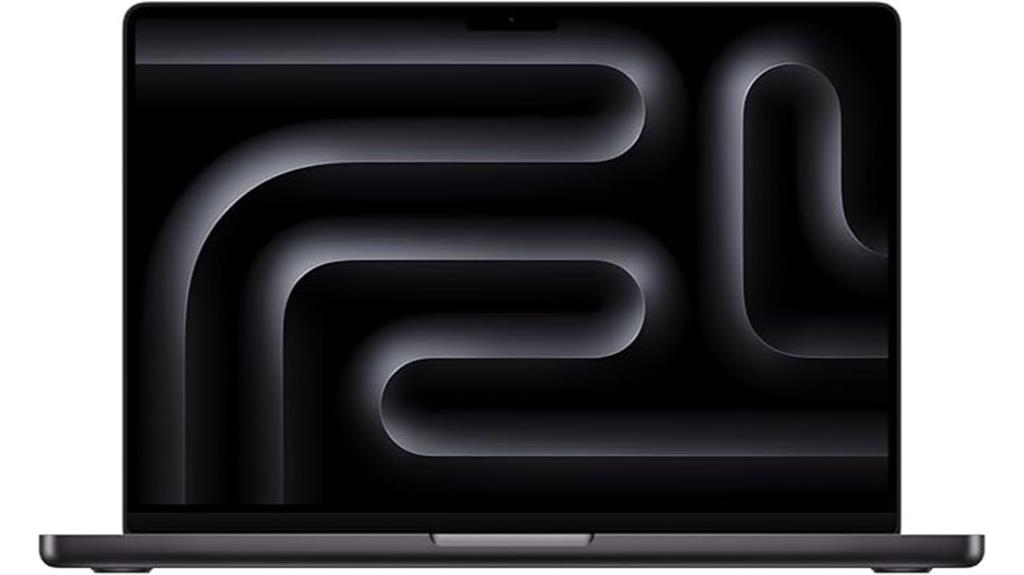
Creativity and demanding workflows come to life on the Apple MacBook Pro 2024 with M4 Max, thanks to its powerful chip and stunning display. The M4 Max handles complex tasks like 3D rendering effortlessly, while the 14.2-inch Liquid Retina XDR offers vibrant visuals with a 1600 nits peak brightness and a 1,000,000:1 contrast ratio. Its deep Apple ecosystem integration makes multitasking seamless—mirror iPhone, send messages, or answer FaceTime calls effortlessly. With 36GB of unified memory, 1TB SSD, and connectivity options like Thunderbolt 5 and HDMI, this MacBook Pro is a versatile, portable powerhouse for professional creative work.
Best For: creative professionals and power users seeking a high-performance laptop with a stunning display and seamless ecosystem integration.
Pros:
- Exceptional performance with M4 Max chip capable of handling demanding workflows like 3D rendering and intensive multitasking.
- Bright, vibrant 14.2-inch Liquid Retina XDR display with high contrast and peak brightness for professional visuals.
- Deep integration with Apple ecosystem features such as mirroring iPhone, messaging, and FaceTime for seamless multitasking.
Cons:
- Higher price point may be a barrier for some users.
- Limited to maximum support for four external displays with M4 Max, which might be restrictive for certain multi-monitor setups.
- Heavier and potentially less portable than smaller or lighter laptops, which could impact mobility.
Apple Mac mini Desktop Computer with M4 Chip (2024)
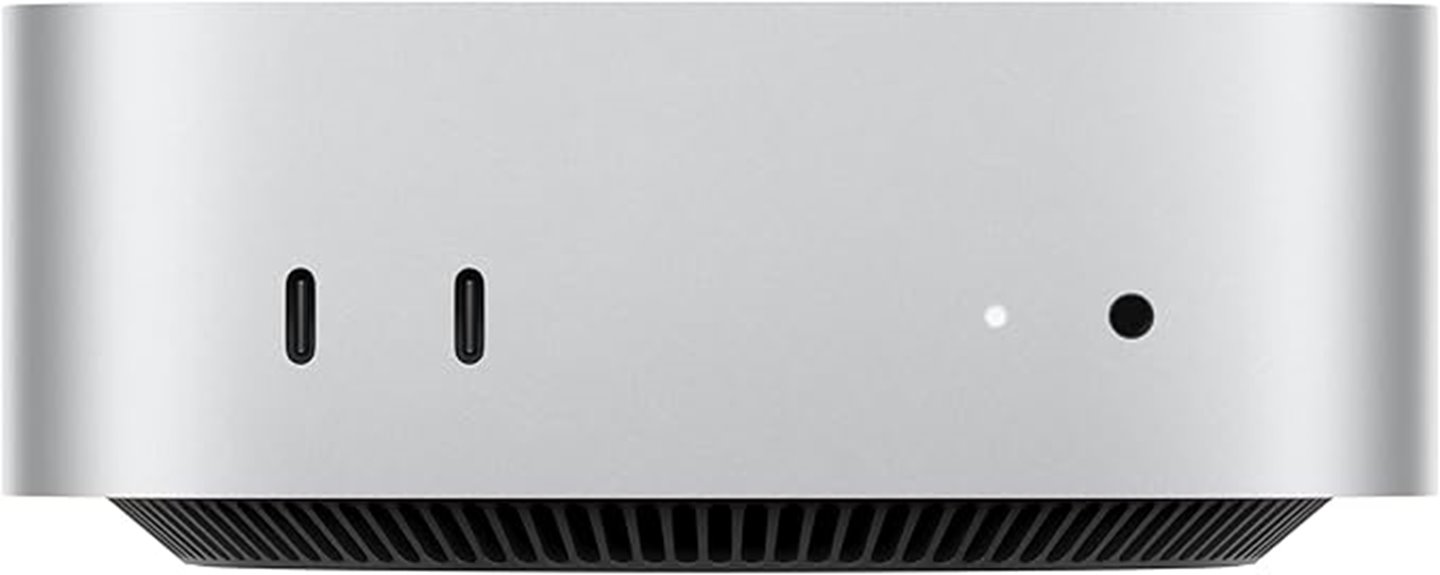
For users seeking a compact yet powerful workstation, the Apple Mac mini with M4 chip (2024) delivers impressive performance in a tiny footprint. Its five-by-five-inch design easily fits next to monitors or in tight spaces, yet it packs a 10-core M4 CPU, 10-core GPU, and a 16-core Neural Engine. With up to 32GB of unified memory and fast 120GB/s bandwidth, it handles demanding tasks smoothly. Connectivity includes Thunderbolt 4, HDMI, and multiple USB-C ports, supporting up to three displays. Built around macOS, it integrates seamlessly with Apple’s ecosystem. Despite its small size, this Mac mini offers a powerful, efficient solution for 3D rendering and simulation needs.
Best For: professionals and creatives who need a compact, powerful workstation capable of handling demanding tasks like 3D rendering, simulation, and multimedia editing with seamless integration into the Apple ecosystem.
Pros:
- Compact and lightweight design fits easily in tight spaces or next to monitors
- Powerful M4 chip with 10-core CPU and GPU delivers high performance for demanding applications
- Supports up to three displays, including dual 6K/5K and 8K/4K configurations
Cons:
- Limited upgrade options for memory and storage after purchase
- Higher price point compared to other small-form-factor desktops with similar specs
- Lacks dedicated graphics card, which may impact performance for certain high-end tasks
Apple 2024 MacBook Pro Laptop with M4 Max
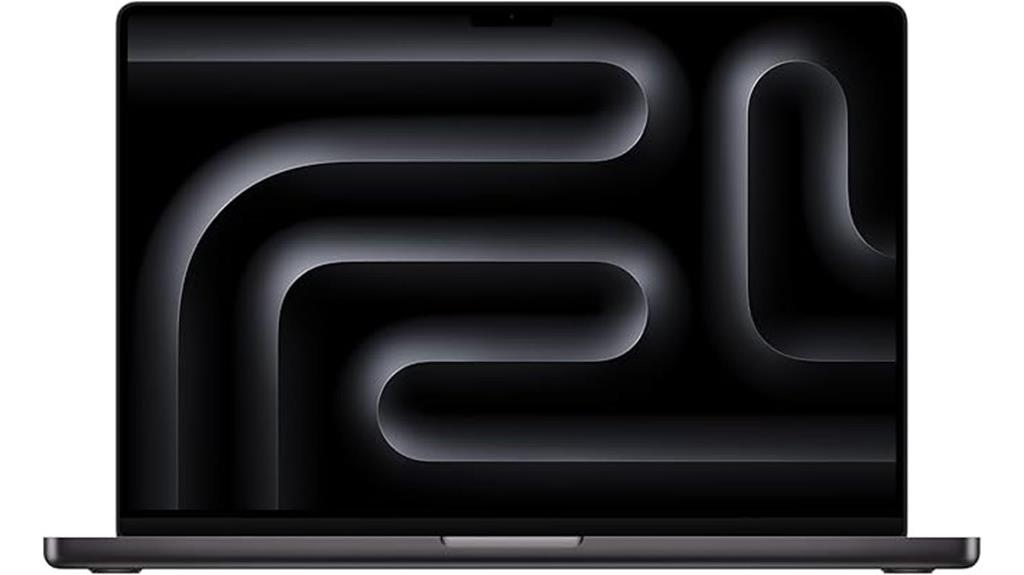
If you’re tackling demanding 3D rendering and simulation tasks, the Apple 2024 MacBook Pro with M4 Max stands out thanks to its powerful processor and advanced graphics capabilities. It features a 16-core CPU and a 40-core GPU with hardware-accelerated ray tracing, making complex rendering smooth and fast. With up to 48GB of unified memory and a 1TB SSD, it handles large projects effortlessly. The stunning 16.2-inch Liquid Retina XDR display offers exceptional color accuracy and HDR support, perfect for visual work. Its extensive ports, long battery life, and seamless Apple ecosystem integration make it a top contender for professionals needing portable power and performance.
Best For: professionals and creatives who require powerful portable computing for demanding tasks like 3D rendering, video editing, and complex simulations.
Pros:
- Exceptional performance with M4 Max chip, 16-core CPU, and 40-core GPU for demanding workloads
- Stunning 16.2-inch Liquid Retina XDR display with high color accuracy and HDR support
- Extensive connectivity options including Thunderbolt 5, HDMI, SDXC, and long battery life for all-day use
Cons:
- Premium price point may be a barrier for some users
- Heavy and large compared to ultra-portable laptops
- Limited upgradeability beyond initial configuration
Apple 2024 MacBook Pro Laptop with M4 Pro, 12-core CPU, 16-core GPU

The Apple 2024 MacBook Pro with M4 Pro, featuring a 12-core CPU and 16-core GPU, stands out as an ideal choice for professionals tackling demanding 3D rendering and simulation tasks. Its powerful M4 Pro chip handles intensive workloads seamlessly, from compiling complex code to rendering detailed 3D scenes. The 14.2-inch Liquid Retina XDR display delivers vivid visuals with up to 1600 nits of brightness, perfect for detailed work. With 24GB of unified memory and fast SSD storage, it ensures smooth multitasking and quick data access. Its sleek design, lightweight build, and robust battery life make it a versatile, portable workstation ready for high-performance tasks.
Best For: professionals and creatives who require high-performance computing for tasks like 3D rendering, simulation, and intensive coding workflows.
Pros:
- Equipped with a powerful M4 Pro chip featuring a 12-core CPU and 16-core GPU for demanding applications.
- Stunning 14.2-inch Liquid Retina XDR display provides vivid visuals and up to 1600 nits of brightness.
- Lightweight and portable design with all-day battery life, ideal for on-the-go productivity.
Cons:
- Premium price point may be a barrier for some users.
- Limited to 512GB SSD storage, which might require external solutions for large data needs.
- The sleek Space Black finish, while stylish, may show fingerprints and smudges more readily.
Factors to Consider When Choosing a Mac Pro for 3D and Simulation
When selecting a Mac Pro for 3D rendering and simulation, I focus on key factors like processor power, GPU capabilities, and memory size to guarantee smooth performance. Storage options and connectivity also matter, as they affect data management and expandability. By considering these points, you can choose a model that meets your specific workflow needs effectively.
Processor Power
Choosing the right processor for a Mac Pro dedicated to 3D rendering and simulation is essential, as it directly impacts performance and efficiency. A higher core count, like 12 or more cores, considerably boosts rendering speeds and handles complex simulations better. Features like hardware-accelerated ray tracing and advanced media engines further improve visual fidelity and speed. A faster clock speed (measured in GHz) ensures quick calculations, reducing lag during demanding tasks. Multiple performance cores enable efficient multitasking and handling large, resource-intensive models simultaneously. The latest processors, such as the M4 Max or equivalent, offer increased memory bandwidth and better thermal management, guaranteeing sustained high performance over long periods. Prioritizing these processor features helps you achieve smoother workflows and faster results in 3D projects.
GPU Capabilities
A powerful GPU can make or break your experience with 3D rendering and simulations on a Mac Pro. With hardware-accelerated ray tracing, rendering speeds improve dramatically, and visual fidelity reaches new heights. Supporting multiple high-resolution displays, like 6K or 8K, depends directly on GPU capabilities, allowing detailed visualization and complex workflows. A GPU with a high core count, such as 16 cores, offers the parallel processing power needed for real-time rendering and intensive simulations. Features like dedicated media engines accelerate video decoding and encoding, boosting productivity in multimedia-heavy projects. Compatibility with professional graphics APIs like Metal ensures optimized performance and stability across 3D applications and simulation software. Selecting a GPU with these capabilities is vital for professional-grade 3D work on a Mac Pro.
Memory Size
The amount of memory in your Mac Pro considerably influences your ability to handle complex 3D models and large simulation files efficiently. Larger memory sizes, such as 48GB or more, allow for smoother operation when working with high-resolution textures, detailed scenes, and real-time rendering. Increasing RAM reduces the need for disk swapping, which speeds up rendering and simulation times substantially. For professional workflows, 24GB or higher memory is recommended to run multiple demanding applications simultaneously without lag. Memory capacity directly impacts your ability to manage expanding project complexity and maintain productivity. Configuring the maximum supported memory ensures you’re future-proof and prepared for evolving project demands. Fundamentally, choosing ample RAM is vital for optimized performance in demanding 3D and simulation tasks.
Storage Options
When choosing a storage solution for a Mac Pro geared toward 3D rendering and simulation, it’s essential to take into account the maximum capacity available, such as options up to 8TB or more, to accommodate large files and extensive project data. I prioritize SSD-based storage because faster read/write speeds considerably improve workflow efficiency when handling complex tasks. It’s also important to check if the storage can be expanded later, providing flexibility as my projects grow. I look for models with multiple internal storage options to support different workflows and data management needs. Finally, I balance capacity with cost, ensuring I get enough space without overspending. This approach helps me stay productive and organized, even with demanding 3D rendering and simulation workloads.
Connectivity Flexibility
Connectivity flexibility plays a critical role in optimizing a Mac Pro for 3D rendering and simulation. I look for models with multiple high-speed Thunderbolt ports, like Thunderbolt 4 or 5, to connect multiple external devices without bottlenecks. HDMI and SDXC card slots are essential for versatile input and output, supporting diverse workflows. USB-C ports supporting USB 3.2 or USB 4 ensure fast data transfer and seamless peripheral connections. High-bandwidth network options, such as Gigabit or 10Gb Ethernet ports, are indispensable for remote collaboration and handling large data transfers efficiently. Additionally, flexible external display support—multiple high-resolution monitors through Thunderbolt and HDMI—is key for detailed visualization and multitasking. Prioritizing connectivity options guarantees my Mac Pro can handle complex projects effortlessly.
Display Support
Choosing a Mac Pro for 3D rendering and simulations requires careful attention to display support, especially since detailed visuals demand high resolution and multiple screens. First, verify the Mac Pro can handle several external displays, ideally up to 8K resolution via Thunderbolt or HDMI, which is vital for detailed modeling. Native support for high-resolution monitors through DisplayPort 1.4 over USB-C or Thunderbolt is essential for clear, crisp visuals. Consider how many displays the system can support simultaneously, as multi-monitor setups boost productivity and workflow. Additionally, look for adaptive refresh rate technology like ProMotion, which provides smoother visuals during intense design work. Finally, confirm HDR compatibility, including formats like Dolby Vision, to maintain accurate color and contrast essential for visual fidelity.
Software Compatibility
Ensuring your Mac Pro supports the latest versions of your preferred 3D and simulation software is essential for smooth workflow and peak performance. I always check compatibility with programs like Autodesk Maya or Blender, making sure they run seamlessly on the latest macOS. It’s also imperative that the hardware and OS meet the minimum requirements for professional tools like ANSYS or COMSOL Multiphysics. The GPU, such as the 40-core GPU in the M4 Max, must deliver enough acceleration for rendering and real-time simulations. Additionally, I verify if the software offers optimized or native support for Apple Silicon, which can substantially boost performance. Finally, I guarantee that necessary plugins, extensions, or hardware integrations are compatible with the Mac Pro, avoiding any workflow interruptions.
Frequently Asked Questions
How Do Mac Pro Models Compare in Thermal Performance During Intensive Rendering?
I’ve found that Mac Pro models generally handle thermal performance well during intensive rendering, thanks to their advanced cooling systems. The newer models, especially with larger fans and better heat dissipation, stay cooler under heavy loads. I’ve noticed that they maintain performance without throttling, even during long rendering sessions. Overall, they’re reliable for demanding tasks, but keeping an eye on airflow and ambient temperature still helps optimize their thermal efficiency.
What Is the Optimal RAM Capacity for High-Resolution 3D Simulations?
For high-resolution 3D simulations, I recommend at least 128GB of RAM. This capacity allows me to handle complex models, textures, and multiple layers without slowing down. If I’m working on very large projects, I consider upgrading to 256GB for even smoother performance. More RAM helps me multitask efficiently, reduces lag, and guarantees my system keeps up with demanding rendering tasks, making my workflow much more seamless.
Are External GPUS Beneficial for Mac Pro 3D Rendering Workflows?
External GPUs can be a game-changer for my Mac Pro 3D rendering workflows, especially when I need extra power without upgrading my entire system. They boost rendering speed and handle demanding textures more efficiently. I’ve found that choosing a high-quality eGPU with a robust graphics card markedly improves performance, making complex simulations and high-res renders quicker and more seamless, ultimately saving me time and boosting productivity.
How Does Storage Speed Impact Large Project Rendering Times on Mac Pros?
Storage speed substantially affects my large project rendering times on Mac Pros. Faster SSDs reduce data transfer bottlenecks, allowing my projects to load quickly and rendering to proceed smoothly without delays. When I use high-speed storage options, I notice a marked improvement in workflow efficiency. Investing in NVMe SSDs or similar fast storage solutions is essential for handling complex 3D renders and simulations effectively.
Which Mac Pro Configurations Offer the Best Balance of Cost and Performance?
If you’re looking for the best balance of cost and performance, I recommend the Mac Pro with the M2 Ultra chip, 64GB of RAM, and a 1TB SSD. It delivers excellent power for demanding 3D rendering and simulations without pushing the budget too high. I find this setup offers a great mix of speed, expandability, and value, making it ideal for professional workflows that require high performance.
Conclusion
So, there you have it—your shiny new Mac Pro awaits, ready to handle 3D chaos and simulation mayhem. Just remember, no matter how powerful your machine, it’s still probably smarter than your latest project’s complexity. In the end, maybe the real upgrade is learning patience… or just blaming the software. Either way, with these models, you’re pretty much set to conquer the digital universe—until the next shiny thing comes along.