To spot hidden potassium hunger in your crops, regularly monitor leaf margins for browning or curling, especially on older leaves. Watch for reduced growth, weaker stems, and poor fruit development, which often signal deficiency signs before visible symptoms appear. Soil testing is essential to identify low potassium levels early and guide targeted corrections. Staying vigilant and proactive helps prevent yield losses. Keep exploring to discover more ways to detect and manage hidden nutrient shortages effectively.

Prime made for students and young adults
- Fast, free delivery for dorm and study essentials
- Prime Video and Amazon Music included
- Member-only deals
Key Takeaways
- Regular soil testing detects low potassium levels before visible symptoms appear.
- Watch for subtle signs like marginal leaf scorching or browning on older leaves.
- Monitor crop growth, stem strength, and fruit development for early indicators of deficiency.
- Correct deficiencies promptly with targeted fertilizers based on soil test results.
- Consistent crop observation and soil health management prevent hidden potassium shortages.
Potassium is essential for healthy crop growth, yet its deficiency often goes unnoticed because the symptoms can be subtle or mistaken for other issues. As a grower, you might overlook early signs of potassium hunger, making it harder to address the problem before it affects your yields. The key to catching this hidden nutrient deficiency begins with soil testing. Regular testing helps you understand the nutrient profile of your soil, revealing whether potassium levels are adequate or they’re running low. Without this critical step, you risk missing the early indicators of deficiency, which can manifest in ways that resemble other problems like drought stress or pest damage.
Early detection of potassium deficiency relies on soil testing and careful crop observation.
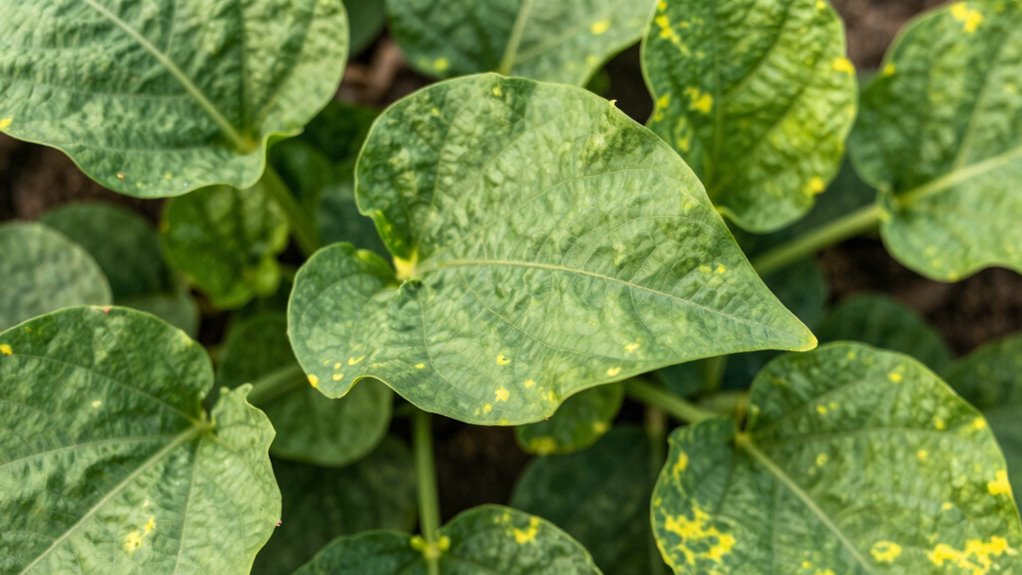
When your soil tests show low potassium levels, you should act promptly to correct the imbalance. But even if tests aren’t available, being aware of the subtle signs in your crops can help you identify nutrient deficiencies early. For example, crops with potassium hunger often display leaf symptoms such as marginal scorching or browning, especially on older leaves. These symptoms can be mistaken for disease or environmental stress, but they’re often linked to nutrient shortages. You might also notice reduced growth, weaker stems, or poor fruit and grain development, all of which point to a possible nutrient deficiency, including potassium. Monitoring and maintaining soil health is crucial for preventing deficiencies and ensuring healthy crop development.
Understanding how to spot these signs requires paying close attention to your crops’ appearance and growth patterns. Nutrient deficiency symptoms can be subtle at first, so it’s essential to monitor your plants regularly. When you notice unusual browning or curling at the leaf margins, consider testing your soil or tissue samples. Nutrient deficiencies, especially potassium, can lead to compromised cell function, which affects the plant’s ability to transport water and nutrients efficiently. This can result in stunted growth or poor yields, even if the above-ground symptoms seem minor. Additionally, the impact of fuel injection cleaning on engine efficiency underscores the importance of addressing issues early before they escalate and cause more significant problems. Recognizing the importance of soil testing in diagnosing deficiencies can help you take targeted corrective actions and avoid unnecessary fertilizer applications.
Addressing a potassium deficiency isn’t just about applying fertilizer blindly; it’s about diagnosing the problem accurately. Soil testing helps you determine the exact nutrient levels, preventing over-application and ensuring your crops get what they need. If tests confirm low potassium, applying a suitable fertilizer or soil amendment tailored to your crop’s needs can restore balance. Remember, early detection based on keen observation and soil testing is your best strategy to prevent minor deficiencies from turning into major yield losses. By staying vigilant and informed, you can keep your crops healthy and productive, avoiding the costly consequences of overlooked nutrient deficiencies. Proper soil health management is essential for maintaining optimal crop growth and avoiding hidden deficiencies.
As an affiliate, we earn on qualifying purchases.
Frequently Asked Questions
How Does Potassium Deficiency Affect Crop Yield Quality?
Potassium deficiency can reduce your crop yield quality by causing weak stems, poor fruit development, and increased disease susceptibility. Nutrient interactions mean that a lack of potassium may hinder nutrient uptake, affecting overall plant health. To prevent this, you should implement effective fertilizer strategies that include potassium-rich inputs, ensuring balanced nutrients. This proactive approach helps maintain peak crop quality and maximizes your harvest potential.
Can Soil Testing Accurately Predict Potassium Deficiency?
Yes, soil testing can accurately predict potassium deficiency when you consider soil composition and testing accuracy. For example, a farm in Iowa used precise testing methods, revealing low potassium levels despite normal appearance, allowing targeted fertilization. Accurate tests analyze soil samples for potassium content, providing reliable data. However, factors like sampling depth and timing can influence results, so using reputable labs and proper procedures guarantees you get the most accurate predictions.
Are There Specific Crops More Prone to Hidden Potassium Hunger?
Certain crop varieties, like potatoes and tomatoes, are more prone to hidden potassium hunger because their nutrient interactions make them sensitive to potassium deficiencies. These crops often show subtle symptoms, so you need to pay close attention to their growth patterns. Understanding how different crop varieties respond to nutrient interactions helps you identify hidden deficiencies early, ensuring you adjust fertilization practices for best yield and crop health.
What Are Common Symptoms Mistaken for Potassium Deficiency?
Think of your crops as silent storytellers; their leaf discoloration and root stunting often whisper clues. These symptoms are commonly mistaken for other deficiencies but could signal hidden potassium hunger. If leaves turn yellow or show marginal browning, and roots are stunted, it’s time to dig deeper. Recognizing these signs helps you act before yield loss, ensuring your crops thrive in their silent struggle for essential nutrients.
How Often Should Potassium Levels Be Monitored During Growth?
You should monitor potassium levels regularly during crop growth, ideally through plant tissue analysis and foliar nutrient monitoring. During key growth stages, check every 2-4 weeks to catch deficiencies early. Consistent testing helps you identify subtle signs of potassium hunger before visible symptoms appear, ensuring timely interventions. This proactive approach keeps your crops healthy, maximizes yield potential, and prevents yield losses caused by hidden deficiencies.
crop leaf nutrient deficiency monitor
As an affiliate, we earn on qualifying purchases.
As an affiliate, we earn on qualifying purchases.
Conclusion
By paying close attention to subtle signs like leaf edges and growth patterns, you can detect hidden potassium deficiencies before they turn into a full-blown crisis. Don’t wait for a knight in shining armor—think of yourself as the modern-day farmer armed with knowledge. Regular soil tests and timely interventions are your best allies. Remember, even in the age of smartphones, old-school observation remains your trusty steed in keeping crops healthy and bountiful.
As an affiliate, we earn on qualifying purchases.
As an affiliate, we earn on qualifying purchases.
Halloween Picks
halloween
As an affiliate, we earn on qualifying purchases.