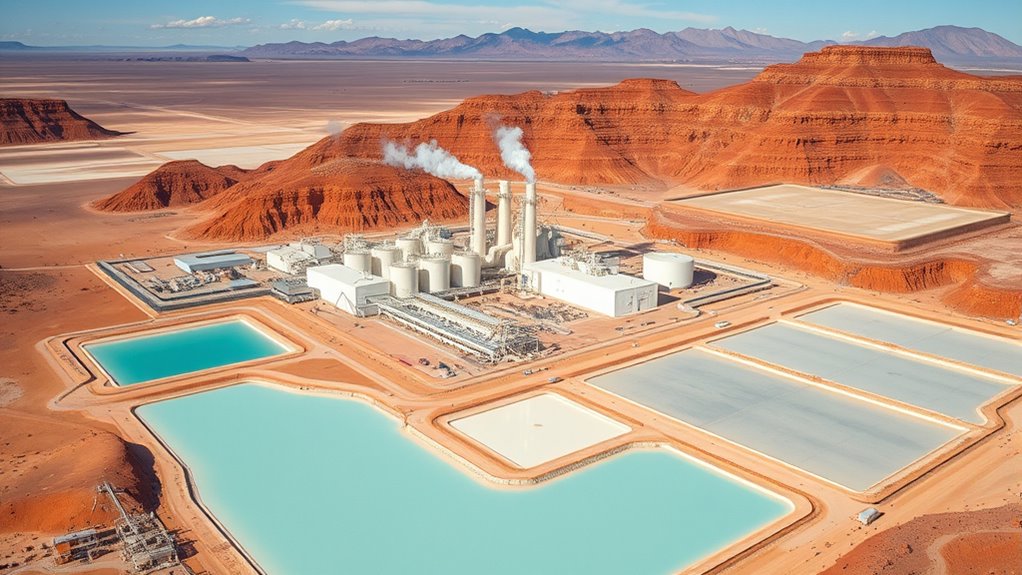

Potash mining and production can harm water sources, disrupt ecosystems, and impact local communities if not managed carefully. Chemicals and salts may leak into groundwater and rivers, risking health and aquatic life. Large land disturbances can displace wildlife, and water use can deplete supplies or alter natural flows. However, adopting responsible practices, monitoring water quality, and restoring habitats help reduce these impacts. Continue exploring to understand how sustainable methods can minimize environmental risks and protect ecosystems.
Key Takeaways
- Water contamination risks from chemicals and salts used during extraction can harm aquatic ecosystems and community health.
- Habitat disruption caused by land clearing and machinery affects wildlife and fragment ecosystems.
- Water management challenges include excessive consumption and potential depletion of local water sources.
- Continuous environmental monitoring and safeguards are essential to detect and mitigate water quality and habitat impacts.
- Implementing responsible mining practices and site restoration helps minimize ecological damage and promotes sustainability.
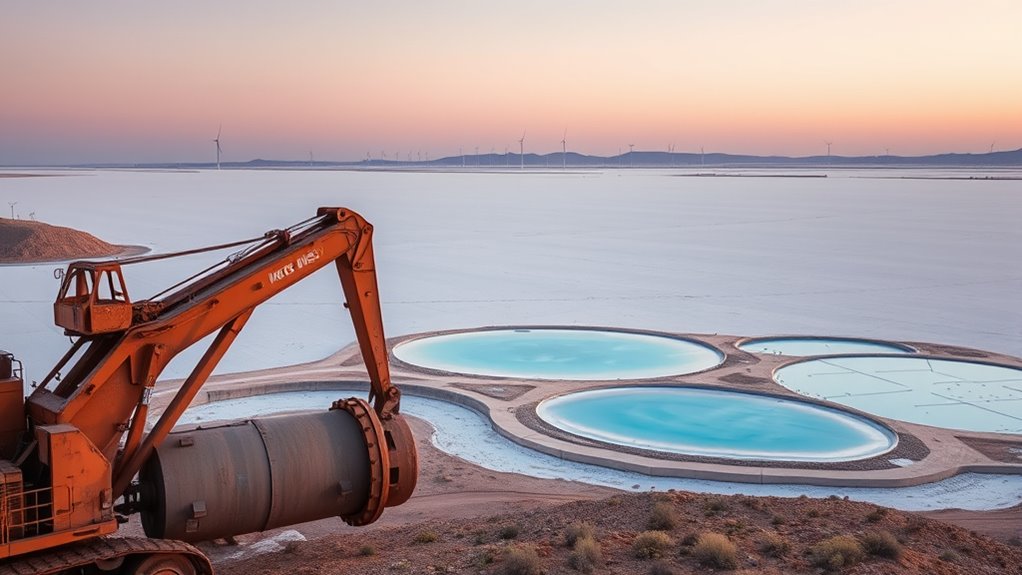
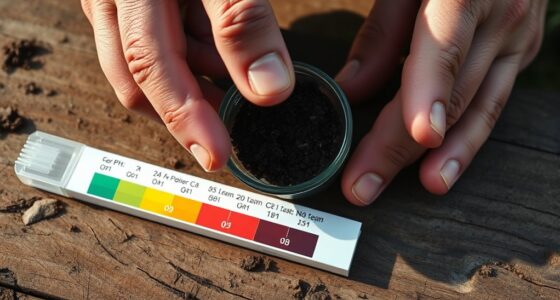
Potash mining and production can considerably impact the environment, so it’s essential to understand and manage these effects carefully. One of the most significant concerns is water contamination. During extraction and processing, chemicals and salts used in the mining process can seep into nearby water sources, risking contamination of groundwater, rivers, and lakes. If not properly controlled, these pollutants can harm aquatic life, disrupt ecosystems, and pose health risks to communities relying on these water supplies. You need to ensure that waste disposal and chemical handling procedures are strictly monitored to prevent leaks and spills. Implementing effective containment systems and regular testing can help catch potential issues before they escalate, safeguarding water quality in the surrounding environment.
Water contamination risks from chemicals and salts during potash mining require strict controls and regular testing to protect ecosystems.
Another critical aspect to consider is habitat disruption. Mining operations often require large-scale land disturbance, which can directly displace wildlife and destroy natural habitats. Clearing land for mining sites can fragment ecosystems, making it difficult for plants and animals to thrive. The noise, dust, and machinery associated with mining can further stress local fauna, pushing some species toward decline or forcing them to relocate. You should focus on minimizing land disturbance through careful planning and site selection, and where possible, restore disturbed areas after mining activities cease. This can involve replanting native vegetation, creating buffer zones, and designing operations that align with the natural landscape to reduce long-term ecological impacts. Additionally, adopting environmentally responsible practices can significantly lessen these impacts and promote ecological balance.
Furthermore, water management plays a crucial role in mitigating environmental harm. Mining companies often use large amounts of water, which can deplete local supplies and alter natural flow patterns. If water is diverted or excessively extracted, it can negatively affect downstream ecosystems and agricultural activities. You need to develop sustainable water use practices, such as recycling water within operations, to lessen the strain on local water resources. Proper management also involves treating wastewater before it’s released back into the environment, ensuring it doesn’t carry pollutants that could contribute to further water contamination.
In addition, ongoing monitoring is vital for early detection of environmental issues related to water contamination and habitat disruption. By continuously tracking water quality and ecosystem health, you can respond promptly to emerging problems and adjust practices accordingly. Overall, adopting responsible mining practices, utilizing modern technology for environmental safeguards, and engaging with local communities can significantly reduce the adverse effects of potash mining. Managing these environmental considerations not only protects the surrounding ecosystems but also ensures the sustainability of the industry for the future.

Bacteria Water Test Kit – 12 Tests Detects 50 Different Species of Coliform Bacteria, E.coli & All Bacteria | Home Test Kit for Well, Tap, Pool, Hot Tub & City Water | with Free Lab Analysis
【Complete Water Testing Kit】- The Funhaosta Bacteria Test Kit includes 12 culture plates, detailed testing instructions, a bacterial…
As an affiliate, we earn on qualifying purchases.
As an affiliate, we earn on qualifying purchases.
Frequently Asked Questions
How Does Potash Mining Impact Local Biodiversity?
Potash mining can profoundly impact local biodiversity by causing flora disturbance and habitat fragmentation. You might notice that plant life struggles to recover after mining activities, reducing available food and shelter for wildlife. Habitat fragmentation can isolate animal populations, making it harder for them to migrate or find mates. These changes threaten the delicate balance of ecosystems, emphasizing the importance of implementing sustainable mining practices to protect biodiversity.
What Are the Long-Term Ecological Risks of Potash Tailings?
You face long-term ecological risks from potash tailings, especially if containment fails. Contaminants can seep into soil and water, causing persistent pollution. This hampers ecological recovery, risking harm to wildlife and communities. Ensuring secure tailings containment is essential to prevent leaks and limit lasting damage. By managing tailings carefully, you can protect ecosystems and promote sustainable, safe, and sound mining practices.
How Is Water Reuse Managed in Potash Production?
You manage water reuse in potash production through efficient water recycling and effluent management systems. Recycling involves treating and reusing process water to reduce withdrawals from natural sources, while effluent management guarantees contaminants are properly treated before discharge. By implementing closed-loop systems and monitoring water quality, you minimize environmental impact, conserve water resources, and comply with regulations. This integrated approach helps sustain production while protecting surrounding ecosystems.
What Are the Atmospheric Emissions From Potash Processing?
You’ll notice that potash processing releases airborne particulates and greenhouse gases, impacting the atmosphere. These emissions come from material handling, crushing, and chemical reactions during processing. While measures like filtration and scrubbers help reduce particulate release, greenhouse gases such as CO₂ still escape, contributing to climate change. Managing atmospheric emissions involves balancing operational efficiency with environmental responsibility, ensuring that you minimize your environmental footprint while maintaining production goals.
Are There Any Renewable Energy Options for Potash Mining Operations?
You can incorporate renewable energy options like solar integration and wind power into potash mining operations. By installing solar panels on-site, you reduce reliance on fossil fuels and lower emissions. Wind power can supplement energy needs, especially in windy regions. These options make your operations more sustainable, cut costs over time, and minimize environmental impact. Embracing renewable energy helps you achieve a greener, more efficient potash mining process.
environmentally responsible mining habitat restoration supplies
As an affiliate, we earn on qualifying purchases.
As an affiliate, we earn on qualifying purchases.
Conclusion
So, next time you sprinkle some potash on your veggies, remember the breathtaking environmental spectacle behind it—water shortages, land destruction, and toxic waste. Who knew that nourishing your salad could come with such a glamorous ecological price tag? But hey, it’s just the planet’s health on the line, right? So go ahead, enjoy your fertilizer feast—after all, saving the environment is so overrated when you’ve got a bumper crop to harvest.

80M Long Range Fog Cannon Dust Control Sprayer, Mobile Dust Suppression Unit with Water Mist System for Construction Site Dust Control, Quarry, Mining, Recycling and Warehouse Applications
Special Reminder: This fog cannon machine is available in multiple models; the price is for reference only.For more…
As an affiliate, we earn on qualifying purchases.
As an affiliate, we earn on qualifying purchases.
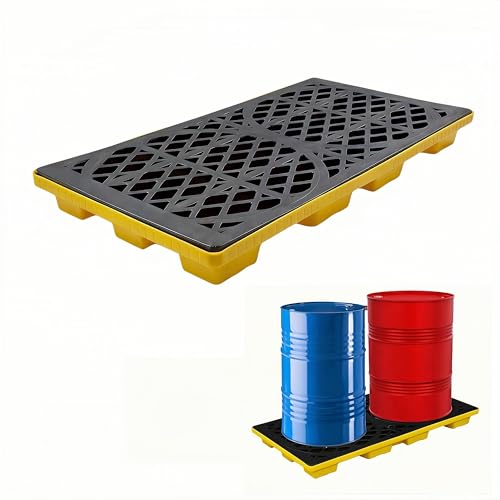
2-Drum Modular Spill Pallet, 2000 lbs Capacity, 48x24x4 Inches, Heavy-Duty Stackable Leakproof Tray for Industrial Oil and Basements
HEAVY-DUTY 2000LBS CAPACITY & CHEMICAL RESISTANCE – Industrial-grade polyethylene construction supports up to 2000lbs static load, resists oils/solvents/harsh…
As an affiliate, we earn on qualifying purchases.
As an affiliate, we earn on qualifying purchases.