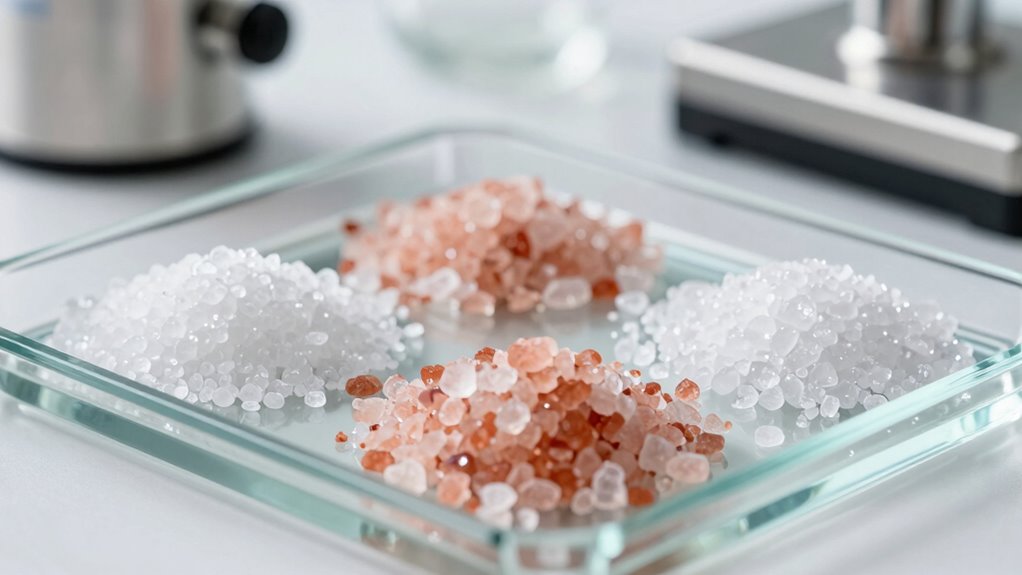

In food processing, you’ll find inorganic salts like sodium chloride (table salt) for preservation and flavor, calcium carbonate and calcium citrate as buffers, and potassium chloride as a low-sodium alternative. Magnesium sulfate helps with mineral fortification and pH control, while phosphates regulate acidity, moisture, and texture. These salts also improve color stability and extend shelf life. To discover how each plays an essential role in your food, keep exploring their functions and uses.
Key Takeaways
- Common inorganic salts used include sodium chloride, calcium carbonate, potassium chloride, magnesium sulfate, and phosphate salts.
- Sodium salts like sodium bicarbonate and sodium phosphate regulate pH and stabilize food products.
- Calcium salts such as calcium carbonate and calcium citrate are used for mineral fortification and pH buffering.
- Potassium salts, especially potassium chloride, serve as low-sodium alternatives and functional additives.
- Magnesium salts like magnesium sulfate contribute to mineral content and help control food pH levels.
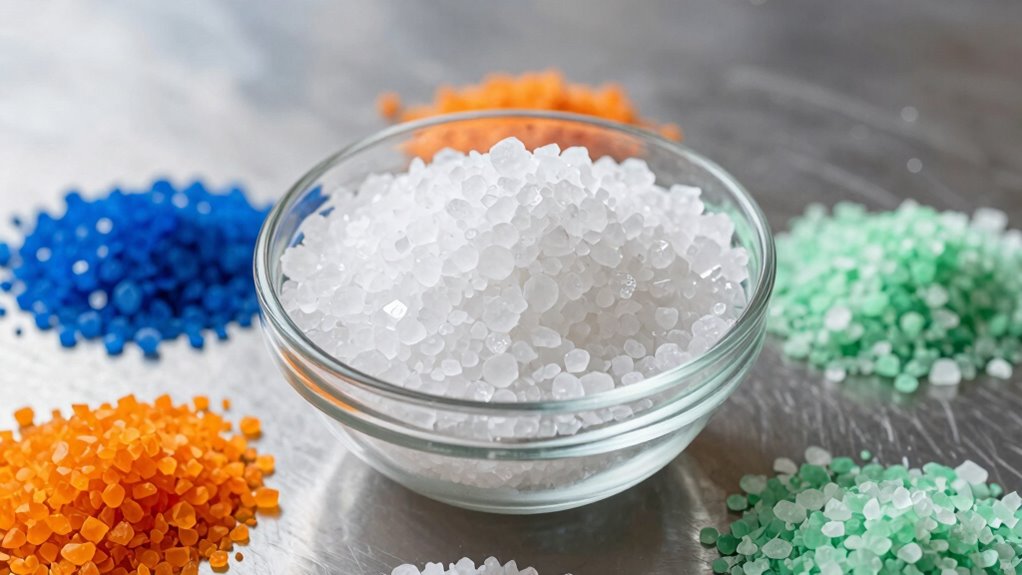
Inorganic salts play a critical role in food processing, serving functions that enhance flavor, improve texture, and guarantee safety. One key aspect is mineral fortification, where salts are added to boost the nutritional profile of foods. For example, adding iodine to salt helps prevent deficiency-related health issues, while calcium salts strengthen bones and teeth in dairy products. These mineral enhancements guarantee that consumers receive essential nutrients, especially in regions where diets may lack variety. Besides fortification, inorganic salts are essential for pH regulation, which is essential for maintaining the stability, safety, and quality of processed foods. Controlling pH prevents microbial growth and spoilage, guaranteeing products stay fresh longer. For instance, sodium bicarbonate acts as a buffer, neutralizing acidity in baked goods and beverages. Similarly, phosphates are used in meat processing to regulate pH, maintain moisture, and improve texture, making products more appealing and safer to consume. Color accuracy in the processing of certain foods can also be affected by inorganic salts, impacting the visual appeal and perceived freshness of products. Additionally, inorganic salts are involved in food safety by inhibiting the growth of harmful microorganisms. Sodium chloride, or common table salt, is the most widely used inorganic salt in food processing. It not only enhances flavor but also acts as a preservative by drawing moisture out of microbial cells, inhibiting their growth. Its ability to improve texture in cured meats and pickles makes it indispensable. Potassium salts, such as potassium chloride, are often used as salt substitutes for those on low-sodium diets, providing similar taste and functional qualities without the health risks associated with excess sodium. These salts are also essential for mineral fortification, especially in packaged foods aimed at populations with specific nutritional needs. Magnesium salts, like magnesium sulfate, find their place in food processing as both nutritional supplements and stabilizers. They contribute to mineral fortification for those needing additional magnesium intake and help control pH levels in certain food products. They also play a role in food preservation, helping extend shelf life and maintain quality. The addition of magnesium salts can influence the color stability of processed foods, ensuring they retain appealing visual qualities during storage. They contribute to mineral fortification for those needing additional magnesium intake and help control pH levels in certain food products. Calcium salts, including calcium carbonate and calcium citrate, serve dual roles: they enhance mineral content and act as buffering agents to maintain ideal pH levels. These salts are especially common in dairy products, baked goods, and beverages, where pH stability directly influences texture and safety.

Sodium Chloride ACS Grade – 99% High Purity Crystals, 500 Grams (1.1 lb)
ACS Grade Sodium Chloride
As an affiliate, we earn on qualifying purchases.
As an affiliate, we earn on qualifying purchases.
Frequently Asked Questions
Are Inorganic Salts Safe for All Individuals to Consume?
Inorganic salts are generally safe for most people, but you should be cautious if you have allergies or specific health conditions. Some salts, like sodium or potassium compounds, could impact your health if consumed excessively. Also, consider their environmental impact, as improper disposal can harm ecosystems. Always follow recommended intake levels, and consult a healthcare professional if you have concerns, especially regarding sensitive individuals or environmental effects.
How Are Inorganic Salts Regulated in the Food Industry?
Regulation rules rigorously restrict inorganic salts, ensuring safety and standards. You’ll find regulatory standards set by agencies like the FDA, which monitor permissible levels. Labeling requirements mandate clear disclosure of inorganic salts on ingredients lists, helping you make informed choices. These controls keep food safe, ensuring inorganic salts serve their purpose without posing health risks. Stay vigilant by checking labels, knowing that strict regulations are in place to protect your health.
Do Inorganic Salts Affect the Nutritional Value of Food?
Inorganic salts can affect the nutritional value of food, but mostly they serve as functional additives. They provide flavor enhancement and help with texture modification, making foods more appealing. While they may contribute some minerals, their primary role isn’t nutrition but improving taste and consistency. So, their impact on nutritional value is minimal, but they’re essential for achieving desired food qualities and ensuring product stability in processing.
Can Inorganic Salts Cause Allergic Reactions?
Yes, inorganic salts can cause allergic reactions, especially if you have salt hypersensitivity or mineral allergies. You might experience symptoms like skin rashes, swelling, or respiratory issues after consuming foods with certain inorganic salts, such as sodium or potassium compounds. If you’re sensitive, it’s essential to read food labels carefully and consult a healthcare professional to manage potential allergic reactions effectively.
Are Inorganic Salts Used in Organic Food Processing?
Inorganic salts act like silent guardians in organic food processing, quietly supporting natural preservation and flavor enhancement. While organic standards limit synthetic additives, some inorganic salts like potassium chloride or calcium carbonate are permitted, serving as natural preservatives or mineral supplements. You’ll find these salts working behind the scenes, helping organic foods stay fresh and tasty without compromising their natural integrity, all while maintaining the purity you seek.

NOW Foods Supplements, Calcium Carbonate Powder, High Percentage of Calcium, Supports Bone Health*, 12-Ounce
PURE POWDER/SUPPORTS BONE HEALTH*: Calcium Carbonate is a calcium supplement containing one of the highest concentrations of elemental…
As an affiliate, we earn on qualifying purchases.
As an affiliate, we earn on qualifying purchases.
Conclusion
In food processing, inorganic salts like sodium chloride, potassium nitrate, and calcium carbonate play essential roles. They help preserve, flavor, and improve texture in various products. Interestingly, sodium chloride alone accounts for about 70% of all salt used globally, highlighting its importance. By understanding these salts, you can appreciate how they guarantee food safety and quality, making your favorite foods more enjoyable and longer-lasting. Their use truly showcases the science behind everyday food preparation.
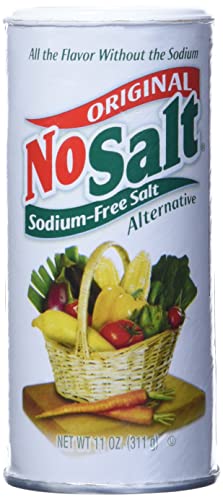
NoSalt Original Sodium-Free Salt Alternative, 11 oz
Convenient substitute for table salt
As an affiliate, we earn on qualifying purchases.
As an affiliate, we earn on qualifying purchases.

Pure Original Ingredients Epsom Salt Pure Magnesium Sulfate, Food Grade, Soaking Solution (1 Pound)
Pure Original Ingredients Epsom Salt is pure magnesium sulfate
As an affiliate, we earn on qualifying purchases.
As an affiliate, we earn on qualifying purchases.