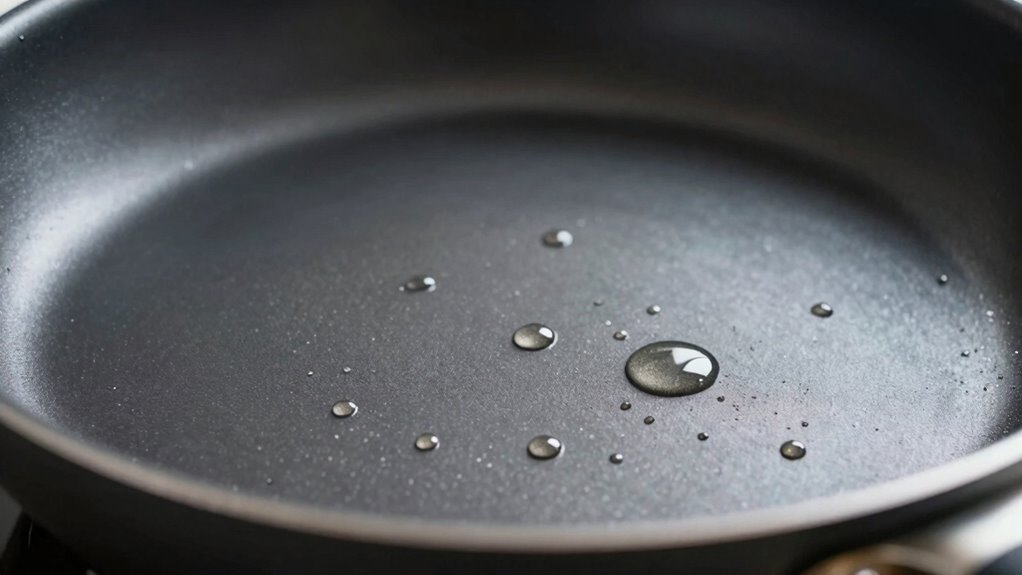
The science of nonstick cookware coatings involves advanced materials and surface engineering to guarantee durability, safety, and performance. Coatings like ceramic and PTFE are designed to resist scratches, high temperatures, and wear, with hybrid options offering improved longevity. Their chemical compositions influence how well they perform and how long they last under regular use. If you want to discover how these innovations keep your cookware reliable and safe, keep exploring the details behind their technology.

Get school and study supplies delivered free — and shop member deals
- Fast, free delivery on millions of items
- Access to Prime Big Deal Days deals on October 6–7
- Prime Video, Amazon Music and more included
Key Takeaways
- The chemical composition of coatings (e.g., ceramic, PTFE, hybrid) determines their heat resistance, durability, and safety.
- Advances in surface engineering improve the strength and longevity of nonstick surfaces against everyday wear.
- Coating material choices influence how coatings react to heat, utensils, and cleaning methods, affecting performance.
- Durability depends on both the coating’s chemical makeup and proper care, such as avoiding metal utensils.
- Ongoing research enhances coating safety, environmental impact, and resistance to scratches and high temperatures.
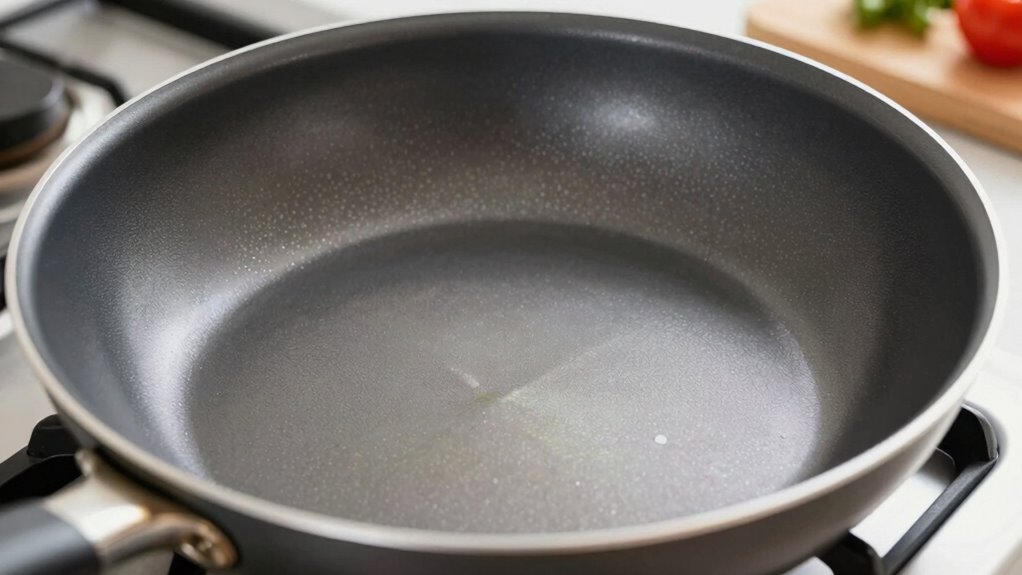
Nonstick cookware has become a staple in many kitchens because it makes cooking and cleaning much easier. When you use nonstick pans, you’re relying on specialized coatings that prevent food from sticking, saving you time and effort. But have you ever wondered what makes these coatings so effective? The answer lies in their surface durability and chemical composition. Surface durability is essential because it determines how well the coating withstands daily use, scratches, and high temperatures. A durable surface remains intact over time, ensuring your cookware continues to perform effectively, while a less durable coating might peel or degrade quickly, reducing its nonstick properties. Manufacturers develop these coatings to resist scratches from utensils and cleaning tools, but no coating is entirely scratch-proof. That’s why proper care, such as avoiding metal utensils, extends the life of your cookware. Understanding the chemical composition of these coatings also helps you choose the right cookware for your needs. For example, ceramic coatings, which are made from inorganic minerals, tend to be more heat-resistant and environmentally friendly, but they might not last as long as PTFE-based coatings under heavy use. Meanwhile, newer hybrid coatings combine the best features of different materials to improve surface durability without sacrificing ease of cleaning. Additionally, advancements in coating technology continue to enhance the longevity and performance of nonstick surfaces. Innovations in surface engineering are also contributing to stronger, more resilient coatings that better withstand everyday wear and tear. Furthermore, ongoing research into materials science plays a crucial role in developing coatings that are safer and more reliable for consumers. Ultimately, the chemical makeup of these coatings influences not just how nonstick they are but also how long they last and how they react to regular cooking conditions. By considering surface durability and chemical composition, you can select cookware that suits your cooking style and ensures safer, more reliable performance over time.
As an affiliate, we earn on qualifying purchases.
Frequently Asked Questions
Are Nonstick Coatings Safe for Health Long-Term?
Nonstick coatings are generally safe for long-term use when they’re made with proper chemical compositions and manufacturing processes. Most modern coatings use safer materials like ceramic or PTFE, which are tested for health safety. However, if coatings get scratched or damaged, chemicals might leach out. You should avoid overheating your cookware, as high temperatures can degrade the coating, potentially releasing harmful substances over time.
How Do Nonstick Coatings Resist Scratching Over Time?
You might imagine your nonstick pan as invincible, but in reality, its surface durability isn’t superhero-level. It resists scratching through advanced materials and layered coatings designed to boost coating longevity. These coatings contain scratch-resistant compounds that protect against utensils and everyday wear. Still, even the strongest coatings can’t withstand metal utensils forever, so treat your pan kindly, or you’ll find its nonstick magic fading faster than you’d like.
Can Nonstick Coatings Withstand High-Temperature Cooking?
Yes, nonstick coatings can withstand high-temperature cooking, but their durability depends on coating chemistry and how you care for them. Durability testing shows many are designed to endure typical stovetop heat, but extreme temperatures may degrade the coating over time. To maximize lifespan, avoid overheating and use gentle utensils. Proper maintenance guarantees your cookware remains effective, thanks to advancements in coating chemistry that improve heat resistance and scratch prevention.
Are There Eco-Friendly or Biodegradable Nonstick Coatings Available?
Yes, eco-friendly and biodegradable nonstick coatings are available today. You can choose cookware made from biodegradable alternatives like plant-based or natural materials, which are designed to be environmentally friendly. These coatings often use eco-friendly materials that break down more easily in the environment, offering a safer option for your health and the planet. Always check product labels to verify they’re made from sustainable, biodegradable options.
How Do Nonstick Coatings Impact Food Flavor?
Think of nonstick coatings as silent guardians of flavor, preserving delicate tastes while preventing sticking. They generally don’t impact food flavor directly, but when coatings degrade over time, tiny particles might leach, subtly altering taste. Proper care keeps your cookware intact, maintaining flavor preservation. Ignoring signs of wear risks coating deterioration, which could compromise both the safety and flavor of your dishes, so stay attentive and replace your cookware when needed.
As an affiliate, we earn on qualifying purchases.
Conclusion
Now that you understand how nonstick coatings work, you’re better equipped to choose the right cookware for your kitchen. Remember, a good coating can make your cooking experience smoother and more enjoyable. Just keep in mind that even the best nonstick surface isn’t invincible. Treat it with care, and it’ll serve you well. After all, it’s not just about having the right tools, but knowing how to handle them — because a stitch in time saves nine.
As an affiliate, we earn on qualifying purchases.
nonstick cookware with durable coating
As an affiliate, we earn on qualifying purchases.
As an affiliate, we earn on qualifying purchases.
Halloween Picks
halloween
As an affiliate, we earn on qualifying purchases.