
TL;DR
The FCC has approved a test involving a space mirror designed to increase nighttime illumination. The development is confirmed, but details about scope and potential effects are still emerging.
The Federal Communications Commission (FCC) has approved a proposal to conduct a test involving a space-based mirror that aims to increase illumination of the night sky. This marks a significant regulatory decision that could influence future approaches to artificial lighting and space activities.
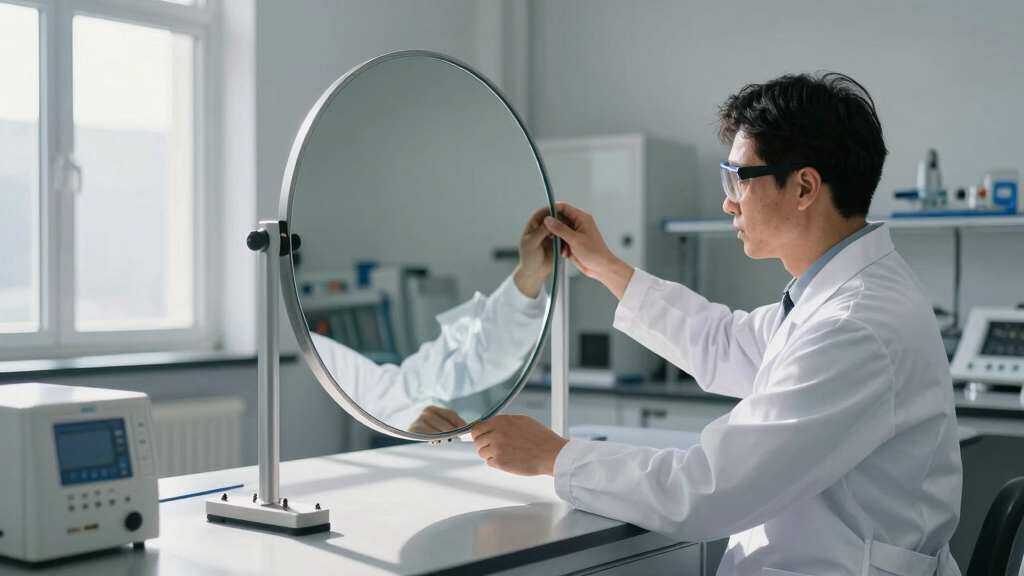
The FCC’s approval allows a private company to proceed with a pilot test of a space mirror designed to reflect sunlight and enhance nighttime brightness. The project, still in the planning phase, aims to evaluate the technical feasibility of using space mirrors for environmental or practical purposes.
According to the FCC, the approval is specific to a controlled test and does not yet involve widespread deployment. The company behind the project has not disclosed detailed timelines or the full technical specifications of the mirror but has emphasized its goal to explore new methods of lighting and environmental management from space.
Potential Impact on Astronomy and Environment
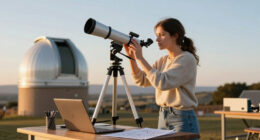
This development matters because artificially brightening the night sky could have significant implications for astronomical observations and environmental ecosystems. Experts warn that increased light pollution might interfere with telescopic research and disrupt natural nocturnal behaviors in wildlife. Conversely, proponents argue it could benefit urban areas or aid in disaster response by providing additional illumination from space.
space-based mirror for nighttime illumination
As an affiliate, we earn on qualifying purchases.
As an affiliate, we earn on qualifying purchases.
Background of Space-Based Lighting Initiatives
The concept of using space mirrors for lighting or climate modification has been discussed for years, but regulatory and technical hurdles have limited progress. Previous proposals focused on climate interventions, such as reflecting sunlight to reduce global warming. This is the first known instance where the FCC has formally approved a test specifically aimed at increasing night sky brightness through a space-based mirror.
The company involved, whose identity has not been publicly disclosed, has indicated that this test is a preliminary step toward understanding the technical and environmental impacts of such technology.
“This approval represents a careful step toward exploring innovative solutions for nighttime illumination, with strict adherence to safety and environmental standards.”
— FCC spokesperson
artificial night sky lighting device
As an affiliate, we earn on qualifying purchases.
As an affiliate, we earn on qualifying purchases.
Unanswered Questions About Environmental and Technical Risks
It is not yet clear how large-scale or long-term the effects of such a space mirror could be on astronomy, ecosystems, or climate. Experts have raised concerns about light pollution, space debris, and safety, but comprehensive impact assessments are still pending. The scope, scale, and specific technical details of the test remain undisclosed, leaving many questions open about potential risks.
space mirror environmental impact kit
As an affiliate, we earn on qualifying purchases.
As an affiliate, we earn on qualifying purchases.
Next Steps in Testing and Regulatory Oversight
The company is expected to initiate the pilot test within the coming months, pending final technical preparations. The FCC will likely monitor the test closely and may require ongoing reporting on environmental and safety impacts. Further regulatory reviews could follow if the project advances beyond initial testing, especially if scaling or wider deployment is considered.
space lighting experiment equipment
As an affiliate, we earn on qualifying purchases.
As an affiliate, we earn on qualifying purchases.
Key Questions
What is the purpose of the space mirror test?
The test aims to evaluate the feasibility of using a space-based mirror to increase nighttime illumination, potentially offering new ways to light urban areas or aid in environmental management.
Are there environmental concerns associated with this project?
Yes, experts have raised concerns about light pollution affecting astronomy and ecosystems, but detailed impact assessments are still pending.
Who is conducting the space mirror test?
The specific company involved has not been publicly identified, but it has received FCC approval to proceed with the pilot test.
When will the test take place?
The exact timing has not been announced, but the company is expected to begin testing within the next few months.
Could this technology be deployed widely in the future?
It is too early to say. The current approval is for a controlled test, and widespread deployment would require further regulatory review and environmental assessments.
Source: hn