TL;DR
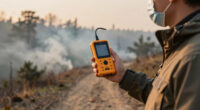
Wildfires in Canada are currently impacting air quality across the US, leading to health alerts in several states. Authorities are monitoring the situation as smoke spreads southward.
Recent wildfires in Canada have significantly deteriorated air quality across the United States, prompting health advisories and air quality alerts in several states. Authorities say smoke from the fires is spreading southward, impacting millions of residents and raising concerns about health risks, especially for vulnerable populations.
According to the Environmental Protection Agency (EPA), air quality indices in parts of the Midwest, Northeast, and West Coast have risen to unhealthy levels due to smoke drift from the Canadian wildfires. The fires, which have been burning across multiple provinces since early April, have produced large quantities of particulate matter (PM2.5) that are now affecting air quality in the US.
State and local health departments have issued advisories urging residents to limit outdoor activities, especially for children, the elderly, and those with respiratory conditions. The EPA has also issued air quality alerts for over 20 states, with some areas reporting the worst air quality in recent years. Officials attribute the rapid spread of smoke to prevailing wind patterns and high temperatures in Canada, which exacerbate fire conditions.
Fire officials in Canada continue to battle numerous wildfires, with the total acreage burned now exceeding 3 million acres, according to the Canadian Interagency Forest Fire Centre. The fires remain mostly uncontrolled in several regions, contributing to ongoing smoke emissions.
Impacts on Public Health and Emergency Responses
This situation underscores the health risks associated with wildfires and smoke exposure, which can lead to respiratory issues, cardiovascular problems, and other health complications. The widespread air quality decline also highlights the interconnectedness of environmental events across borders, emphasizing the need for coordinated response efforts and climate resilience planning.
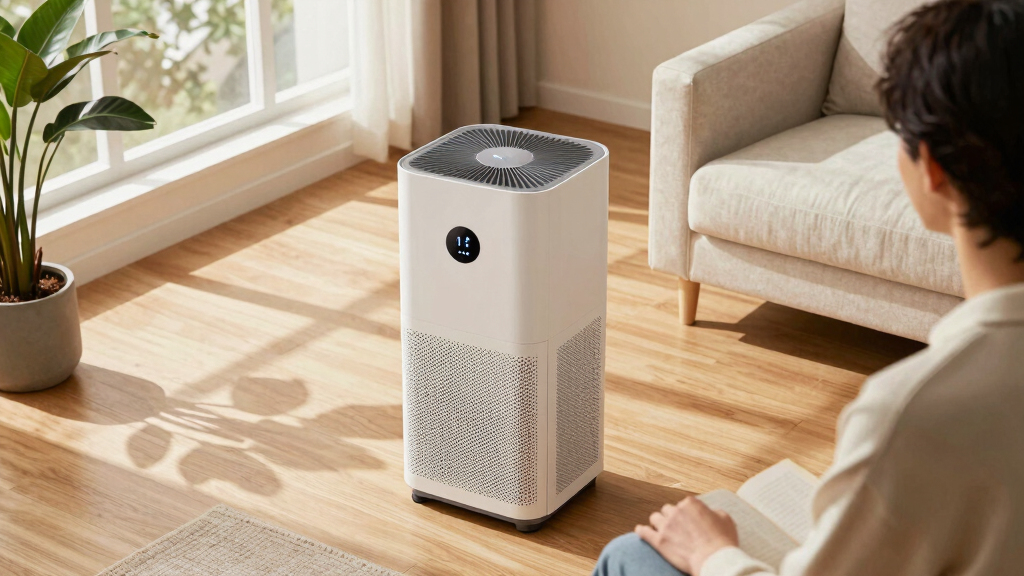
For residents, the current conditions mean increased health risks and the need for protective measures, including air filtration and staying indoors. Policymakers and health officials are closely monitoring the situation to mitigate impacts and prepare for potential escalation.
As an affiliate, we earn on qualifying purchases.
Recent Wildfire Activity in Canada and Its Global Impact
Canada has experienced an unusually severe wildfire season this year, with over 3 million acres burned across multiple provinces since April. The fires have been driven by record-high temperatures, drought conditions, and climate change-related factors, according to Canadian fire authorities. These wildfires have not only caused local destruction but also produced vast amounts of smoke that are carried by wind into neighboring countries.
Historically, Canadian wildfires have contributed to transboundary air pollution, but recent years have seen an increase in the frequency and intensity of such events. The current situation is part of a broader pattern linked to climate change, which is expected to intensify wildfire seasons globally.
In the US, previous wildfire seasons have occasionally impacted air quality, but the current extent and severity are notable due to the widespread geographic impact and the health advisories issued.
“The particulate matter levels are significantly elevated in several regions, which can pose health risks to vulnerable populations.”
— EPA spokesperson
As an affiliate, we earn on qualifying purchases.
Unconfirmed Extent of Long-Term Health Effects
It is not yet clear how long the air quality will remain at unhealthy levels or what the long-term health impacts might be for populations exposed to the smoke over extended periods. Researchers are still studying the full effects of recent wildfire smoke exposure.

16 in 1 Air Quality Monitor Indoor 7" Wildfire CO2 Monitor, 9 AQI+7 Alerts
- 16-in-1 Air Quality Monitoring: Detects 9 key air parameters
- 7 AQI Alert Buzzers: Provides multiple alert notifications
- Large 7-inch LED Display: Clear, easy-to-read air quality readings
As an affiliate, we earn on qualifying purchases.
As an affiliate, we earn on qualifying purchases.
Monitoring and Response Efforts in Progress
Authorities will continue to monitor air quality levels and issue updates as needed. Firefighting efforts in Canada are ongoing, with some regions reporting progress in containment. In the US, health agencies will assess the need for additional advisories and public health interventions. It is expected that weather patterns will influence smoke dispersion over the coming days.
As an affiliate, we earn on qualifying purchases.
Key Questions
How long will the air quality remain unhealthy?
The duration depends on fire containment progress, weather conditions, and wind patterns. Currently, it is uncertain how long the smoke will impact the US.
What health precautions should residents take?
Residents are advised to stay indoors, use air purifiers if available, avoid strenuous outdoor activities, and follow local health advisories.
Are there any measures to reduce smoke exposure?
Wearing N95 masks, keeping windows and doors closed, and using air filtration systems can help reduce exposure to airborne particles.
Will climate change worsen future wildfire seasons?
Many experts agree that climate change is likely to increase the frequency and severity of wildfires, leading to more frequent air quality issues.
Source: google-trends