Climate change and pests are major threats to your crop production. Rising temperatures and unpredictable rainfall disrupt planting schedules and growth, while pests like aphids and beetles extend their breeding seasons, causing more damage. These issues lead to poorer yields and increased reliance on chemicals. To protect your crops, you need effective management strategies and adaptive practices. Discover how innovative solutions and sustainable methods can help you face these challenges more confidently.
Key Takeaways
- Climate change causes irregular rainfall and temperature shifts, disrupting planting schedules and crop growth.
- Extended pest breeding seasons due to warmer temperatures increase pest populations and crop damage.
- Waterlogged fields from excessive rainfall promote root rot and crop diseases, reducing yields.
- Pest infestations threaten crop health, requiring increased pesticide use with environmental risks.
- Adaptive strategies like resistant varieties and climate-smart practices are essential for crop resilience.
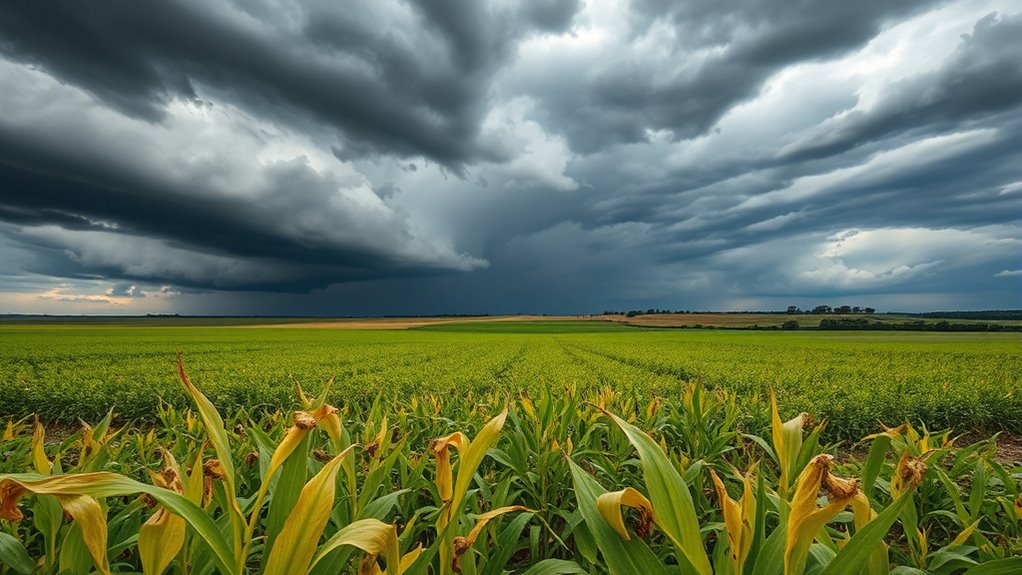
Climate changes and pest infestations are two of the most significant factors impacting crop production today. When you’re working in agriculture, you quickly realize how sensitive crops are to shifts in weather patterns and the presence of harmful pests. Rising temperatures, irregular rainfall, and extreme weather events disrupt planting schedules, hinder growth, and reduce yields. For example, prolonged droughts can dry out soil, making it difficult for plants to absorb nutrients or thrive. Conversely, excessive rainfall can lead to waterlogged fields, which promote root rot and other diseases. These unpredictable climate patterns force you to adapt constantly, whether through changing planting times, selecting more resilient crop varieties, or investing in irrigation systems to mitigate drought effects. Still, even with these adjustments, the overall stability of crop production remains uncertain.
Pests pose another relentless challenge, often exacerbated by climate shifts. Warmer temperatures can extend the breeding season for insects and other pests, leading to larger populations and more frequent infestations. You might notice that pests like aphids, caterpillars, or beetles appear earlier in the season or survive through periods when they previously wouldn’t. These pests feed on crops, damaging leaves, stems, and roots, which directly impacts plant health and yields. When pest populations surge, you may find yourself relying heavily on chemical pesticides, which come with their own risks—cost increases, environmental concerns, and potential pest resistance. Managing pests requires constant vigilance, timely intervention, and a balanced approach to minimize damage while safeguarding the environment. Additionally, integrated pest management strategies can help reduce reliance on chemicals and promote sustainable practices.
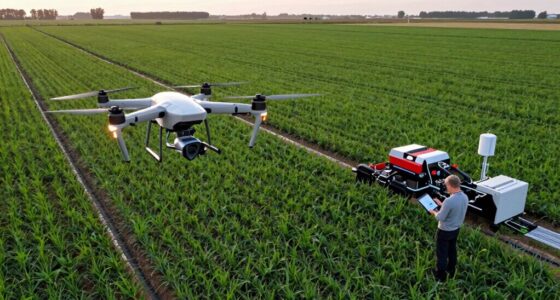
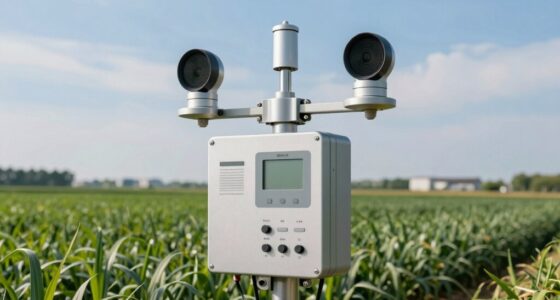
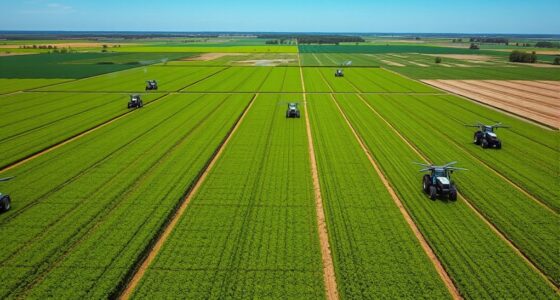
The combined effects of climate and pests create a complex web that can severely threaten food security. As a farmer or agricultural professional, you must develop strategies to cope with these challenges. This might involve integrating pest-resistant crop varieties, employing crop rotation to reduce pest buildup, or adopting climate-smart farming practices that improve resilience. Monitoring weather forecasts and pest populations helps you anticipate problems before they escalate. Additionally, investing in research and technology can provide innovative solutions—such as precision agriculture tools that optimize pesticide application or drought-tolerant crop strains. Recent advances in AI security and digital monitoring also offer promising tools to enhance pest and climate management by providing real-time data and predictive analytics. Despite these efforts, the unpredictability of climate and pest behavior demands continuous adaptation and learning. Your success hinges on your ability to stay informed, be proactive, and implement sustainable practices that protect your crops against these mounting threats.

Insects that feed on resistant crops
As an affiliate, we earn on qualifying purchases.
As an affiliate, we earn on qualifying purchases.
Frequently Asked Questions
How Do Crop Varieties Adapt to Changing Climate Conditions?
You can help crop varieties adapt to changing climate conditions by selecting and cultivating resilient strains that tolerate drought, heat, or flooding. Breeding programs focus on developing varieties with improved stress resistance and faster maturation. You might also adopt practices like crop diversification and adjusting planting times to match new weather patterns. These strategies guarantee your crops stay productive and sustainable despite climate shifts.
What Are the Economic Impacts of Pest Outbreaks on Farmers?
Pest outbreaks hit your farm hard, causing direct damage to your crops and reducing yields. This leads to lower income and increased costs for pesticides and control measures. You might also face market losses if quality drops or prices fall. Over time, repeated outbreaks can threaten your farm’s sustainability, forcing you to invest more in prevention and risking financial stability. Managing pests effectively is vital to protect your livelihood.
Can Innovative Pest Control Methods Reduce Environmental Damage?
You can reduce environmental damage by adopting innovative pest control methods like biological controls, integrated pest management, and targeted spraying. These approaches minimize chemical use, protect beneficial insects, and lower pollution. By choosing eco-friendly solutions, you’re not only safeguarding the environment but also promoting sustainable agriculture. These methods help control pests effectively while reducing harmful impacts on soil, water, and non-target species, making your farming practices more environmentally responsible.
How Does Climate Change Influence Pest Migration Patterns?
Climate change profoundly influences pest migration patterns by altering temperature, humidity, and seasonal cycles. You’ll notice pests expanding their ranges into new areas as warmer temperatures make previously inhospitable regions suitable. Additionally, changes in weather patterns can disrupt natural predators, allowing pests to thrive. These shifts can lead to increased crop damage and challenges in pest management. Staying vigilant and adapting your strategies becomes essential as climate change continues to reshape pest behaviors.
What Role Do Local Ecosystems Play in Pest Management?
Have you ever thought about how your local ecosystem influences pest management? It plays a vital role by naturally controlling pest populations through predators, parasites, and beneficial insects. Healthy ecosystems foster biodiversity, which helps keep pests in check without relying solely on chemicals. By maintaining diverse habitats and native plants, you support these natural pest regulators, creating a balanced environment that reduces crop damage and promotes sustainable farming practices.

Orbit 57915 B-hyve 4-Zone Indoor Smart Sprinkler Controller
Smart Irrigation Control Anywhere: The Orbit B-hyve Indoor Smart Sprinkler Controller provides smart sprinkler timer functionality for efficient…
As an affiliate, we earn on qualifying purchases.
As an affiliate, we earn on qualifying purchases.
Conclusion
Understanding how climate and pests impact crop production helps you stay prepared and adaptable. By managing these factors effectively, you can protect your harvest and ensure food security. Remember, you can’t regulate everything, but you can control your response. When you address these challenges head-on, you’re not just treading water—you’re steering the ship. Stay vigilant, stay flexible, and you’ll weather any storm that comes your way in farming.

Drones in Agriculture: Unlocking Precision Farming Solutions
As an affiliate, we earn on qualifying purchases.
As an affiliate, we earn on qualifying purchases.

Outsidepride Sunset Strain Lewisia Flower Seeds for Planting – 50 Pcs Drought-Tolerant Perennial Flower Seeds with Attractive Flowers & Rosette Green Foliage for Xeriscape Gardens & Rock Walls
COMPACT SIZE & CLIMATE FLEXIBILITY: Lewisia Perennial Seeds – Sunset Strain grows to an attractive height of around…
As an affiliate, we earn on qualifying purchases.
As an affiliate, we earn on qualifying purchases.