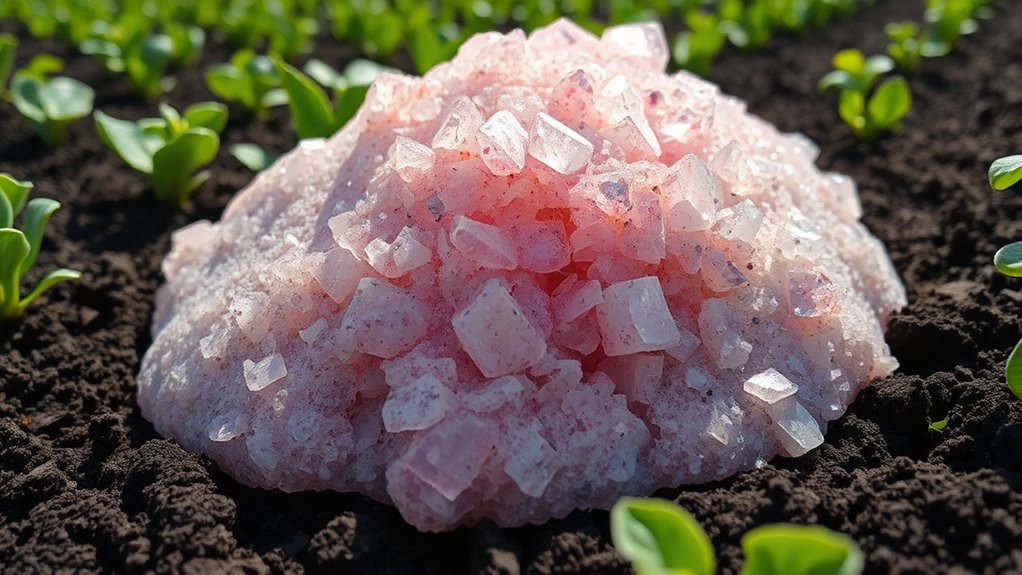

Polyhalite serves as an effective multi-nutrient potassium source by offering a stable mineral form that slowly releases potassium, calcium, magnesium, and sulfur. Its chemical stability and high solubility guarantee nutrients become available over time while supporting crop growth and soil health. Its gentle interactions minimize environmental impact, making it a sustainable choice for various crops. To understand how to optimize its use and address potential challenges, explore further details below.
Key Takeaways
- Polyhalite provides a balanced mix of potassium, calcium, magnesium, and sulfur, supporting comprehensive crop nutrition.
- Its high chemical stability enables slow, sustained nutrient release, enhancing uptake efficiency and reducing leaching.
- The mineral’s solubility allows for quick availability of nutrients, especially when applied via foliar or soil methods.
- Application strategies should consider soil pH, crop needs, and timing to optimize multi-nutrient benefits.
- Supply chain and logistical challenges may impact consistent access and cost-effectiveness of polyhalite as a potassium source.

Osmocote Smart-Release Plant Food Plus Outdoor & Indoor1 – Granular, Continuous Release Plant Fertilizer with 11 Essential Nutrients, 1 lb.
CONTINUOUS RELEASE NUTRITION: Osmocote Smart-Release Plant Food Plus Outdoor & Indoor1 granular fertilizer contains 11 essential nutrients and…
As an affiliate, we earn on qualifying purchases.
As an affiliate, we earn on qualifying purchases.
Composition and Chemical Properties of Polyhalite
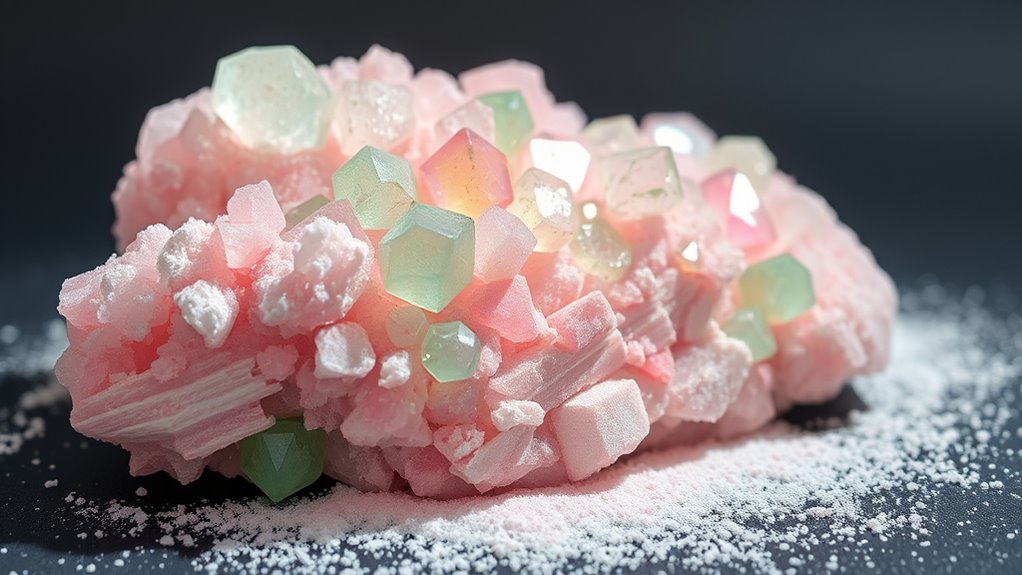
Polyhalite is a naturally occurring mineral composed mainly of potassium, calcium, magnesium, and sulfur, making it a valuable multi-nutrient source for fertilizers. Its chemical properties contribute to its mineral stability, allowing it to withstand environmental conditions without rapid degradation. This stability is vital for ensuring consistent nutrient release over time. The mineral’s structure influences how it interacts chemically within soil, affecting nutrient availability. Polyhalite’s chemical interactions are generally gentle, reducing the risk of unwanted reactions that can tie up nutrients or create insoluble compounds. These properties make it an effective and stable fertilizer component. Additionally, its chemical stability allows for prolonged nutrient release, optimizing plant absorption and reducing the need for frequent reapplication. Understanding its composition and chemical behavior helps optimize its use in agricultural practices, ensuring that plants receive essential nutrients efficiently and sustainably.

Crystalpro Flora Multi Minerals All-in-One Aquarium Plant Fertilizer – Plant Food for Fast Root & Leaf Growth – Safe for Fish, Shrimp & Snails (4.2 Oz / 125ml)
ALL-IN-ONE COMPREHENSIVE PLANT FOOD Crystalpro Flora Multi Minerals is an advanced liquid supplement formulated strictly for the vibrant…
As an affiliate, we earn on qualifying purchases.
As an affiliate, we earn on qualifying purchases.
Advantages of Using Polyhalite in Fertilization Practices
One key advantage of using polyhalite in fertilization practices is its ability to provide multiple essential nutrients simultaneously, simplifying nutrient management for farmers. This multi-nutrient profile reduces the need for multiple applications, lowering overall input costs. Additionally, polyhalite has a relatively low environmental impact because it releases nutrients slowly, minimizing runoff and leaching risks. From a regulatory perspective, polyhalite often faces fewer restrictions compared to synthetic fertilizers, making it easier to adopt in various regions. Its natural mineral form aligns with sustainable farming goals and can help meet environmental standards. Moreover, the natural composition of polyhalite often leads to better soil health over time, supporting long-term agricultural productivity. Furthermore, the use of sustainable farming practices can be employed to effectively communicate the benefits of sustainable practices in agricultural marketing. Studies show that soil health benefits from natural mineral fertilizers like polyhalite can significantly enhance crop yields and resilience. Overall, using polyhalite supports efficient, eco-friendly fertilization practices while easing regulatory burdens, making it a compelling choice for modern agriculture.

Muriate of Potash 0-0-60 Fertilizer Made in USA – MOP Potassium Plant Food for Indoor/Outdoor Plants, Flower Gardens, Fruit and Vegetable Gardens, Holistic Herbs, Trees and Green Lawns!
PREMIUM QUALITY INGREDIENTS – Cz Garden Muriate of Potash is a water soluble, high purity, premium phosphate fertilizer…
As an affiliate, we earn on qualifying purchases.
As an affiliate, we earn on qualifying purchases.
Effectiveness of Polyhalite Across Different Crops

You’ll find that polyhalite can boost crop growth and improve nutrient uptake across various plants. However, its effectiveness may vary depending on soil conditions and crop type. Understanding these differences helps you optimize its use for each specific crop. Incorporating soil health practices can further enhance nutrient absorption and overall plant performance. Additionally, tailoring application methods to existing soil nutrient levels can maximize the benefits of polyhalite. Maintaining a comprehensive soil testing routine allows for more precise nutrient management, ensuring the optimal performance of polyhalite as a multi‑nutrient potassium source.
Crop Growth Enhancement
Research shows that polyhalite effectively enhances crop growth across a variety of plant types, making it a versatile option for farmers aiming to improve yields. Its balanced nutrient profile supports healthy plant development without compromising soil health, promoting sustainable farming practices. By supplying potassium along with calcium, magnesium, and sulfur, polyhalite encourages vigorous growth and stronger root systems. This, in turn, can lead to higher productivity across different crops such as potatoes, grains, and vegetables. Additionally, its gentle release reduces the risk of nutrient runoff, minimizing environmental impact. You’ll notice improved plant resilience and crop quality, all while maintaining soil integrity. Polyhalite’s multi-nutrient approach makes it a reliable choice for boosting crop growth without harming the environment. Soil health is also maintained through its slow-release properties, which help preserve the long-term fertility of agricultural lands.
Nutrient Uptake Efficiency
How effectively does polyhalite improve nutrient uptake across different crops? It enhances root absorption by providing a balanced mix of potassium, calcium, magnesium, and sulfur, which work together through nutrient synergy. This synergy boosts the efficiency of nutrient transfer into plant roots, making uptake more effective across various crops. Polyhalite’s mineral composition supports vigorous root development, allowing plants to access nutrients more readily from the soil. Its multi-nutrient profile ensures that crops receive essential elements simultaneously, optimizing overall nutrient use efficiency. Additionally, the high solubility of polyhalite facilitates quicker nutrient availability, further enhancing uptake efficiency. The nutrient synergy created by these minerals promotes more complete and balanced plant nutrition, leading to healthier growth. While effectiveness can vary among species, the combined effect of improved root absorption and nutrient synergy generally leads to better nutrient uptake, promoting healthier growth and potentially increasing yields for diverse crops.
Soil Compatibility Variations
Polyhalite’s effectiveness can vary considerably depending on soil type and crop species, as these factors influence nutrient availability and uptake. Soil pH variability plays a key role, affecting how nutrients from polyhalite dissolve and become accessible to plants. In acidic soils, nutrient release may be limited, while in alkaline soils, solubility can increase, but other interactions may occur. Microbial interactions also impact performance; beneficial microbes can enhance nutrient mineralization and uptake, improving polyhalite’s efficiency. Different crops respond uniquely based on their root systems and nutrient demands, making some more responsive to polyhalite’s multi-nutrient profile than others. Understanding these soil compatibility variations helps optimize application strategies, ensuring crops receive the nutrients they need for healthy growth. Additionally, fostering a conducive environment through practices like attention management can support better nutrient absorption and overall plant health.

HEART & SOIL – 100% Grass Fed & Finished Beef Organs from Regenerative Cattle with Liver, Heart, Kidney, Pancreas & Spleen – 3000mg Beef Organ Supplement for Women & Men – Glass Bottle – 180 Capsules
Grass-Fed Beef Organs Supplements – Made with liver, heart, kidney, pancreas & spleen, this nutrient-dense formula provides key…
As an affiliate, we earn on qualifying purchases.
As an affiliate, we earn on qualifying purchases.
Application Methods and Optimal Usage Strategies
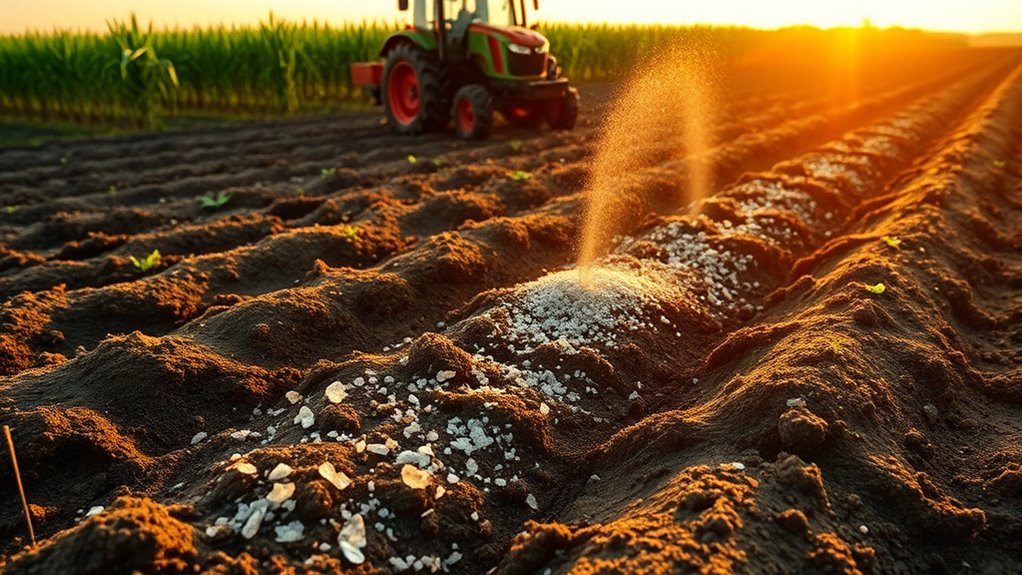
To maximize the benefits of polyhalite as a multi-nutrient potassium source, selecting appropriate application methods is essential. You should consider these strategies:
- Use foliar application during critical growth stages to quickly supply nutrients.
- Apply granules directly to the soil for gradual nutrient release and improved root uptake.
- Incorporate granules into the soil before planting to ensure even distribution.
- Combine foliar and soil applications for a balanced nutrient delivery approach.
- Monitoring plant health and soil conditions can help determine the most effective application timing and methods. Additionally, understanding agricultural technology advancements can aid in optimizing application techniques for better efficiency and crop performance.
Foliar application offers rapid absorption, especially in nutrient-deficient conditions, while granule placement enhances soil fertility over time. Proper timing and method selection optimize nutrient availability, improve crop yields, and reduce waste. Tailoring your approach based on crop needs and soil conditions will ensure the most efficacious use of polyhalite.
Limitations and Challenges in Implementing Polyhalite
Implementing polyhalite faces several hurdles that can slow its adoption. You’ll need to navigate complex supply chains, high costs, and limited accessibility, which can be challenging for many growers. Additionally, agronomic adoption may be hindered by unfamiliarity and resistance to changing traditional fertilization practices. Moreover, promoting powerful persuasive words in communication can be essential to overcoming skepticism and enhancing acceptance among stakeholders.
Supply Chain Complexities
Have you considered the logistical hurdles involved in sourcing and transporting polyhalite? The supply chain for this mineral faces unique distribution challenges that can slow adoption. These include:
- Limited extraction sites, restricting supply flexibility
- Complex transportation routes over long distances
- Infrastructure gaps in key exporting regions
- Storage and handling requirements to prevent spoilage
These factors complicate the supply chain, making it harder to deliver polyhalite efficiently and reliably. Additionally, shipping logistics play a crucial role in managing the timely delivery of this mineral. Without addressing these complexities, integrating polyhalite into existing supply chains remains a significant obstacle. Moreover, understanding the distribution network is essential for developing effective strategies to overcome these challenges.
Cost and Accessibility Barriers
Despite its nutritional benefits, the high cost of polyhalite can be a significant barrier for many farmers and distributors, limiting widespread adoption. Pricing fluctuations due to market volatility and supply-demand dynamics make it difficult to budget for this fertilizer reliably. Additionally, geographic availability remains a challenge; polyhalite deposits are concentrated in specific regions, restricting access for farmers outside these areas. Transportation costs further increase expenses, reducing economic feasibility for some users. Limited distribution networks mean that even if the product is available, it might not reach all markets efficiently. These cost and accessibility barriers hinder the broader integration of polyhalite into diverse cropping systems, despite its potential advantages as a multi-nutrient potassium source.
Agronomic Adoption Hurdles
While polyhalite offers promising benefits as a multi-nutrient potassium source, several agronomic challenges hinder its widespread adoption. First, farmer education remains limited; many growers lack awareness of its advantages and application methods. Second, regulatory approval processes can delay market entry, as authorities require extensive safety and efficacy data. Third, inconsistent application techniques may affect nutrient uptake, making it harder for farmers to optimize results. Fourth, farmers may be hesitant to switch from familiar fertilizers without clear evidence of long-term benefits. Additionally, integrating growth mindset principles can help farmers adapt to new technologies and practices more effectively. Another challenge is the regulatory approval process, which can be lengthy and complex, impeding quick market access for new fertilizers. Furthermore, scientific validation through field trials is essential to demonstrate consistent performance and build confidence among users. Addressing these hurdles involves increasing farmer outreach, streamlining regulatory pathways, and providing practical guidance on application. Overcoming these challenges is essential for wider adoption and realizing polyhalite’s full agronomic potential.
Future Perspectives and Research Directions
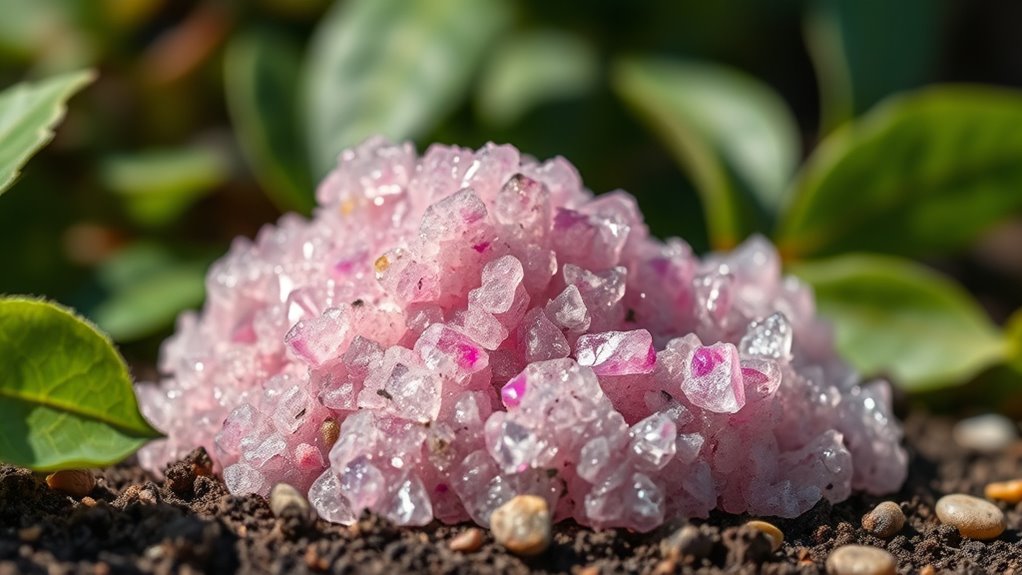
Future research should focus on optimizing the application methods and timing of polyhalite to maximize its nutrient release and uptake efficiency. By leveraging biotechnology innovations, you can develop advanced formulations or delivery systems that enhance nutrient availability and reduce wastage. Additionally, understanding the environmental impact of large-scale polyhalite use is vital to guarantee sustainable practices. Future studies might explore how to integrate polyhalite into precision agriculture techniques, improving its effectiveness while minimizing ecological footprints. Research should also evaluate long-term effects on soil health and crop productivity. Incorporating nutrient cycling processes into research can provide a more comprehensive understanding of polyhalite’s role in sustainable agriculture. This approach will help you establish best practices for widespread adoption, ensuring polyhalite’s potential as a multi-nutrient potassium source is harnessed responsibly and sustainably.
Frequently Asked Questions
How Does Polyhalite Compare to Other Multi-Nutrient Fertilizers?
When comparing polyhalite to other multi-nutrient fertilizers, you’ll notice its unique nutrient profile, offering a balanced mix of potassium, calcium, magnesium, and sulfur. Its application methods are versatile, allowing you to incorporate it directly into soil or use it as a foliar spray. Unlike some fertilizers, polyhalite releases nutrients slowly, providing sustained availability and reducing leaching, which benefits your crop’s overall health and yield.
What Are the Environmental Impacts of Using Polyhalite?
When you use polyhalite, you minimize environmental runoff and soil contamination because it releases nutrients slowly and evenly. Unlike synthetic fertilizers, it’s less likely to leach into groundwater or cause nutrient imbalances. This helps protect nearby water bodies and maintains soil health. Overall, polyhalite’s environmentally friendly profile supports sustainable farming practices, reducing the risk of pollution while providing essential nutrients to your crops efficiently.
Is Polyhalite Cost-Effective for Large-Scale Farming?
You’ll find polyhalite cost-effective for large-scale farming if its economic feasibility aligns with your crop needs and budget. Its supply chain can be streamlined, reducing logistics costs, which improves overall affordability. Plus, its multi-nutrient content means fewer fertilizers are needed, saving you money long-term. Carefully analyze market prices and availability to guarantee that incorporating polyhalite offers a practical, financially sound solution for your large-scale agricultural operations.
Can Polyhalite Be Integrated With Organic Farming Practices?
You can definitely integrate polyhalite with organic farming practices, as it offers good organic compatibility. Its mineral composition supports soil health integration, helping maintain natural nutrient cycles without synthetic chemicals. Using polyhalite can enhance soil fertility while aligning with organic standards, making it a versatile supplement. Just guarantee it meets organic certification requirements and complements your overall soil management plan for sustainable, healthy crop production.
What Are the Storage and Handling Requirements for Polyhalite?
Imagine pouring a shimmering, multi-nutrient treasure into your storage. You need to guarantee storage safety by keeping polyhalite in a dry, well-ventilated area away from moisture and direct sunlight. Handle with care, using gloves and masks to avoid dust inhalation. Follow handling precautions to prevent spills and contamination. Proper storage and cautious handling protect both your health and the quality of this valuable mineral.
Conclusion
If you give polyhalite a try, you’ll find it’s a natural, multi-nutrient solution that can boost your crops’ health and yield. Don’t let concerns about cost or application complexity hold you back—its benefits outweigh the challenges. Imagine the satisfaction of nurturing thriving, productive fields while reducing environmental impact. By embracing polyhalite, you’re not just improving your harvest—you’re shaping a more sustainable future for agriculture, and that’s a truly rewarding step forward.