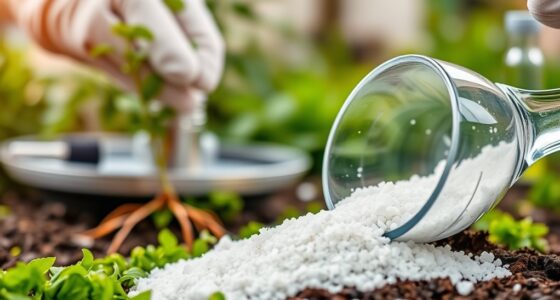
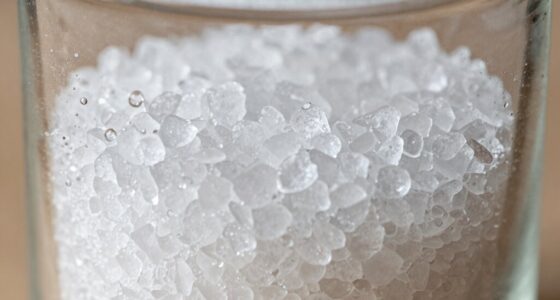
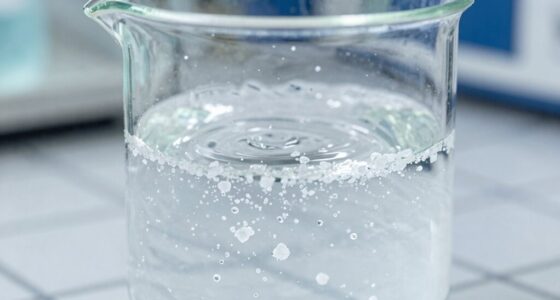
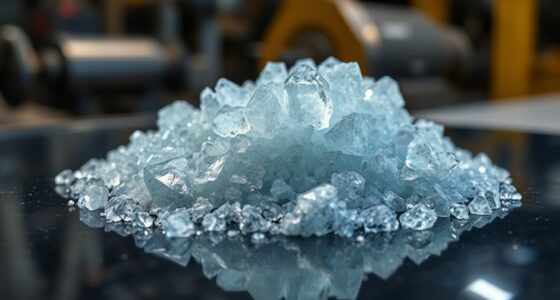
Sodium chloride, or salt, is produced mainly through solution mining, brine evaporation, and solar evaporation, each with environmental concerns like land disruption, water contamination, and energy use. You’ll find salt in food preservation, industrial processes, and even de-icing roads. While its benefits are endless, understanding the environmental impacts of its extraction helps you appreciate sustainable practices. Keep exploring to learn more about how salt’s production and use affect our planet.
Key Takeaways
- Sodium chloride is produced mainly through solution mining, solar evaporation, and traditional underground mining methods.
- It is widely used in food preservation, seasoning, industrial chemicals, and de-icing applications.
- Salt extraction can impact the environment by causing land subsidence, water contamination, and disrupting local ecosystems.
- Sustainable practices aim to reduce land use, water pollution, and energy consumption in salt production processes.
- Understanding production methods and environmental impacts encourages responsible salt use and promotes eco-friendly industry innovations.

Have you ever wondered what makes table salt so essential in your daily life? It’s not just about flavor; salt plays a crucial role in our health, food preservation, and even industrial processes. But have you ever thought about how salt actually gets from the earth or sea into your shaker? That process involves various salt extraction methods, each with its own environmental impact.
Salt extraction methods primarily include solution mining, solar evaporation, and traditional mining. In solution mining, engineers drill wells into underground salt deposits, then inject water to dissolve the salt. The resulting brine is pumped to the surface, where it’s evaporated to recover the salt. Solar evaporation, on the other hand, involves channeling seawater into large, shallow ponds. Over time, the sun’s heat evaporates the water, leaving behind salt crystals that can be collected. Traditional mining digs into salt deposits found underground, similar to mining minerals or coal. Miners use heavy machinery to extract large chunks of salt, which are then processed for various uses. Each method has its advantages, but they also come with environmental concerns. For example, solar evaporation requires vast areas of land, which can disrupt local ecosystems, while underground mining may lead to subsidence or water contamination if not managed carefully.
The environmental effects of salt mining are complex. Salt deposits are often located near sensitive ecosystems, and the process of extraction can disturb wildlife and plant life. For instance, large salt ponds used in solar evaporation can alter local hydrology, affecting nearby wetlands and freshwater sources. Underground mining might cause land subsidence, leading to erosion or damage to nearby structures. Additionally, the chemicals used in some extraction processes can leach into soil and water supplies, posing health risks to local communities and ecosystems. Salt mining can also consume significant amounts of energy, especially in traditional mining operations, contributing to greenhouse gas emissions.
While salt is indispensable in your life, it’s important to recognize that its production isn’t without consequences. Responsible management and sustainable practices are key to minimizing the environmental effects of salt mining, ensuring that your daily salt intake doesn’t come at the expense of the planet’s health. As awareness grows, industries are exploring greener methods to extract salt, aiming to balance human needs with environmental preservation. So next time you sprinkle salt on your food, remember the complex journey it takes from the earth or sea and the efforts to keep that process eco-friendly.
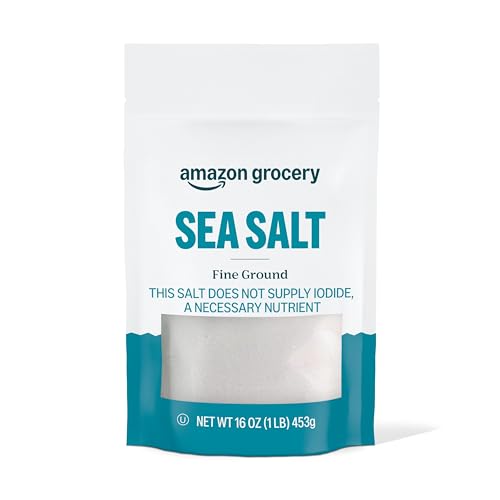
Amazon Grocery, Sea Salt, Fine Ground, 16 Oz
One 16 ounce resealable bag of Fine Ground Sea Salt
As an affiliate, we earn on qualifying purchases.
As an affiliate, we earn on qualifying purchases.
Frequently Asked Questions
How Is Sodium Chloride Naturally Formed in the Environment?
You find sodium chloride naturally formed in evaporite deposits when water from lakes or seas evaporates. As the water dries up, mineral crystallization occurs, leaving behind salt deposits. Over time, these evaporite deposits become large salt beds underground or on the surface, containing significant amounts of sodium chloride. This natural process efficiently concentrates salt, making it accessible for extraction and use in various applications.
What Are the Latest Innovations in Salt Production Technology?
You’ll find that the latest innovations in salt production focus on innovative extraction and sustainable methods. Techniques like solar evaporation and vacuum evaporation reduce energy use, making processes more eco-friendly. Additionally, researchers develop methods to recover salt from waste streams and brine recycling, minimizing environmental impact. These advancements help you access high-quality sodium chloride while supporting sustainability efforts, ensuring production becomes more efficient and environmentally responsible.
Can Sodium Chloride Be Used in Renewable Energy Applications?
Did you know that sodium chloride plays a key role in renewable energy storage? You can use saltwater batteries, which rely on sodium ions, to store renewable energy efficiently. These batteries are eco-friendly and cost-effective, making sodium chloride essential in renewable energy applications. By harnessing saltwater batteries, you contribute to sustainable energy solutions, reducing dependence on fossil fuels and lowering environmental impact.
What Are the Health Risks of Consuming Too Much Salt?
Consuming too much salt can harm your health. High salt intake increases your risk of high blood pressure, which may lead to heart disease or stroke. It can also cause kidney problems and make you retain water, leading to swelling. To protect your health, keep your salt intake within recommended limits. Monitoring your diet and reducing processed foods can help manage these health implications and improve your overall well-being.
How Does Sodium Chloride Affect Soil and Plant Growth?
Sodium chloride can increase soil salinity, which hampers plant growth by making it harder for roots to absorb water. If you use too much salt, you may see reduced plant tolerance, leading to stunted growth or even plant death. To protect your plants, monitor soil salinity levels and avoid excessive salt buildup, ensuring your plants stay healthy and thrive in their environment.

Morton Iodized Salt, All-Purpose, (26 oz), 2-Pack – All-Purpose, Perfect for Cooking & Table Use
All-Purpose; Morton Table Salt has a consistent grain size making it tailored for any use, from cooking and…
As an affiliate, we earn on qualifying purchases.
As an affiliate, we earn on qualifying purchases.
Conclusion
Just like salt preserves food and keeps it fresh, understanding its production and impact helps you make better choices. Imagine walking by a roadside and seeing salt piled high—reminding you of nature’s delicate balance. While sodium chloride is crucial for many uses, overuse can harm the environment, like too much salt ruining farmland. Staying informed empowers you to enjoy its benefits responsibly, ensuring future generations can also savor the simple, essential role salt plays in our lives.

Terrasoul Superfoods Himalayan Pink Salt, 2.5 Lbs – Extra Fine | Trace Minerals
Terrasoul Superfoods Himalayan Pink Salt (Extra-Fine), 2.5 Pound Pouch
As an affiliate, we earn on qualifying purchases.
As an affiliate, we earn on qualifying purchases.
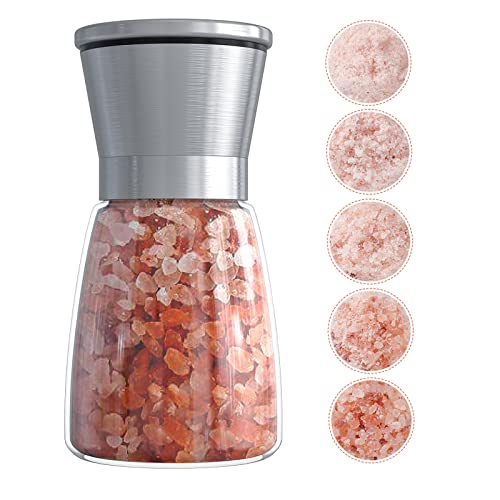
Ebaco Original Stainless Steel Salt or Pepper Grinder – Top Spice Mill with Ceramic Blades, Brushed Stainless Steel and Adjustable Coarseness By Pepper Grinder (Single Package)
✅PREMIUM GLASS & STAINLESS STEEL: Upgrade your kitchen with this durable manual spice mill. It features a rust-proof,…
As an affiliate, we earn on qualifying purchases.
As an affiliate, we earn on qualifying purchases.