
To optimize zinc sulfate and overall micronutrient management, guarantee your soil pH is between 6.0 and 7.0 for maximum zinc availability. Use soil amendments like lime or sulfur as needed to adjust pH. Incorporate zinc sulfate into soil and apply foliar sprays during key growth stages to quickly address deficiencies. Proper timing and technique, combined with soil pH regulation, help improve crop health and yields. Continuing to explore these strategies can lead to even healthier, more productive crops.
Key Takeaways
- Zinc sulfate is a widely used source for correcting zinc deficiency in crops.
- Proper soil pH management (6.0–7.0) enhances zinc solubility and plant absorption.
- Foliar zinc applications provide rapid correction during critical growth stages.
- Soil amendments like lime or sulfur adjust pH, optimizing micronutrient availability.
- Combining soil pH regulation with foliar feeding ensures effective micronutrient management and improved yields.

Micronutrient management is essential for optimizing crop growth and ensuring high yields in agriculture. When it comes to zinc sulfate, understanding how to effectively deliver zinc to your crops is crucial. Zinc plays a vital role in enzyme activation, protein synthesis, and overall plant health. However, the effectiveness of zinc supplementation heavily depends on proper soil pH regulation, as soil pH influences zinc availability. If the soil is too alkaline, zinc becomes less soluble, making it harder for your plants to absorb. Conversely, if the soil is too acidic, zinc may become overly available, risking toxicity. Therefore, maintaining an optimal soil pH range, typically between 6.0 and 7.0, is vital. Regular soil testing helps you monitor pH levels, allowing you to adjust accordingly using lime or sulfur to create a more conducive environment for zinc uptake.
In addition to soil pH regulation, foliar feeding techniques serve as an effective method to supply zinc directly to your crops. Instead of relying solely on soil application, foliar sprays allow you to deliver micronutrients straight to the plant leaves, bypassing soil limitations. This method is particularly useful when soil conditions restrict zinc availability or when rapid correction is needed during critical growth stages. To maximize absorption, ensure you mix zinc sulfate properly with water and apply it during calm weather, preferably early in the morning or late in the afternoon, to minimize evaporation and runoff. It’s essential to follow recommended concentrations to avoid leaf scorch or phytotoxicity, which can harm your crops. Proper timing and application techniques are critical for achieving optimal results.
Using foliar feeding techniques also offers the benefit of quick nutrient uptake, leading to faster correction of zinc deficiencies. This approach is especially beneficial during periods of stress or when plants are in key developmental phases like flowering or fruiting. Combining soil pH regulation with foliar feeding guarantees a comprehensive micronutrient management plan. Adjusting soil pH creates a more stable environment for zinc to remain available over time, while foliar applications can provide immediate relief when deficiencies are observed. With consistent monitoring and proper application methods, you can optimize zinc uptake, enhance crop health, and boost overall productivity. Additionally, understanding soil nutrient interactions can help improve your micronutrient management strategy.

Hi-Yield (34624) Zinc Sulfate, 3.25 lbs
- Prevents pecan rosette deficiency: Corrects fruit deformity in pecans
- Rich zinc source for fruit trees: Suitable for all fruit tree types
- Contains 17% Sulfur and 36% Zinc: High nutrient content
As an affiliate, we earn on qualifying purchases.
As an affiliate, we earn on qualifying purchases.
Frequently Asked Questions
How Does Zinc Sulfate Affect Soil Ph Levels?
Zinc sulfate can lower soil pH, increasing soil acidity, especially if used in excess. When you apply it, it releases zinc ions that react with soil components, causing pH adjustment towards acidity. This helps improve zinc availability to plants but can risk making soil too acidic if overused. Monitor soil pH regularly to maintain ideal conditions, ensuring your soil remains healthy and productive without negatively impacting nutrient balance.
What Are the Signs of Zinc Deficiency in Crops?
Like a silent alarm, zinc deficiency symptoms in crops appear subtly but clearly. You might notice stunted growth, pale green or yellowing leaves, and poor kernel or fruit development. These crop zinc indicators signal that your plants aren’t getting enough zinc, which is essential for enzyme function and growth. Keep an eye out for these signs to address deficiencies early and prevent yield loss.
Can Zinc Sulfate Be Used With Organic Fertilizers?
Yes, you can use zinc sulfate with organic fertilizers. It offers good organic compatibility, guaranteeing it integrates smoothly into your organic nutrient management plan. Combining zinc sulfate with organic fertilizers can enhance nutrient synergy, improving zinc availability to your crops. Just ensure proper mixing and application timing to avoid nutrient imbalances. This approach helps optimize zinc uptake while maintaining the organic integrity of your fertilization practices.
What Are the Environmental Impacts of Zinc Sulfate Runoff?
Zinc sulfate runoff can lead to zinc contamination in nearby water bodies, harming aquatic life and disrupting ecosystems. To minimize these impacts, you should implement runoff mitigation strategies like buffer zones, proper application timing, and controlled dosing. This helps prevent excess zinc from entering the environment, reducing contamination risks and protecting water quality. Being proactive in runoff management guarantees you support sustainable farming while safeguarding surrounding ecosystems.
How Often Should Micronutrients Be Applied for Optimal Yield?
You should apply micronutrients based on crop-specific recommendations to achieve ideal yield. The timing of application is vital; usually, you’ll want to apply them during key growth stages, such as early vegetative or flowering periods. Regular soil or tissue testing helps determine when deficiencies occur, so you can adjust the frequency accordingly. Follow expert advice to prevent over-application and guarantee your crops receive the right nutrients at the right time.
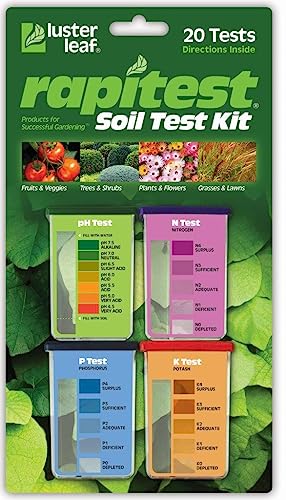
Rapitest Soil Test Kit for Gardens, Vegetables, Flowers and Lawns. USA designed and assembled soil tester completely, quickly and accurately measures/analyzes soil pH acidity and garden nutrients.
- Quick at-home soil test: Measures pH, N, P, K accurately
- Complete testing kit: Includes components for 20 tests
- Versatile testing: Tests multiple garden spots
As an affiliate, we earn on qualifying purchases.
As an affiliate, we earn on qualifying purchases.
Conclusion
Just as a symphony relies on each instrument, your crops depend on proper micronutrient balance. Zinc sulfate plays its essential part, fueling growth and health like the steady beat that keeps music alive. By managing micronutrients wisely, you’re cultivating more than plants—you’re nurturing resilience and abundance. Remember, in the dance of agriculture, every element counts. Keep your approach balanced, your efforts mindful, and watch your fields flourish like a well-conducted masterpiece.

GARDENWISE Premium Microfertilizer Foliar Spray – Chelated Plant Nutrition Blend with Chelated Iron for Vegetables. Perfect for Hydroponics, Pots, and Open Soil. Ready to Use (8 OZ)
- Maximizes Growth and Yield: Delivers nutrients for faster, healthier growth
- Prevents Leaf Yellowing: Reduces chlorosis and promotes vibrant foliage
- Enhances Plant Resilience: Strengthens defenses against pests and diseases
As an affiliate, we earn on qualifying purchases.
As an affiliate, we earn on qualifying purchases.

Earth Science Fast Acting Lime Granules—5lb— Instantly Raise pH of Soil & Reduce Nutrient Runoff for Improved Growth & Color – Long Lasting Lawn Care with Calcium
- Raises Soil pH: Naturally increases soil pH for better nutrient absorption
- Fast Acting Formula: Granules start working immediately to improve soil pH
- Enhances Lawn Color: Promotes greener lawns and vibrant blooms
As an affiliate, we earn on qualifying purchases.
As an affiliate, we earn on qualifying purchases.