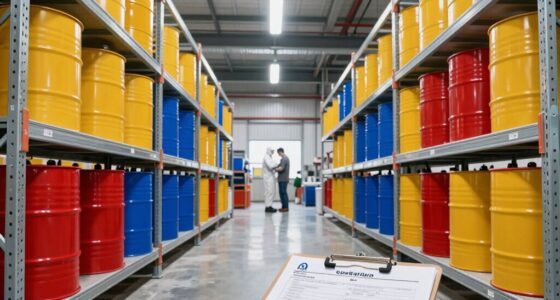
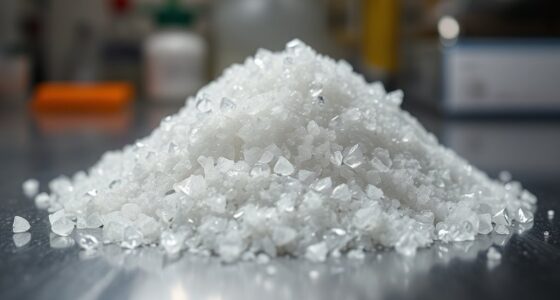
Polyethylene and polypropylene are two of the most common plastics you’ll encounter daily. They’re lightweight, durable, and versatile—used in packaging, containers, and automotive parts. Polyethylene comes in flexible low-density and rigid high-density forms, while polypropylene has a higher melting point and resists fatigue. Both are made from petrochemicals and are not biodegradable, posing environmental challenges. Understanding their properties and recycling efforts helps you make eco-conscious choices—if you continue exploring, you’ll discover ways to reduce their impact.

Prime made for students and young adults
- Fast, free delivery for dorm and study essentials
- Prime Video and Amazon Music included
- Member-only deals
Key Takeaways
- Polyethylene (PE) and polypropylene (PP) are widely used thermoplastics derived from petrochemicals, used in packaging, containers, and household goods.
- PE exists as low-density (LDPE) and high-density (HDPE), with LDPE being flexible and HDPE more rigid and durable.
- PP has a higher melting point and better fatigue resistance, making it suitable for automotive and industrial applications.
- Both plastics are non-biodegradable, persist in the environment, and can break into microplastics, harming ecosystems.
- Recycling processes for PE and PP face challenges like contamination and low global recovery rates, requiring improved methods and public participation.

Have you ever wondered what makes plastics like polyethylene and polypropylene so versatile? These materials are everywhere—from packaging and containers to automotive parts and household goods. Their popularity stems from their durability, lightweight nature, and ease of manufacturing. But with widespread use comes concerns about their environmental impact, especially considering the challenges associated with recycling processes. Understanding how these plastics are produced and managed can help you make more informed choices and appreciate their role in modern life.
Polyethylene and polypropylene are both thermoplastics, meaning they soften when heated and can be reshaped repeatedly. Polyethylene, often abbreviated as PE, is the most common plastic globally. It comes in different forms—low-density (LDPE) and high-density (HDPE)—each with unique properties suitable for various applications. Polypropylene, or PP, is known for its higher melting point and resistance to fatigue, making it ideal for products that need to endure stress. Both plastics are derived from petrochemical sources, primarily through the polymerization of ethylene and propylene monomers, respectively.
Polyethylene and polypropylene are versatile thermoplastics derived from petrochemicals through polymerization.
Their manufacturing processes are efficient, allowing mass production at low costs. However, these same processes contribute to environmental concerns. The environmental impact of polyethylene and polypropylene is significant because they are not biodegradable. When discarded improperly, they can persist in the environment for hundreds of years, breaking into microplastics that threaten wildlife and ecosystems. This situation underscores the importance of effective recycling processes, which are vital in managing plastic waste. Recycling these plastics involves collecting, sorting, cleaning, and then melting or shredding them to produce new products. While recycling can reduce environmental harm, the current global recycling rate for plastics remains low, hindered by contamination, lack of infrastructure, and economic factors.
You should be aware that improving recycling processes and increasing public participation can help mitigate some environmental impacts. Many innovations are underway, like chemical recycling, which breaks plastics down to their monomers for reuse, and designing plastics for easier recycling. Additionally, understanding the recycling process and its limitations can help consumers make more sustainable choices. Still, the challenge remains to develop sustainable solutions that balance the benefits of polyethylene and polypropylene with environmental responsibility. By understanding the recycling processes involved and their limitations, you can contribute to reducing plastic waste—whether by choosing products made from recycled materials or supporting policies that promote better waste management systems. Ultimately, recognizing both the utility and environmental costs of these plastics empowers you to make more eco-conscious decisions, helping to shape a more sustainable future.
reusable polyethylene food storage containers
As an affiliate, we earn on qualifying purchases.
As an affiliate, we earn on qualifying purchases.
Frequently Asked Questions
How Are Polyethylene and Polypropylene Recycled Effectively?
You can recycle polyethylene and polypropylene effectively by sorting plastic waste properly, ensuring only these types go into recycling bins. The recycling process involves cleaning, shredding, and melting the plastics to create new products. By participating in local recycling programs and avoiding contamination, you help improve recycling efficiency. Properly recycling these plastics reduces waste, conserves resources, and supports a sustainable environment for future generations.
What Are the Environmental Impacts of These Plastics?
Imagine plastic pollution as a shadow cast by our daily choices. These plastics can persist in the environment, contributing to pollution and harming wildlife. When they break down, chemical leaching may seep into soil and water, affecting health. Their durability means they often outlive their usefulness, emphasizing the need for responsible use and recycling to reduce environmental impacts and protect ecosystems from long-term damage.
Can These Plastics Be Biodegradable?
You might wonder if these plastics are biodegradable. Unfortunately, both polyethylene and polypropylene face significant biodegradability challenges because their strong chemical bonds resist natural breakdown processes. This makes them persist in the environment, contributing to pollution. To address this, eco-friendly alternatives like bioplastics or biodegradable plastics are being developed, but widespread adoption remains limited. So, currently, these plastics aren’t considered biodegradable, highlighting the need for better sustainable options.
How Do They Compare in Cost and Availability Worldwide?
Think of polyethylene and polypropylene as two well-stocked shelves in a global store. Polyethylene tends to be more affordable and widely available, making it the go-to for many products. Polypropylene, while slightly pricier, offers unique properties that justify its cost. The cost differences are subtle but significant when scaling up. Thanks to a robust global supply chain, both plastics are accessible worldwide, ensuring manufacturers can meet demand with little fuss.
Are There Any Health Risks Associated With Their Use?
You should be aware that there are some health concerns linked to polyethylene and polypropylene, mainly from chemical exposure during manufacturing or improper disposal. Although these plastics are generally safe for food packaging and household use, prolonged contact or heating can release chemicals like additives or residual monomers. To minimize risks, avoid heating these plastics excessively and choose products labeled as food-safe or BPA-free when possible.
high-density polyethylene (HDPE) plastic bottles
As an affiliate, we earn on qualifying purchases.
As an affiliate, we earn on qualifying purchases.
Conclusion
Just like two siblings with unique personalities, polyethylene and polypropylene each have their own strengths. You now know how these common plastics are made, their properties, and where they’re used. Understanding these basics helps you see everyday plastic items in a new light, appreciating their versatility. So, next time you handle a plastic product, remember it’s like a trusty tool — simple, dependable, and essential in your daily life.
As an affiliate, we earn on qualifying purchases.
eco-friendly plastic recycling bins
As an affiliate, we earn on qualifying purchases.
As an affiliate, we earn on qualifying purchases.
Halloween Picks
halloween
As an affiliate, we earn on qualifying purchases.