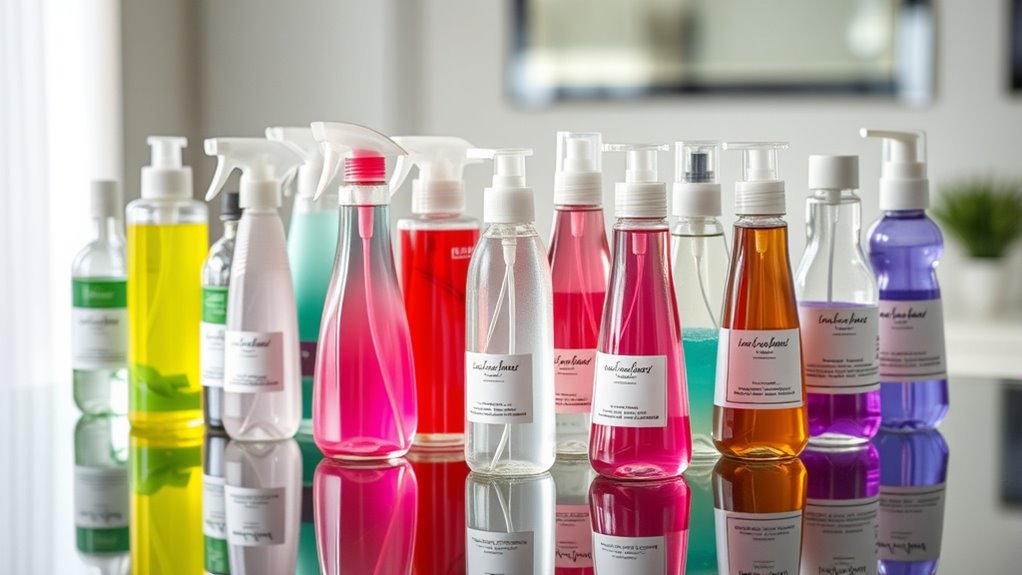

Air fresheners often contain volatile chemicals and synthetic fragrances that can impact your health, especially with frequent use. These products release volatile organic compounds (VOCs) and allergens into the air, which may cause respiratory issues, headaches, or allergies over time. Some ingredients are hidden on labels, making exposure hard to recognize. Being aware of what’s inside and choosing safer options can help protect your health—there’s more to contemplate if you stay informed.
Key Takeaways
- Air fresheners contain volatile chemicals, including synthetic fragrances and solvents, which evaporate into the air.
- Many products release VOCs that can irritate lungs, skin, and exacerbate allergies or asthma.
- Hidden ingredients and artificial fragrances make it difficult to identify potential allergens and health risks.
- Natural alternatives like essential oils are generally safer and contain fewer harmful chemicals.
- Proper ventilation and limited use reduce chemical buildup and lower health risks associated with air fresheners.
Air fresheners are a popular way to quickly mask odors and make your home smell inviting, but their safety isn’t always guaranteed. Many products contain volatile chemicals that evaporate into the air, creating the pleasant scent you enjoy. However, these chemicals can also pose health risks. Volatile chemicals, such as synthetic fragrances and solvents, are designed to disperse quickly, but they can linger in your environment, especially if used excessively. When inhaled over time, these chemicals may contribute to respiratory issues or other health problems. It’s important to understand that not all scents are harmless; some contain compounds that can irritate your lungs or skin, particularly if you have allergies or sensitivities.
In addition to their chemical composition, air fresheners often contain ingredients that act as allergy triggers. Many commercial products include artificial fragrances, dyes, and preservatives, which can provoke allergic reactions in sensitive individuals. You might notice symptoms like sneezing, coughing, headaches, or itchy eyes after using certain air fresheners. For allergy sufferers, exposure can be especially problematic, leading to heightened asthma symptoms or other respiratory complications. Some products even release volatile organic compounds (VOCs), which can exacerbate allergy symptoms or cause new sensitivities to develop over time. Because these chemicals are often hidden within a product’s ingredient list, it’s difficult to know exactly what you’re exposing yourself to unless you read labels carefully. Additionally, choosing products with regulated ingredients can help minimize potential health risks.
It’s tempting to rely on air fresheners for convenience, but being aware of what’s inside them helps you make safer choices. Natural alternatives, such as essential oils or homemade sprays, often contain fewer volatile chemicals and are less likely to trigger allergies. If you choose to use commercial air fresheners, opt for those labeled as free from synthetic fragrances or VOCs, and use them sparingly. Proper ventilation is key—opening windows or using exhaust fans can help disperse chemical odors more quickly, reducing your exposure. Remember, even though these products are marketed to make your space smell better, they can also introduce substances that might harm your health, especially if you’re prone to allergies or respiratory issues. By understanding what’s in your air fresheners and choosing wisely, you can enjoy a fresh-smelling home without compromising your well-being.
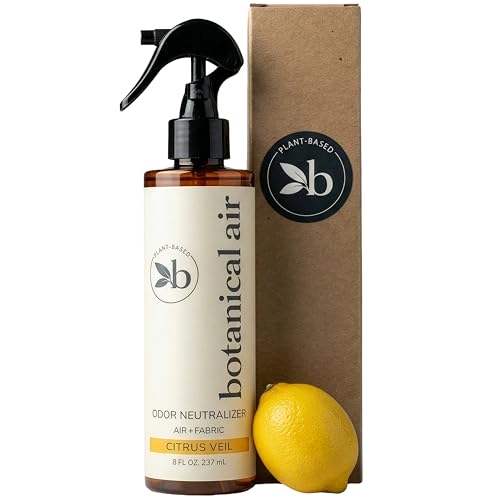
Botanical Air Plant-Based Odor Eliminator Spray – Natural Essential Oil Air Freshener for Home, Bathroom, Fabrics & Pet Areas – 8 oz (Citrus Veil)
Science-driven odor reduction: Botanical Air uses a proprietary botanical formula with plant-derived active molecules designed to eliminate smells…
As an affiliate, we earn on qualifying purchases.
As an affiliate, we earn on qualifying purchases.
Frequently Asked Questions
Do Air Fresheners Cause Long-Term Health Effects?
Yes, air fresheners can cause long-term health effects. You might be exposed to chemical emissions that linger in your home, which can lead to respiratory issues or hormonal disruption over time. Continuous inhalation of these chemicals may affect your body’s endocrine system, potentially causing hormonal imbalances. To protect your health, consider reducing usage or opting for natural alternatives that don’t emit harmful chemicals.
Are Natural Air Fresheners Completely Safe?
Natural air fresheners are generally safer, but they’re not completely risk-free. Studies show that fragrance chemicals in these products can still trigger allergies or sensitivities in some people. While natural alternatives like essential oils avoid synthetic chemicals, they may contain allergens too. Always check labels, and test new products cautiously. Remember, no air freshener is entirely without potential health effects, so use them in moderation for a safer environment.
Can Air Fresheners Trigger Allergies or Asthma?
Yes, air fresheners can trigger allergies or asthma, especially if you have sensitivities to synthetic fragrances or chemical sensitivities. When you use sprays or plug-ins, the chemicals released can irritate your airways, causing symptoms like coughing, wheezing, or sneezing. To lessen risks, opt for natural alternatives or make sure proper ventilation. Always read labels to avoid products with known irritants, especially if you’re prone to respiratory issues.
What Are the Safest Types of Air Fresheners?
You should choose natural or plant-based air fresheners to stay safe. These products avoid chemical fragrances and synthetic compounds that can cause allergies or respiratory issues. Look for options labeled as free from artificial fragrances and harsh chemicals. Using essential oils or homemade solutions can also be safer choices. Always read labels carefully to make sure you’re avoiding synthetic compounds and chemical fragrances that might affect your health.
How Do Scent Ingredients Affect Indoor Air Quality?
Scent ingredients in air fresheners can impact your indoor air quality by releasing chemical emissions and scent molecules into the air. These chemicals can irritate your respiratory system, trigger allergies, or cause headaches. When you use air fresheners with synthetic scents, you introduce more chemical emissions and scent molecules that linger in the air, potentially reducing air quality and affecting your overall health. Opt for natural alternatives to minimize these effects.

Cashmere Cocoon Luxury Small Space Air & Linen Freshener Spray – Creamy Coconut + Amber Musk – Artisan Blended Home Fragrance – Non Toxic Room Spray + Odor Eliminator – 2 oz Travel Size
ARTISAN BLENDED FRAGRANCE – a soft indulgent blend of creamy coconut and golden amber, melting into jasmine-kissed cocoa…
As an affiliate, we earn on qualifying purchases.
As an affiliate, we earn on qualifying purchases.
Conclusion
So, next time you spray that air freshener, remember, you’re releasing a tiny army of chemicals into your home. It’s like inviting a squad of invisible invaders that could take over your lungs and your health! Don’t underestimate the power of those fragrances—they might smell nice, but they could be secretly plotting to turn your living space into a toxic battleground. Stay cautious, and don’t let those innocent-looking cans fool you!

LEVOIT Air Purifier for Home Allergies Pet Hair in Bedroom, Covers Up to 1073 ft² by 56W High Torque Motor, AHAM VERIFIDE, 3-in-1 Filter with HEPA Sleep Mode, Remove Dust Smoke Odor, Core300-P, White
WHY CHOOSE AHAM VERIFIDE AIR PURIFIERS: AHAM (Association of Home Appliance Manufacturers) is an ANSI-accredited organization that sets…
As an affiliate, we earn on qualifying purchases.
As an affiliate, we earn on qualifying purchases.
Botanical Air Plant-Based Odor Eliminator Spray – Natural Essential Oil Air Freshener for Home, Bathroom, Fabrics & Pet Areas – 8 oz (Citrus Veil)
Science-driven odor reduction: Botanical Air uses a proprietary botanical formula with plant-derived active molecules designed to eliminate smells…
As an affiliate, we earn on qualifying purchases.
As an affiliate, we earn on qualifying purchases.