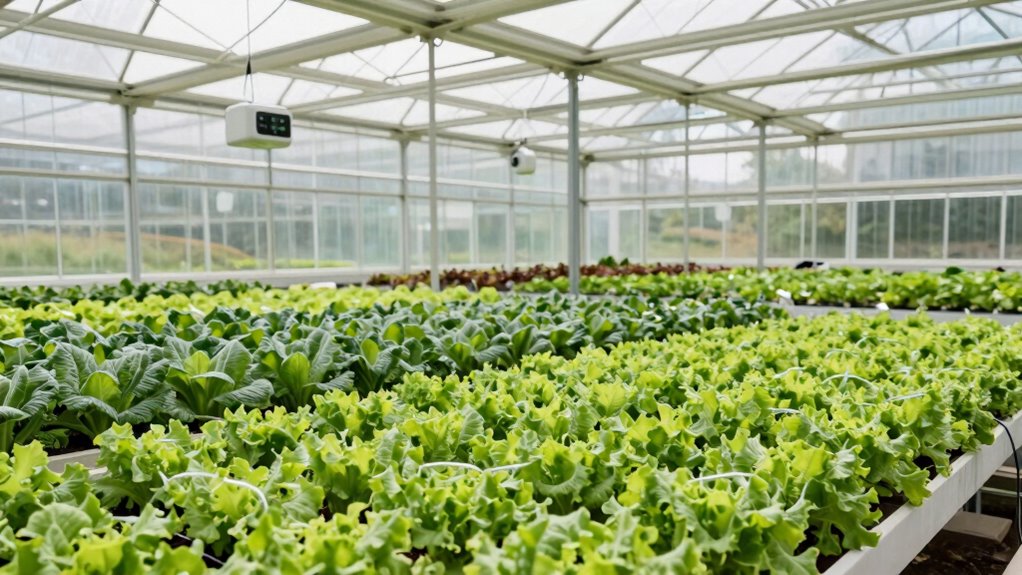

In controlled environment agriculture (CEA), managing inputs like light, water, nutrients, and climate controls plays a vital role in boosting crop yields while promoting sustainability. You can optimize these resources with advanced technologies such as LED lighting, precise watering systems, and automated climate controls. By fine-tuning these inputs, you’ll reduce waste, energy use, and environmental impact. Keep exploring to discover how innovative input management can transform your agricultural practices and maximize efficiency.

Get school and study supplies delivered free — and shop member deals
- Fast, free delivery on millions of items
- Access to Prime Big Deal Days deals on October 6–7
- Prime Video, Amazon Music and more included
Key Takeaways
- Advances in technology enable precise control of light, water, nutrients, and climate, optimizing plant growth in CEA systems.
- Sustainable input management reduces environmental impact and resource waste, supporting eco-friendly agricultural practices.
- LED lighting and automated nutrient delivery enhance efficiency, crop quality, and faster harvest cycles.
- Water conservation techniques, like recirculating systems, are vital for resource efficiency in water-scarce regions.
- Automated climate control ensures consistent, ideal growing conditions, boosting productivity and operational sustainability.
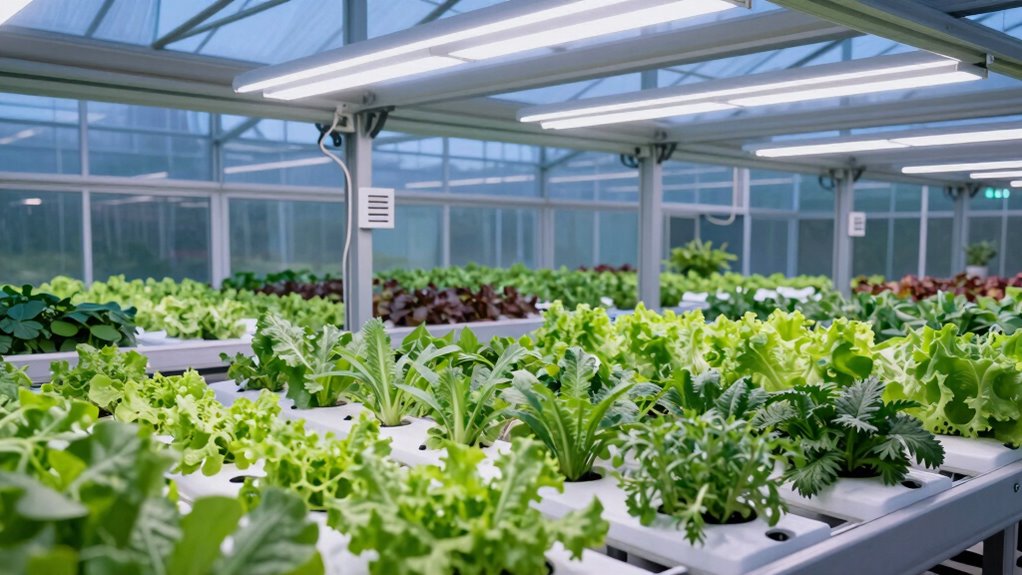
Have you ever wondered what makes controlled environment agriculture (CEA) so efficient and productive? The secret lies in the inputs you select and how you optimize them within the system. These inputs—light, water, nutrients, and climate controls—play a critical role in maximizing yields while minimizing waste. As you explore this field, you’ll notice that sustainable practices are at the core of modern CEA operations. By using resources more efficiently and reducing environmental impact, growers can produce higher-quality crops with fewer inputs. Technological advancements further enhance this efficiency, allowing you to precisely control environmental factors and monitor plant health in real time. This integration of innovative tools and sustainable methods is transforming traditional farming into a smarter, more responsible practice.
Optimizing inputs and embracing technology make controlled environment agriculture more efficient, sustainable, and profitable.
In CEA, light management is essential. You can harness LED lighting systems that are energy-efficient and tailored to the specific needs of different crops. These advanced lighting options reduce energy consumption compared to traditional sunlight or older lighting technologies, aligning with sustainable practices. By adjusting light spectra and durations, you guarantee optimal photosynthesis and growth, which leads to faster harvests and better crop quality. Water use is another indispensable input that benefits from technological advancements. Drip irrigation systems and recirculating hydroponic setups allow you to deliver precise amounts of water directly to the roots, drastically reducing waste. These systems also help you conserve water in areas where it’s scarce, making your operation more sustainable overall. Water conservation is a key benefit of these efficient systems. Additionally, the use of natural filtration systems in some setups can further improve water quality while reducing reliance on chemicals.
Nutrient delivery in CEA has also seen significant improvements. You can now use automated fertigation systems that supply plants with the right balance of nutrients at the right times. This precision prevents over-fertilization, which can harm plants and the environment, and under-fertilization, which stunts growth. These practices align with sustainability by reducing runoff and pollution. Climate control inputs—such as temperature, humidity, and CO2 levels—are managed through sophisticated sensors and automation, giving you granular control over the environment inside your grow space. This not only enhances plant growth but also reduces energy consumption by optimizing HVAC and ventilation systems.
Ultimately, the inputs you choose and how you manage them define your success in controlled environment agriculture. Embracing sustainable practices guarantees you’re reducing your ecological footprint, while technological advancements provide the tools to fine-tune every aspect of growth. As you continue to innovate and adapt, you’ll find that CEA becomes more efficient, more sustainable, and more profitable—pushing the boundaries of what’s possible in modern farming.
LED grow lights for indoor farming
As an affiliate, we earn on qualifying purchases.
As an affiliate, we earn on qualifying purchases.
Frequently Asked Questions
How Do CEA Inputs Impact Overall Crop Yield Quality?
Controlled environment agriculture inputs markedly boost crop yield quality by optimizing nutrient management, ensuring your plants receive the right nutrients at the right time for healthier growth. They also enhance pest control, reducing the need for harmful chemicals and protecting crop integrity. By fine-tuning these inputs, you create a stable environment that promotes better flavor, texture, and overall quality, making your crops more appealing and marketable.
Are CEA Inputs Environmentally Sustainable Long-Term?
You might wonder if CEA inputs are sustainable long-term. They can be, if you focus on sustainability metrics like energy efficiency, water use, and resource recycling. While controlled environment agriculture often reduces ecological footprints compared to traditional farming, it still consumes significant energy. To guarantee long-term sustainability, you need to optimize inputs, incorporate renewable energy, and continuously monitor ecological impacts, making it a viable option for future food production.
What Are the Initial Costs for Implementing CEA Inputs?
They say, “You get what you pay for,” and that rings true for CEA inputs. The initial costs vary, including high-tech equipment, climate control systems, and infrastructure. Conducting a thorough cost analysis helps you understand these expenses. Investment strategies like phased implementation or seeking grants can reduce upfront financial burdens. While costly initially, long-term benefits often outweigh these costs, making CEA a worthwhile investment for sustainable, efficient farming.
How Do CEA Inputs Vary Across Different Crop Types?
You’ll find that CEA inputs vary across crop types mainly in nutrient formulations and pest management strategies. For leafy greens, you use precise nutrient mixes for rapid growth, while fruiting crops might need different formulations. Pest management also shifts—integrated pest control for delicate herbs differs from more robust strategies for strawberries. Adjusting these inputs guarantees peak yields and quality, tailored to each crop’s unique needs within the controlled environment.
What Innovations Are Emerging in CEA Input Technologies?
You’ll see innovations like smart automation and nutrient optimization in CEA input technologies. These advancements allow you to precisely control environmental factors, improving crop yields and quality. Smart automation systems adjust lighting, temperature, and humidity automatically, reducing labor. Nutrient optimization tools analyze plant needs in real-time, ensuring efficient use of resources. Together, these innovations make controlled environment agriculture more efficient, sustainable, and capable of meeting increasing food demands.
automated hydroponic watering system
As an affiliate, we earn on qualifying purchases.
As an affiliate, we earn on qualifying purchases.
Conclusion
Controlled environment agriculture inputs are revolutionizing how you grow food indoors. With a projected market growth rate of over 20% annually, it’s clear this industry is booming. By using advanced lighting, nutrients, and climate controls, you can boost yields and quality while conserving resources. Embracing these innovations means you’re part of a sustainable future, ensuring fresh produce year-round, regardless of external conditions. It’s an exciting time to be involved in modern farming!
climate control system for indoor gardens
As an affiliate, we earn on qualifying purchases.
As an affiliate, we earn on qualifying purchases.
As an affiliate, we earn on qualifying purchases.
Fall Picks
fall essentials
As an affiliate, we earn on qualifying purchases.





![Competitive Programmer's Handbook (2018) [Pdf]](https://varietychem.com/wp-content/uploads/2026/10/competitive-programmer-s-handbook-2018-pdf-featured-260x140.jpg)