TL;DR

Get school and study supplies delivered free — and shop member deals
- Fast, free delivery on millions of items
- Access to Prime Big Deal Days deals on October 6–7
- Prime Video, Amazon Music and more included
The FAO has confirmed that the upcoming El Niño will cause severe drought in certain regions. Experts warn this could threaten food security and water supplies. Details on affected areas are now available.
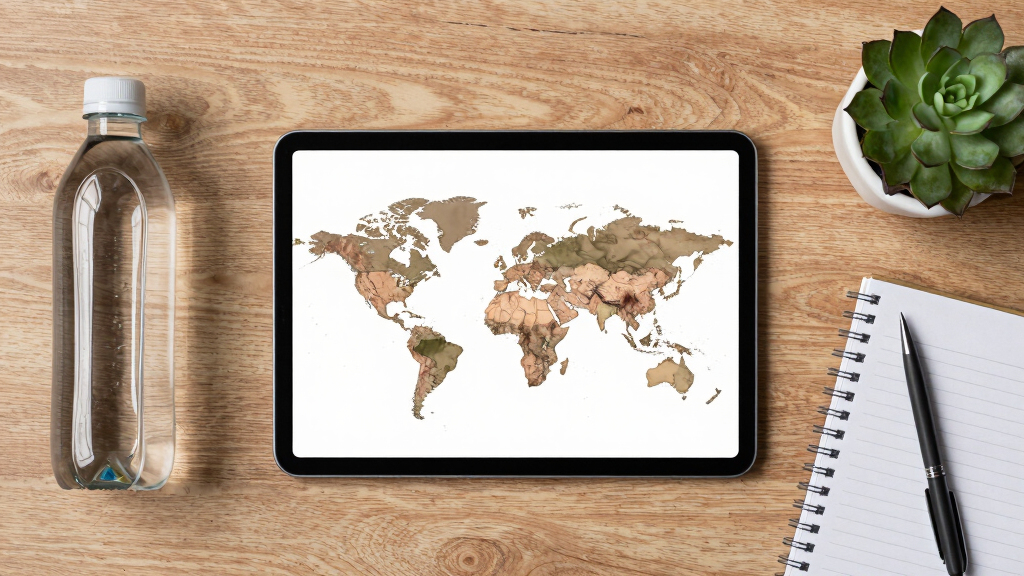
The Food and Agriculture Organization (FAO) has confirmed that the upcoming El Niño will likely cause severe drought in specific regions, including parts of Africa, South America, and Southeast Asia. This development is crucial as it signals potential threats to food security and water resources in vulnerable areas, prompting urgent preparedness measures.
The FAO’s recent forecast is based on climate models predicting the intensification of El Niño conditions, which historically correlate with droughts in certain parts of the world. According to FAO spokesperson Maria Lopez, “Our analysis indicates that regions such as eastern Africa, southern Brazil, and parts of Southeast Asia are at high risk of experiencing significant droughts during this El Niño cycle.” The forecast identifies these areas as most vulnerable to reduced rainfall, crop failures, and water shortages over the coming months.
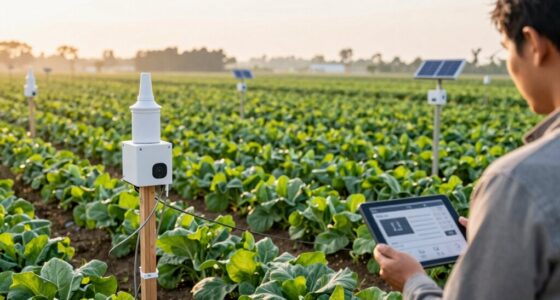
FAO experts emphasize that the drought risk is not uniform and depends on local climate patterns, existing water management practices, and agricultural dependence on rainfall. The agency has also highlighted that early warning can help mitigate impacts through better resource management and targeted aid. The forecast is based on satellite data, climate models, and historical drought patterns linked to El Niño events.
Implications for Global Food Security and Water Resources
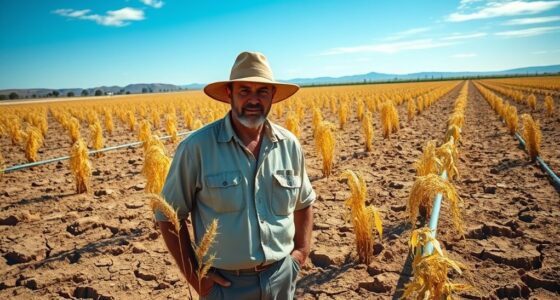
This forecast matters because droughts in these regions could lead to crop failures, livestock losses, and water shortages, exacerbating food insecurity and poverty. Vulnerable populations, especially smallholder farmers and rural communities, face heightened risks of hunger and displacement. The FAO’s identification of high-risk areas allows governments and international agencies to prepare and mobilize resources proactively, potentially reducing the severity of impacts.
water storage containers for drought
As an affiliate, we earn on qualifying purchases.
As an affiliate, we earn on qualifying purchases.
El Niño’s Historical Impact on Droughts and Agriculture
El Niño is a climate phenomenon characterized by the warming of surface waters in the central and eastern Pacific Ocean, which influences weather patterns worldwide. Historically, El Niño events have been linked to droughts in regions such as eastern Africa, southern South America, and parts of Southeast Asia, often causing crop failures and water shortages. The current forecast builds on previous El Niño cycles, with climate models predicting a strong event this year. The FAO has issued similar warnings during past El Niño events, emphasizing the importance of early action to mitigate food security risks.
Recent climate data indicates that global temperatures are rising, potentially intensifying the effects of El Niño. This year’s forecast is part of ongoing efforts by climate scientists and agricultural agencies to better predict and prepare for climate-related disasters.
“”Our analysis indicates that regions such as eastern Africa, southern Brazil, and parts of Southeast Asia are at high risk of experiencing significant droughts during this El Niño cycle.””
— Maria Lopez, FAO spokesperson
As an affiliate, we earn on qualifying purchases.
Uncertainties in Drought Severity and Timing
While the FAO’s forecast pinpoints regions at high risk, the exact severity and timing of droughts remain uncertain. Variability in local climate responses, rainfall patterns, and human interventions can influence outcomes. Additionally, the intensity of the El Niño event itself is still being monitored, and its impact could vary from previous cycles. Experts caution that these forecasts are probabilistic and should be used as guidance rather than precise predictions.
As an affiliate, we earn on qualifying purchases.
Monitoring, Preparedness, and International Response
The FAO and other agencies will continue to monitor climate developments closely, providing updated forecasts and early warnings. Governments in identified regions are advised to strengthen water management, safeguard food supplies, and develop contingency plans. International organizations are preparing aid and support mechanisms to assist vulnerable populations if drought conditions worsen. The next significant step involves integrating these forecasts into national planning and climate resilience strategies.
As an affiliate, we earn on qualifying purchases.
Key Questions
What regions are most at risk from the upcoming El Niño droughts?
Regions identified by the FAO as most vulnerable include eastern Africa, southern Brazil, and parts of Southeast Asia, based on climate models predicting reduced rainfall and drought conditions.
How does El Niño cause droughts?
El Niño influences global weather patterns by warming Pacific Ocean waters, which can disrupt normal rainfall cycles, leading to droughts in some regions and heavy rains in others.
Can droughts caused by El Niño be prevented?
While droughts cannot be prevented, their impacts can be mitigated through early warning systems, improved water management, and targeted aid to vulnerable communities.
When will the drought impacts become most severe?
Impacts are expected to intensify over the coming months, particularly during the peak of the El Niño cycle, which is currently forecasted for mid to late 2024.
What should governments do to prepare?
Governments should reinforce water conservation, support farmers with drought-resistant crops, and establish emergency response plans to address potential food and water shortages.
Source: google-trends
Halloween Picks
halloween
As an affiliate, we earn on qualifying purchases.