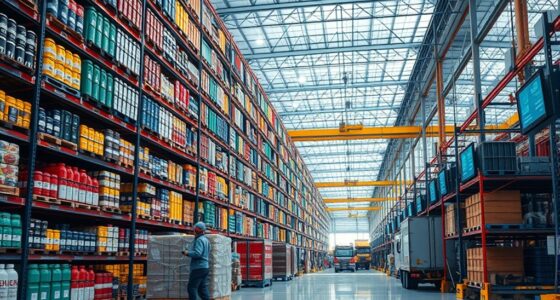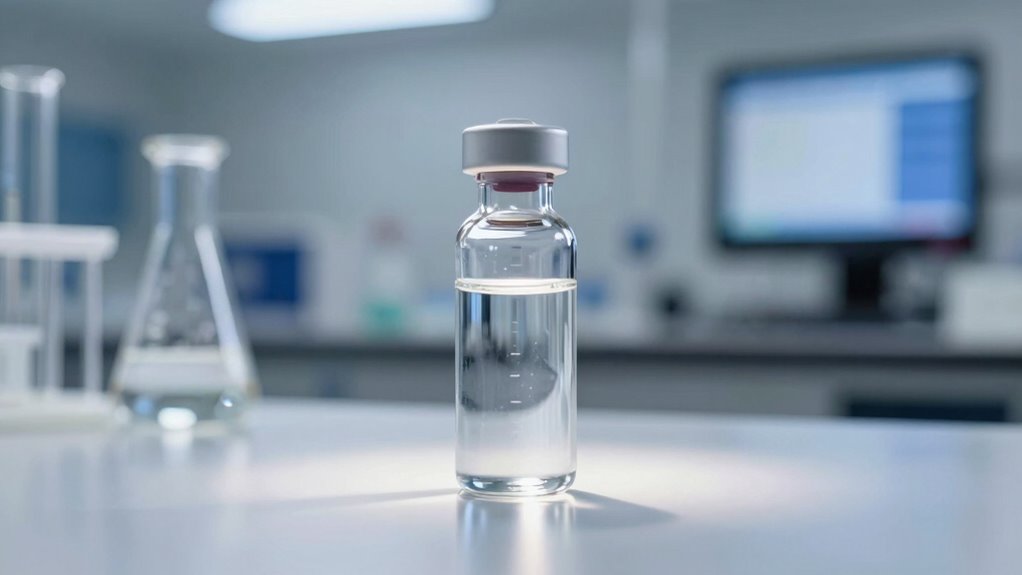

Maintaining high purity levels in your chemical raw materials is essential because it directly impacts product quality, safety, and compliance with industry standards. When impurities are minimized, you reduce risks like equipment damage, safety issues, and regulatory penalties. Higher purity guarantees consistent performance and helps meet strict quality benchmarks critical for sensitive industries. By monitoring and controlling purity levels carefully, you can prevent contamination problems and strengthen your overall manufacturing process—there’s more to discover about how this benefits your operation.

Prime made for students and young adults
- Fast, free delivery for dorm and study essentials
- Prime Video and Amazon Music included
- Member-only deals
Key Takeaways
- High purity reduces impurities that can negatively impact product performance and safety.
- Precise purity measurement ensures raw materials meet industry standards and regulatory requirements.
- Maintaining purity levels prevents equipment damage and preserves process efficiency.
- Consistent purity levels enable reliable batch quality and reproducibility in manufacturing.
- Detecting impurities early helps identify contamination sources, ensuring product integrity.
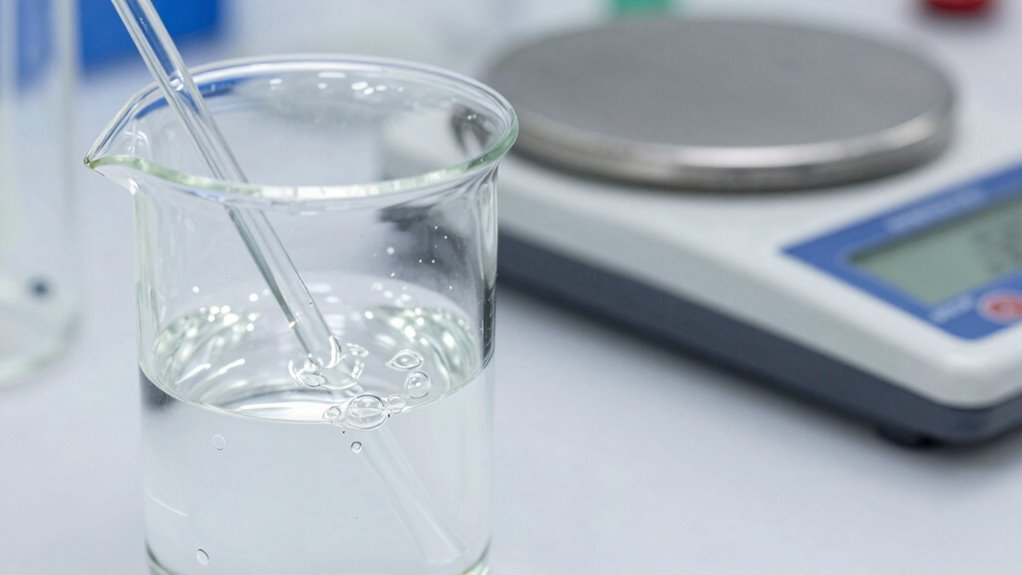
Purity measurement is equally important because it provides a clear, quantifiable assessment of how pure your raw material truly is. High purity levels often mean fewer impurities, which translates to better performance and consistency in your final products. When you accurately measure purity, you can set precise quality benchmarks and ensure your raw materials consistently meet those standards. This consistency is especially significant in industries like pharmaceuticals or electronics, where even minor impurities can lead to substantial issues. Purity measurement isn’t just about checking a box; it’s about guaranteeing that every batch of raw material adheres to strict specifications.
If you overlook impurity detection and purity measurement, you risk introducing contaminants that could compromise your product’s safety or efficacy. For instance, in pharmaceutical manufacturing, impurities in raw materials might cause adverse reactions or reduce the effectiveness of a drug. In industrial applications, impurities can lead to equipment damage, lower product quality, or regulatory non-compliance. That’s why understanding and controlling purity levels isn’t just a best practice – it’s a necessity. Incorporating advanced analytical techniques into your routine can greatly improve detection accuracy and process control. Moreover, utilizing reliable analytical methods** ensures that your purity assessments are both accurate and repeatable, which is essential for maintaining industry standards. Proper quality control procedures** can also help you identify potential sources of contamination early in your supply chain.
To maintain high purity levels, you should incorporate routine impurity detection and purity measurement into your quality control process. Use reliable analytical methods and keep detailed records to monitor trends over time. This approach helps you identify potential issues early and make informed decisions about raw material sourcing or processing adjustments. Additionally, selecting the right projector technology can ensure consistent quality in visual displays, much like maintaining purity standards in raw materials ensures product integrity. Conducting thorough impurity analysis also enables you to stay ahead of regulatory requirements and industry standards. Ultimately, the better you understand and control impurity levels, the more confident you can be that your final products are safe, effective, and of consistent quality. This proactive stance not only safeguards your reputation but also ensures compliance with industry standards, giving you peace of mind that your products meet the highest purity requirements.
high purity chemical raw materials
As an affiliate, we earn on qualifying purchases.
As an affiliate, we earn on qualifying purchases.
Frequently Asked Questions
How Is Purity Measured in Chemical Raw Materials?
You measure purity in chemical raw materials through purity testing, which involves analyzing samples to identify contaminants or impurities. Techniques like chromatography, spectroscopy, and titration help guarantee precise results. By conducting thorough purity testing, you control contamination effectively, maintaining high-quality standards. This process is essential because it guarantees that your raw materials meet strict purity levels, reducing risks and ensuring consistent, reliable outcomes in your chemical applications.
What Factors Influence Purity Levels During Production?
Imagine the stakes: purity verification can be compromised by hidden contamination sources. You influence purity levels during production through meticulous control of raw materials, equipment cleanliness, and process conditions. Even minor contamination sources, like air, water, or handling, threaten to lower purity. Every step matters—skipping details could lead to costly errors, making it essential you monitor and optimize each factor to guarantee the highest purity in your chemical raw materials.
Can Purity Levels Vary Between Suppliers?
Yes, purity levels can vary between suppliers. You should look for supplier consistency and request purity certification to guarantee you get high-quality raw materials. Different manufacturers may use varying processes or raw inputs, affecting purity. By verifying certifications and checking supplier track records, you can confidently select materials that meet your required purity standards, minimizing risks and ensuring maximum performance in your applications.
How Do Impurities Affect Chemical Raw Material Performance?
Impurities are like unwanted guests at a party—disrupting the harmony of your chemical raw material’s performance. They stem from impurity sources during production and handling, potentially causing reactions to be unpredictable or inefficient. These contaminants can weaken the material’s purity, jeopardizing purity optimization efforts, and leading to compromised product quality. Maintaining impurities in check guarantees your raw materials perform reliably and meet strict quality standards.
What Are the Industry Standards for Purity Levels?
Industry standards for purity levels vary by application, but generally, you should look for suppliers offering purity certification to guarantee high-quality raw materials. Regulatory compliance is essential, especially in pharmaceuticals and food industries, where strict purity thresholds are enforced. You need to verify that the materials meet these standards, reducing risks and ensuring safety. Maintaining high purity levels through certified products helps you stay compliant and guarantees peak performance of your chemical processes.
impurity detection analytical instruments
As an affiliate, we earn on qualifying purchases.
As an affiliate, we earn on qualifying purchases.
Conclusion
Just like a crystal’s clarity reveals its true beauty, the purity of your raw materials defines your final product’s excellence. When you choose high-purity chemicals, you’re forging a foundation as solid as unbreakable glass—resilient and pure. Never underestimate the power of this transparency; it symbolizes trust, precision, and integrity in every application. In the end, purity isn’t just a level—it’s the essence of your success, shining through every detail like a beacon of quality.
quality control testing kits for chemicals
As an affiliate, we earn on qualifying purchases.
As an affiliate, we earn on qualifying purchases.
spectrophotometer for purity measurement
As an affiliate, we earn on qualifying purchases.
As an affiliate, we earn on qualifying purchases.
Fall Picks
fall essentials
As an affiliate, we earn on qualifying purchases.