
Bio-based raw materials are increasingly gaining ground in manufacturing because they offer sustainable, biodegradable options that minimize environmental impact. You can support long-term resource availability and reduce reliance on finite fossil fuels. These materials often require less energy for processing and are compatible with existing production methods, making the switch easier. As this trend grows, you’ll discover how these eco-friendly choices benefit both the planet and your industry when you explore further.

Prime made for students and young adults
- Fast, free delivery for dorm and study essentials
- Prime Video and Amazon Music included
- Member-only deals
Key Takeaways
- Increasing consumer demand drives manufacturers to adopt biodegradable and renewable bio-based raw materials.
- Bio-based materials reduce environmental impact and greenhouse gas emissions in production processes.
- They often lower energy costs and are compatible with existing manufacturing technologies.
- Sourcing from agricultural byproducts supports sustainability and local economies.
- Innovation in bio-based materials enhances eco-friendly product development and responsible supply chains.
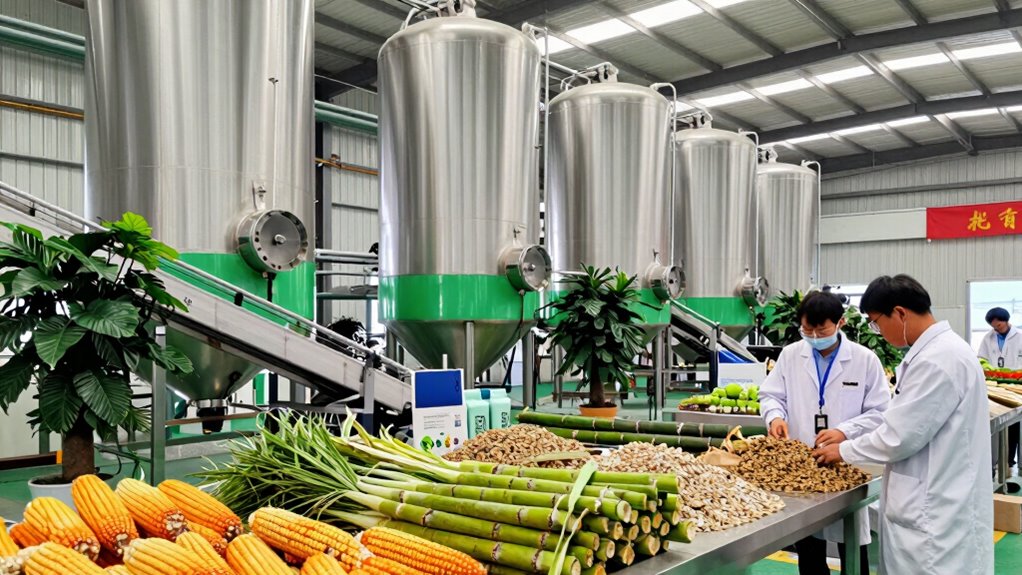
As industries seek sustainable solutions, bio-based raw materials have become a pivotal alternative to traditional petroleum-derived inputs. You’re likely noticing a shift towards materials sourced from renewable biological resources, driven by the urgent need for environmentally responsible manufacturing. Sustainable sourcing plays a key role here, guaranteeing that raw materials are obtained in ways that minimize environmental impact and support long-term ecological balance. By choosing bio-based options, you’re helping to reduce reliance on finite fossil fuels and lowering greenhouse gas emissions, which is essential in addressing climate change.
In manufacturing, the appeal of biodegradable alternatives is growing rapidly. These materials break down naturally over time, leaving little to no harmful residues behind. When you incorporate biodegradable raw materials into your processes, you’re not only making your products more eco-friendly but also contributing to waste reduction. This shift aligns with consumer demand for sustainable products and helps your brand stand out in a competitive market. From packaging to components, biodegradable options are versatile and increasingly accessible, making it easier for you to adopt eco-conscious practices across your operations.
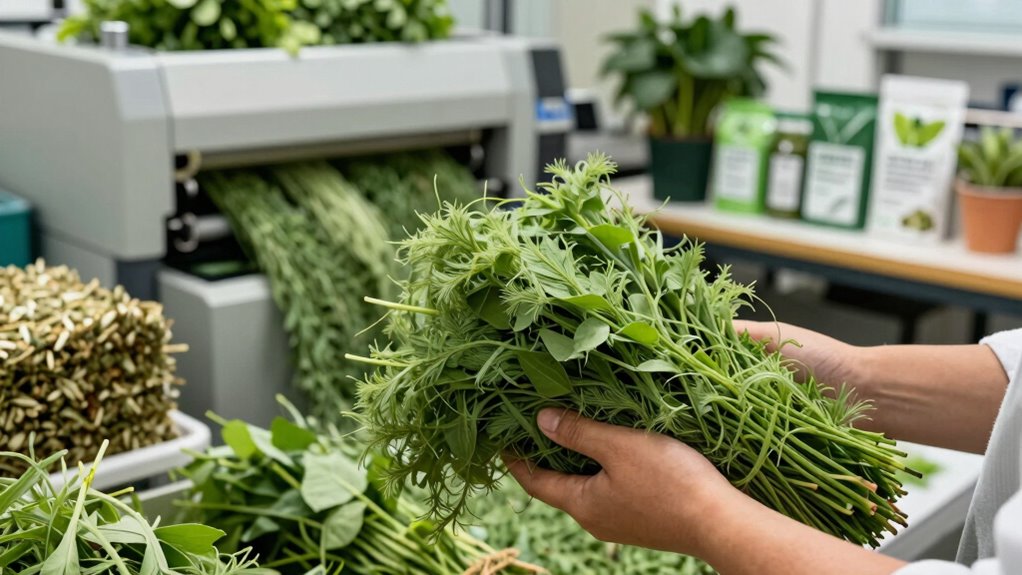
The benefits extend beyond environmental impact. Using bio-based raw materials often results in lower processing energy requirements, which means you can reduce operational costs while staying eco-friendly. These materials are also compatible with existing manufacturing techniques, allowing for a smooth transition without extensive equipment modifications. As you explore sourcing options, you’ll find that many bio-based materials come from agricultural byproducts or renewable plant sources, reinforcing the sustainability of your supply chain. This not only supports local agriculture and economies but also guarantees you’re using resources that would otherwise go to waste. Additionally, fire pits and outdoor amenities can enhance eco-friendly backyard transformations, creating inviting spaces that promote sustainable living. Embracing innovations in biodegradable materials ensures your business remains at the forefront of sustainable manufacturing practices, especially as sustainable sourcing becomes an increasingly critical aspect of responsible production. Moreover, understanding philosophical insights on existence and ethics can deepen your commitment to ethical sourcing and environmentally conscious decision-making.
biodegradable packaging materials
As an affiliate, we earn on qualifying purchases.
As an affiliate, we earn on qualifying purchases.
Frequently Asked Questions
How Do Bio-Based Materials Compare Cost-Wise to Traditional Materials?
You might find that bio-based materials can be more expensive initially due to cost fluctuations and supply chain complexities. However, as demand grows and production scales up, prices often decrease, making them more competitive with traditional materials. While they might still cost more upfront, their environmental benefits and potential for long-term savings could outweigh the higher initial expenses, especially as supply chains stabilize.
What Are the Main Environmental Benefits of Using Bio-Based Raw Materials?
You might find it surprising, but using bio-based raw materials offers significant environmental benefits. They help create eco-friendly packaging and reduce reliance on fossil fuels, making industries more sustainable. These renewable resource advantages mean lower carbon emissions and less pollution. By choosing bio-based options, you support a healthier planet, as they decompose more easily and have a smaller ecological footprint, contributing to long-term environmental preservation.
Are There Any Limitations in Sourcing Bio-Based Raw Materials Globally?
Yes, sourcing bio-based raw materials globally can pose supply chain challenges. You might face limitations like inconsistent availability, geographic constraints, and fluctuating costs. These sourcing challenges can disrupt production schedules and increase expenses. Additionally, ensuring sustainable and ethical sourcing practices adds complexity. To overcome this, you need to develop diversified supply chains, build strong relationships with suppliers, and stay adaptable to changing market conditions and environmental regulations.
How Do Bio-Based Materials Impact Product Durability and Lifespan?
Bio-based materials can revolutionize your products, but they might face biodegradation concerns that impact durability and lifespan. You could worry about premature breakdown, but modern innovations are enhancing stability. While they boost sustainability, they also improve supply chain stability by reducing reliance on fossil fuels. With proper treatment, these materials maintain strength and longevity, ensuring your products last longer and stay resilient, even in challenging environments.
What Are Future Technological Advancements Expected to Improve Bio-Based Materials?
You’ll see future technological advancements through innovative processing that enhances bio-based materials’ strength and durability. Material innovations will focus on creating more sustainable and high-performance options, such as bio-composites and biodegradable plastics. These improvements aim to make bio-based materials more versatile for various applications, increasing their lifespan and reliability. Expect breakthroughs that reduce costs and boost efficiency, enabling wider adoption and supporting environmentally friendly manufacturing practices.
bio-based raw materials for manufacturing
As an affiliate, we earn on qualifying purchases.
As an affiliate, we earn on qualifying purchases.
Conclusion
You should consider how bio-based raw materials are transforming manufacturing. They now account for nearly 15% of global raw material consumption, signaling a significant shift toward sustainability. As you explore greener options, you’ll find these materials not only reduce environmental impact but also often lower costs in the long run. Embracing bio-based resources means you’re helping shape a more sustainable future, making your business more resilient and eco-friendly in the process.
sustainable industrial raw materials
As an affiliate, we earn on qualifying purchases.
As an affiliate, we earn on qualifying purchases.
renewable plant-based raw materials
As an affiliate, we earn on qualifying purchases.
As an affiliate, we earn on qualifying purchases.
Fall Picks
fall essentials
As an affiliate, we earn on qualifying purchases.