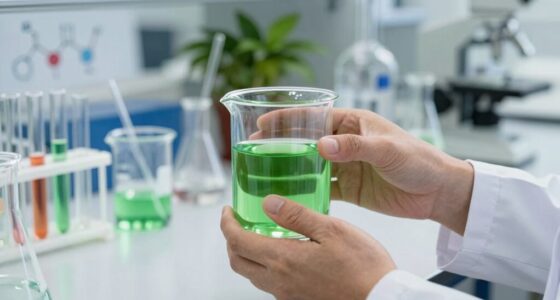
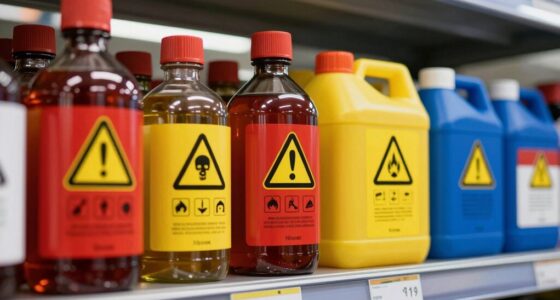
Eyewash stations support emergency preparedness by enabling you to quickly respond to eye injuries caused by chemicals or irritants. They provide immediate flushing, reducing the risk of permanent damage and supporting safe recovery. Proper installation, regular maintenance, and staff training guarantee you’re ready when an incident occurs. By prioritizing these safety measures, you demonstrate your commitment to a secure environment. Keep exploring how these stations play an essential role in effective emergency response and workplace safety.
Listen free for 30 days with Audible
Thousands of audiobooks and originals — cancel anytime.
As an affiliate, we earn on qualifying purchases.
Key Takeaways
- Provide immediate flushing to minimize eye damage during chemical or irritant exposure.
- Ensure rapid response, reducing the time harmful substances remain in the eye.
- Facilitate compliance with safety regulations, demonstrating a proactive safety culture.
- Support training efforts to improve correct and swift use during emergencies.
- Maintain readiness through regular inspections, ensuring equipment functions correctly when needed.

Have you ever considered how quickly you can respond in an eye emergency? When hazardous substances or particles come into contact with your eyes, every second counts. That’s where eyewash stations become essential components of your emergency preparedness plan. They’re designed for immediate use, enabling you to flush out harmful irritants or chemicals swiftly, reducing the risk of permanent damage. Properly maintained and accessible eyewash stations ensure you can act promptly, which is crucial when dealing with eye injuries.
Having eye wash stations in your workplace isn’t just about quick response; it’s also about safety compliance. Many safety regulations and industry standards mandate the installation of eyewash stations in areas where there’s a risk of exposure to harmful substances. This ensures that your organization adheres to legal requirements and promotes a culture of safety. When your team knows that safety measures are in place, it boosts confidence in the workplace environment and encourages everyone to prioritize safety.
Installing eyewash stations ensures safety compliance and builds confidence in a proactive, safety-first workplace culture.
First aid training plays a vital role in maximizing the effectiveness of eyewash stations during emergencies. When you’ve been trained on how to use first aid equipment properly, you’re more likely to respond correctly and efficiently. For example, knowing how to position a person with an eye injury and operate an eyewash station properly can make a significant difference in outcomes. Your training should emphasize the importance of immediate action, proper rinsing techniques, and the need to seek further medical attention after initial treatment. This knowledge ensures you’re prepared to react swiftly and confidently, minimizing the damage caused by exposure to hazardous materials. Regular safety equipment inspections help ensure that your eyewash stations are functional and ready for use in emergencies.
Having eyewash stations ready and well-maintained shows your commitment to safety compliance, but it also reflects a proactive approach to emergency preparedness. Regular inspections and training refreshers should be part of your safety routine. You want to ensure that the eyewash station functions correctly and that everyone knows how to use it effectively in an emergency. Clear signage and unobstructed access are essential so that, in a moment of crisis, there’s no hesitation or confusion. Additionally, understanding the importance of biodiversity and maintaining a safe environment can contribute to overall safety initiatives that protect both people and the surrounding ecosystem.
In the end, eye emergencies demand immediate action, and eyewash stations are your first line of defense. They support your overall emergency preparedness by enabling rapid response, helping you meet safety standards, and reinforcing the importance of first aid training. When you invest in these safety measures, you’re not just complying with regulations — you’re protecting your team’s health and well-being, ensuring that everyone is ready to handle eye injuries swiftly and effectively. Proper safety equipment maintenance is crucial to ensure these stations are always ready when needed.
As an affiliate, we earn on qualifying purchases.
Frequently Asked Questions
How Often Should Eyewash Stations Be Inspected and Maintained?
You should inspect and maintain eyewash stations daily to make sure they’re functioning properly, following safety protocols. Regular checks help identify issues like leaks or blockages promptly. Additionally, adhere to maintenance schedules set by the manufacturer or safety guidelines, typically involving weekly or monthly inspections and annual testing. Consistent maintenance guarantees quick, effective responses during emergencies and keeps your workplace compliant with safety standards.
Are There Different Types of Eyewash Stations for Specific Industries?
Yes, there are industry-specific eyewash stations designed for maximum safety and efficiency. You’ll find customization options tailored to extreme conditions, like chemical-resistant models for the chemical industry or splash-proof designs for laboratories. These specialized stations guarantee safety measures match the unique hazards in your industry, providing targeted protection. By choosing the right, customized eyewash station, you’re proactively safeguarding your team’s eyes against industry-specific dangers—making safety not just a rule, but a priority.
What Training Is Required for Proper Eyewash Station Use?
You need to receive proper training on eyewash station use, focusing on safety protocols and emergency procedures. This involves understanding how to activate the station quickly, position yourself correctly, and flush your eyes thoroughly to prevent injury. Regular drills and instructions guarantee you’re prepared in emergencies. Training helps you respond confidently, minimizing harm and supporting overall safety in your workplace, especially in hazardous environments where eye injuries are a risk.
How Quickly Should Eyes Be Rinsed After Exposure?
You should rinse your eyes immediately after chemical exposure—don’t wait a second longer, or you risk serious damage. Quick action is vital in first aid procedures, as delays can worsen injury. Use the eyewash station right away to flush out harmful substances, ideally within seconds of exposure. Prompt rinsing minimizes damage and helps protect your eyesight, demonstrating the importance of knowing emergency procedures beforehand.
Are Portable Eyewash Stations Effective in Emergencies?
Yes, portable eyewash stations are effective in emergencies when used properly. They enhance your emergency readiness by providing immediate eye rinsing, which is vital for minimizing injury severity. Portable stations are especially useful in areas lacking fixed units or during fieldwork. Their portability guarantees you can respond quickly, reducing potential damage and supporting safety protocols. Regular maintenance and training ensure their effectiveness when you need them most.
As an affiliate, we earn on qualifying purchases.
Conclusion
Think of eyewash stations as your safety anchors amid stormy hazards—they don’t stop the chaos but guide you back to calm waters. When every second counts, they’re the steady lighthouse illuminating the path to safety through the fog of danger. Embracing these stations isn’t just about compliance; it’s about forging a resilient shield around yourself and others. In the dance of emergency preparedness, eyewash stations are the silent partners that keep hope alive when it matters most.
As an affiliate, we earn on qualifying purchases.
As an affiliate, we earn on qualifying purchases.
NFL season / tailgating Picks
team gear
As an affiliate, we earn on qualifying purchases.