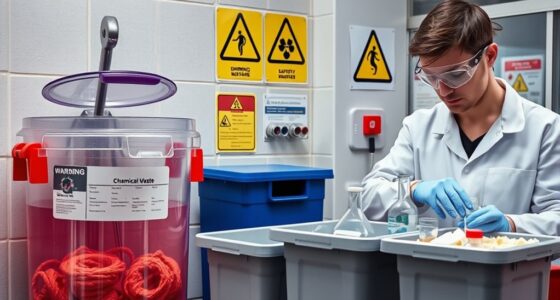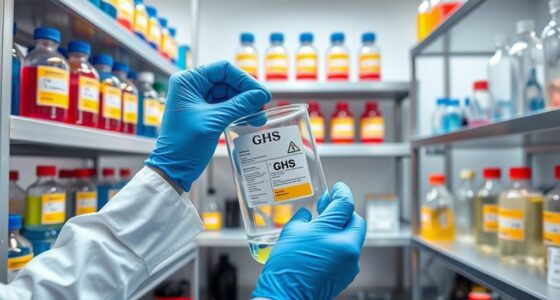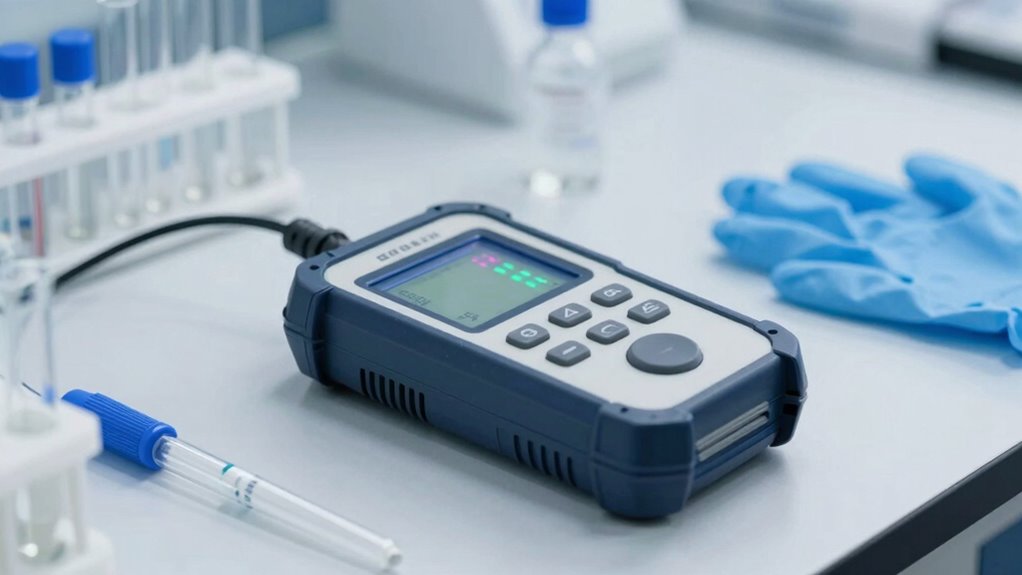

Multi gas detectors boost lab safety by providing real-time alerts for multiple hazardous gases, helping you respond quickly to leaks or dangerous conditions. They serve as a frontline defense, preventing exposure and reducing risks of accidents. Regular calibration and maintenance guarantee their accuracy, while features like alarms and data logging keep you informed. Proper training on their use enhances safety protocols. To understand how these devices create a safer environment, keep exploring their key functions and benefits.

Prime made for students and young adults
- Fast, free delivery for dorm and study essentials
- Prime Video and Amazon Music included
- Member-only deals
Key Takeaways
- Detect multiple hazardous gases simultaneously, providing comprehensive safety coverage in labs.
- Offer real-time alerts to enable quick responses before gas levels become dangerous.
- Regular calibration and maintenance ensure sensor accuracy and reliable hazard detection.
- Equipped with alarms and visual indicators to promptly notify personnel of potential risks.
- Proper staff training ensures effective use, interpretation, and maintenance of detectors for ongoing safety.

Have you ever considered how essential multi-gas detectors are for maintaining safety in a laboratory? These devices serve as your frontline defense against hazardous gas leaks, ensuring you’re promptly alerted to dangerous conditions before they escalate. When properly functioning, they provide real-time data, allowing you to react quickly and prevent accidents. Their importance cannot be overstated, especially in environments where multiple gases are present, and the risk of exposure is high.
To keep your multi-gas detectors reliable, you need to pay close attention to sensor calibration. Regular calibration ensures that the sensors provide accurate readings, which is critical for making informed safety decisions. If sensors drift out of calibration, you might get false readings, leading to dangerous situations or unnecessary shutdowns. Creating a schedule for sensor calibration, following manufacturer guidelines, and documenting each calibration process keeps your detectors trustworthy. By maintaining accurate sensors, you reduce the chance of gas exposure and improve overall lab safety.
Beyond calibration, adhering to strict maintenance protocols is essential. Regular inspections and routine maintenance help identify potential issues before they compromise your detector’s performance. Check for any physical damage, buildup of dust or grime, and ensure all components are functioning correctly. Replace batteries as needed to prevent power failures during critical moments. Clean sensors carefully to avoid contamination that could distort readings. These maintenance steps, when performed consistently, extend the lifespan of your detectors and ensure they operate at peak accuracy.
Multi-gas detectors also offer the advantage of continuous monitoring. They can detect a range of gases simultaneously, alerting you to leaks or unsafe concentration levels across different substances. This extensive coverage simplifies safety management, as you don’t need multiple devices cluttering your workspace. With features like audible alarms, visual indicators, and data logging, these detectors keep you informed and help you track potential issues over time. Additionally, understanding how sensor calibration impacts detector performance is crucial for maintaining their reliability over time.
Proper training on the use and maintenance of the detectors is equally important. You should understand how to interpret alarms, perform routine checks, and troubleshoot common problems. When everyone in the lab is knowledgeable about the device’s operation, you create a safer environment where responses to potential hazards are swift and effective. Combining regular sensor calibration, strict adherence to maintenance protocols, and thorough staff training ensures your multi-gas detectors serve their purpose effectively, protecting you and your colleagues from harm.
multi gas detector for laboratories
As an affiliate, we earn on qualifying purchases.
As an affiliate, we earn on qualifying purchases.
Frequently Asked Questions
How Often Should Multi Gas Detectors Be Calibrated?
You should calibrate your multi gas detector regularly to guarantee detector accuracy. The calibration frequency depends on the manufacturer’s recommendations, typically ranging from weekly to monthly, and after any detector impact or exposure to harsh conditions. Consistent calibration maintains accuracy, reduces false alarms, and ensures safety in your lab. Always follow the specific guidelines provided with your detector to keep it functioning properly and to uphold safety standards.
Are Multi Gas Detectors Suitable for All Laboratory Environments?
Nearly 60% of laboratory accidents involve hazardous gas exposure, making safety essential. Multi gas detectors are generally suitable for most laboratory environments, but their effectiveness depends on proper integration into your lab’s design and safety protocols. You should consider specific risks and gas types present. Tailoring detectors to your lab’s unique needs ensures thorough safety, helping prevent accidents and protect everyone working in the space.
What Maintenance Is Required for Multi Gas Detectors?
You need to regularly maintain your multi gas detector by replacing the batteries when they run low to guarantee uninterrupted operation. Sensor testing is essential; you should calibrate and verify sensors periodically to confirm accurate readings. Additionally, keep the device clean and check for any physical damage. Following these steps helps maintain detector reliability, ensuring your lab environment remains safe and compliant with safety standards.
Can Multi Gas Detectors Detect All Hazardous Gases?
Multi gas detectors can’t detect all hazardous gases, but they’re effective for many common dangers. You rely on gas detection technology to alert you to flammable, toxic, or oxygen-deficient environments, which enhances safety protocols. To guarantee maximum protection, it’s important to regularly calibrate and maintain your detectors. Remember, understanding their limitations helps you implement thorough safety measures, reducing risks and safeguarding everyone in your lab environment.
How Do Multi Gas Detectors Alert Users to Dangerous Levels?
You’ll be alerted to dangerous levels through advanced gas sensor technology integrated into the detector. When hazardous gases reach unsafe concentrations, the alert systems activate, producing audible alarms, visual signals, or both. These immediate notifications allow you to take quick action, ensuring your safety. The combination of reliable gas sensors and clear alert systems makes multi gas detectors essential tools for maintaining a safe lab environment.
As an affiliate, we earn on qualifying purchases.
Conclusion
Incorporating multi gas detectors into your lab is like having a vigilant sentinel watching over your safety at all times. They quickly identify hazards, allowing you to react promptly and prevent accidents. With their reliable monitoring, you can work confidently, knowing danger is kept at bay. Just as a lighthouse guides ships safely through stormy seas, these detectors steer you clear of harm, making your lab a safer, more secure environment for everyone involved.
multi gas detector calibration kit
As an affiliate, we earn on qualifying purchases.
As an affiliate, we earn on qualifying purchases.
As an affiliate, we earn on qualifying purchases.
Halloween Picks
halloween
As an affiliate, we earn on qualifying purchases.