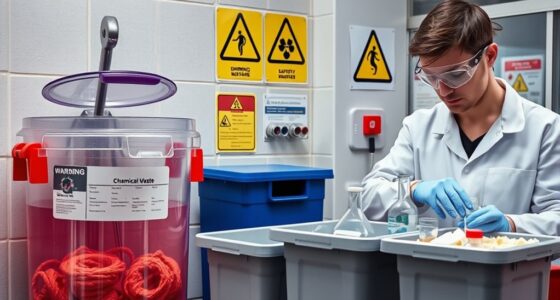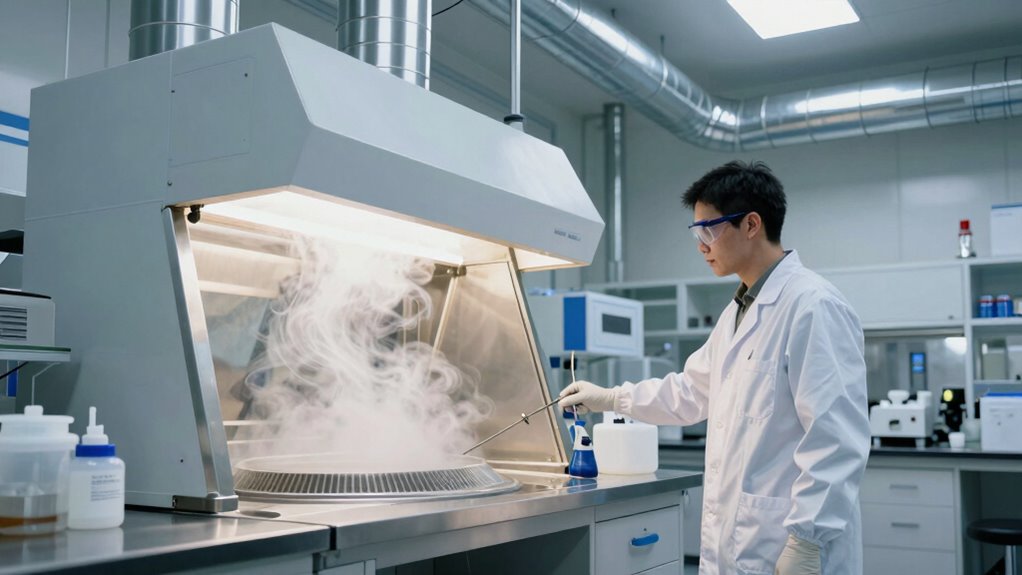

Proper ventilation helps protect you from chemical exposure by controlling airflow and removing contaminated air from your space. It guarantees fresh air replaces hazardous fumes, moving pollutants away from your breathing zone toward exhaust points. Using high-quality filters and optimizing airflow design reduces chemical buildup and captures toxins effectively. Regular maintenance keeps your ventilation system efficient. Understanding these techniques can greatly enhance your safety, and if you stay with us, you’ll discover even more ways to manage indoor air quality.

Prime made for students and young adults
- Fast, free delivery for dorm and study essentials
- Prime Video and Amazon Music included
- Member-only deals
Key Takeaways
- Proper ventilation removes contaminated air and replaces it with fresh air, reducing chemical concentration indoors.
- Strategic airflow minimizes chemical buildup by directing fumes toward exhaust points.
- High-efficiency filters trap harmful particles and VOCs, preventing recirculation of toxins.
- Continuous monitoring ensures ventilation adapts to maintain safe air quality levels.
- Regular maintenance of ventilation systems preserves effectiveness in protecting against chemical exposure.
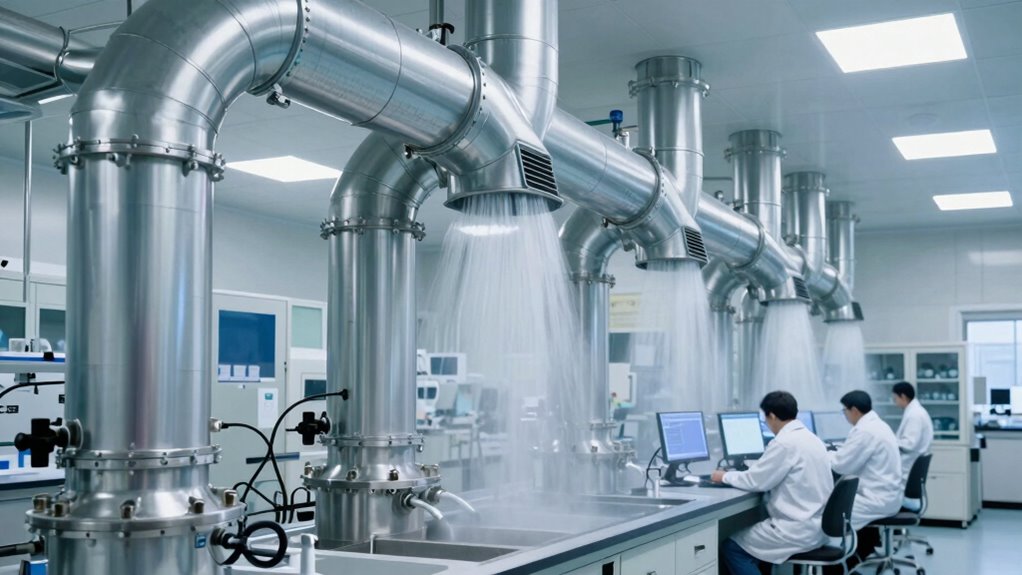
Have you ever wondered how proper ventilation can considerably reduce your risk of chemical exposure? It’s a vital aspect of maintaining a safe environment, especially when dealing with potentially harmful substances. Good ventilation works by controlling airflow, making sure that contaminated air doesn’t linger and that fresh air continually replaces it. When airflow is optimized, the movement of air becomes efficient, preventing the buildup of toxic fumes or airborne chemicals. This isn’t just about opening windows; it involves designing a system that promotes consistent and directed airflow, moving pollutants away from you and toward exhaust points. Proper airflow management minimizes the concentration of hazardous chemicals in your immediate environment, reducing health risks markedly.
Another key factor in effective ventilation is filter efficiency. High-quality filters trap chemical particles and airborne toxins before they can circulate in the indoor space. You want filters that are rated to capture fine particles and volatile organic compounds (VOCs), which are common in many chemicals. When filters are effective, they act as a barrier, preventing chemicals from recirculating and lowering overall exposure levels. Regular maintenance and timely replacement of filters are essential to keep their efficiency at peak performance. This guarantees that the ventilation system continues to remove contaminants effectively, rather than becoming a source of reintroduction of pollutants. Combining excellent filter efficiency with airflow optimization creates an all-encompassing approach to chemical safety.
It’s important to understand that ventilation isn’t just about removing bad air; it’s about controlling the environment to prevent chemical buildup from the start. Properly designed systems draw in fresh air intake and push out contaminated air, maintaining a healthier indoor atmosphere. Additionally, understanding air quality monitoring can help you identify when ventilation needs to be intensified, especially during chemical use or spills. You should also consider the placement of vents and exhaust fans to maximize airflow efficiency—placing them strategically helps direct pollutants toward extraction points and away from your breathing zone. Proper ventilation design plays a crucial role in ensuring that airflow is both effective and efficient, which reduces the likelihood of chemical accumulation. Incorporating airflow control techniques can help tailor the ventilation system to specific chemical hazards, improving overall safety. Moreover, understanding the principles of filtration technology can help you select the best filters for your particular environment.
In essence, effective ventilation is a proactive way to protect yourself from chemical exposure. By focusing on airflow optimization and filter efficiency, you can create a safer environment, reducing health risks and ensuring cleaner air. It’s not just about compliance; it’s about taking control of your space and making it healthier for everyone inside. Proper ventilation isn’t complicated, but it requires attention and maintenance to stay effective. When you prioritize these elements, you’re actively safeguarding yourself against the dangers posed by airborne chemicals.
As an affiliate, we earn on qualifying purchases.
Frequently Asked Questions
How Often Should Ventilation Systems Be Inspected for Chemical Safety?
You should inspect your ventilation systems at least every three to six months for chemical safety. During inspections, focus on airflow optimization to guarantee proper circulation and check that filters are clean and functioning well. Regular filter maintenance is essential because dirty filters can reduce efficiency and compromise safety. Frequent inspections help catch issues early, preventing chemical buildup and ensuring your workspace remains safe and compliant with health standards.
Can Ventilation Prevent All Types of Chemical Exposure?
You might be surprised to learn that proper ventilation can reduce chemical exposure risks by up to 80%. While ventilation, through effective air circulation and chemical filtration, considerably lowers exposure, it can’t prevent all types. Some chemicals are too hazardous or persistent, requiring specialized protective gear or containment. So, while ventilation is essential, it should be part of an all-encompassing safety plan, not the sole measure against chemical hazards.
What Are the Signs of Inadequate Ventilation During Chemical Handling?
You can tell ventilation is inadequate during chemical handling if you notice poor air quality, persistent odors, or unusual fumes. Low airflow might cause a buildup of hazardous vapors, making the environment unsafe. If you experience difficulty breathing, eye irritation, or a strong chemical smell lingering despite ventilation efforts, it’s a clear sign you need to enhance ventilation. Proper airflow ensures better air quality and effective odor control, keeping you safe.
How Does Ventilation Differ in Industrial Versus Residential Settings?
In industrial settings, ventilation emphasizes high air exchange rates and robust airflow control to quickly remove hazardous fumes and vapors, often through specialized exhaust systems. Residential ventilation, however, focuses on maintaining indoor air quality with controlled airflow via vents, fans, and filters, prioritizing comfort and safety. You’ll notice that industrial ventilation is more aggressive and engineered for large-scale chemical management, while residential systems aim for balance and efficiency in everyday living environments.
Are There Specific Ventilation Standards for Hazardous Chemical Storage?
Yes, there are specific ventilation standards for hazardous chemical storage. You need to guarantee effective chemical containment by designing ventilation systems that promote continuous air exchange. Proper air filtration is essential to remove toxic fumes and prevent buildup. These standards aim to minimize chemical exposure risks, protect personnel, and maintain safe storage conditions. Following regulations like OSHA and NFPA guidelines helps you implement proper ventilation that safeguards health and safety in chemical storage areas.
high-efficiency ventilation filters
As an affiliate, we earn on qualifying purchases.
As an affiliate, we earn on qualifying purchases.
Conclusion
Ventilation plays a vital role in protecting you from harmful chemical exposure. By constantly exchanging contaminated air with fresh air, you reduce the risk of health issues. Did you know that proper ventilation can decrease airborne chemical concentrations by up to 80%? This simple step can make a significant difference in your safety. So, always make certain your space is well-ventilated—it’s one of the most effective ways to keep yourself safe from dangerous chemicals.
As an affiliate, we earn on qualifying purchases.
As an affiliate, we earn on qualifying purchases.
Fall Picks
fall essentials
As an affiliate, we earn on qualifying purchases.