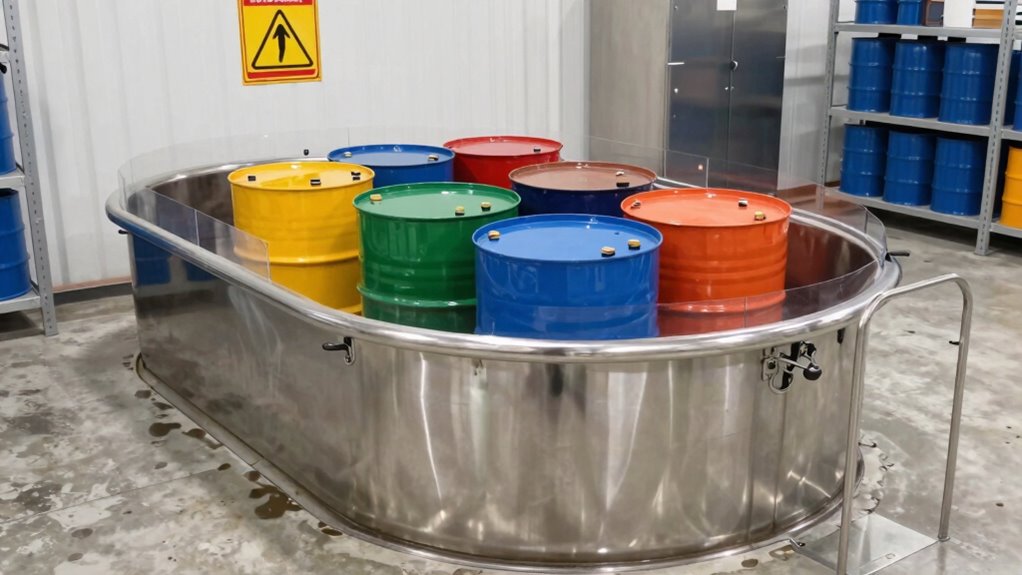

Secondary containment acts as a crucial safety measure that stops small spills from turning into costly environmental disasters. By capturing leaks early, you prevent hazardous substances from reaching soil or water, reducing cleanup and liability costs. Properly installed systems provide an essential safety net, giving you time to respond before problems escalate. When you understand how these systems work, you’ll see how they protect both your site and the environment—keep going to learn more about their advantages.
Key Takeaways
- Secondary containment captures leaks early, preventing spills from spreading and escalating into environmental disasters.
- It provides a safety buffer, allowing time for response before contaminants reach soil or water sources.
- Proper containment reduces the risk of regulatory violations and costly cleanup operations.
- It minimizes groundwater and soil pollution, protecting ecosystems and public health.
- Implementing containment systems helps maintain compliance and avoid fines or legal actions.
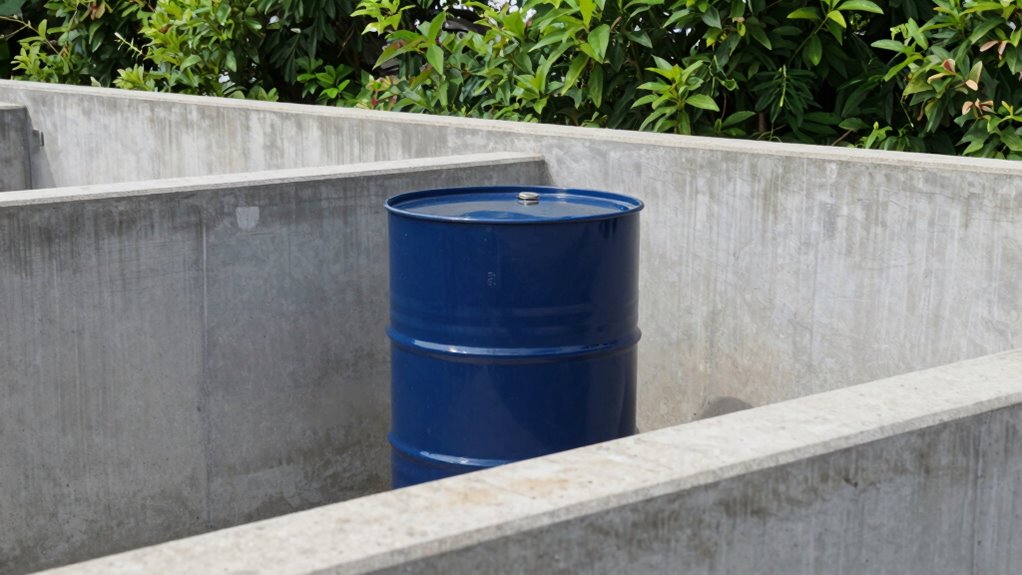
Have you ever considered how a simple secondary containment system can save you from costly environmental disasters? It’s easy to overlook the importance of spill prevention, especially when everything seems to be running smoothly. But the reality is, accidents happen unexpectedly, and without proper secondary containment, those incidents can escalate quickly into serious environmental issues. This small, often overlooked component acts as a safety net, catching leaks or spills before they reach the ground or water sources, ultimately protecting your site, your community, and your bottom line.
Implementing effective secondary containment is a proactive approach to environmental safety. It’s not just about complying with regulations; it’s about safeguarding ecosystems and public health. When you invest in containment systems—whether they’re berms, spill pallets, or double-walled tanks—you reduce the risk of hazardous substances escaping and causing contamination. Proper cabling solutions and secure installations also play a crucial role in preventing accidental damage that could lead to spills. By preventing spills from spreading, you minimize the chance of groundwater or soil pollution, which can be costly and time-consuming to remediate. Having a comprehensive spill prevention plan in place further enhances your ability to respond swiftly and effectively. Additionally, understanding lubricant specs can help you choose the right containment materials that are compatible and effective against specific substances, ensuring your system remains reliable over time.
Spill prevention through secondary containment also means fewer emergency responses and cleanup operations. When a spill is contained immediately, you avoid the escalation of a small leak into a full-blown environmental crisis. This not only saves money but also helps maintain your company’s reputation as a responsible entity committed to environmental safety. You’ll find that having a dependable containment system reduces liability, meets regulatory requirements, and demonstrates your dedication to responsible business practices. Furthermore, integrating monitoring solutions into your containment systems can provide real-time alerts, enhancing your overall spill response strategy.
Additionally, secondary containment systems offer peace of mind. You can focus on your core operations, knowing that if a spill occurs, the containment measures are in place to manage it effectively. They serve as a buffer, giving you valuable time to respond appropriately. This is especially critical during off-hours or in remote locations where immediate action might be delayed. When you prioritize spill prevention, you’re actively reducing the risk of environmental damage that could lead to fines, legal action, or even shutdowns.
In essence, a well-designed secondary containment system is an investment in long-term environmental safety. It’s a simple yet powerful tool to prevent bigger problems down the road. It shows that you’re committed to responsible operations, protecting not only your assets but also the environment around you. By taking these precautions now, you’re ensuring that minor incidents don’t turn into major disasters, saving you money, time, and trouble in the future.

Eagle Square 4 Drum Spill Containment Pallet with Drain, Made in USA,Yellow
- Secondary Spill Containment: Captures leaks from drums for cleaner areas
- Modular Connection System: Connects multiple units for scalable storage
- Chemical-Resistant Construction: Made from durable recycled high-density Polyethylene
As an affiliate, we earn on qualifying purchases.
As an affiliate, we earn on qualifying purchases.
Frequently Asked Questions
What Materials Are Best Suited for Secondary Containment Systems?
You should choose materials with high durability and chemical compatibility for secondary containment systems. Polymers like polyethylene and polypropylene are popular because they resist corrosion and chemical degradation. Concrete with proper coatings also works well, providing strength and durability. Avoid materials that degrade quickly or react with stored substances. Choosing the right materials guarantees your containment system stays effective, preventing leaks and bigger problems down the line.
How Often Should Secondary Containment Systems Be Inspected?
Think of your secondary containment as a vigilant guardian, always watching. You should inspect it regularly—at least monthly—to guarantee spill prevention measures are intact. Conduct thorough containment testing yearly or after significant events like storms or repairs. Regular inspections catch leaks or damages early, preventing bigger problems. By maintaining this routine, you uphold the integrity of your system and ensure it continues to serve as a reliable barrier against environmental hazards.
Can Secondary Containment Be Retrofitted Into Existing Facilities?
Yes, you can retrofit secondary containment into existing facilities, but you’ll face some retrofitting challenges. You need to take into account design considerations like space limitations, compatibility with current structures, and material durability. Proper planning ensures the new containment system integrates seamlessly and functions effectively. It’s wise to consult experts to evaluate existing layouts and address potential obstacles, making sure your retrofit enhances safety without disrupting operations.
What Are the Cost Implications of Installing Secondary Containment?
Installing secondary containment costs vary widely, but a cost analysis shows it can save you millions by preventing environmental fines and cleanup. You might spend thousands to hundreds of thousands depending on facility size and materials. While upfront costs seem high, risk mitigation is vital—reducing the chance of costly spills and legal issues. Investing in secondary containment now guarantees long-term savings and safety, making it a smart financial decision.
How Does Secondary Containment Comply With Environmental Regulations?
You guarantee environmental compliance by implementing secondary containment, which acts as spill prevention. It captures leaks or spills before they reach the environment, helping you meet strict regulations. By complying with these standards, you avoid fines and legal issues, while also protecting natural resources. Installing secondary containment demonstrates your commitment to environmental responsibility, making sure your operations stay within legal limits and reduce ecological risks effectively.
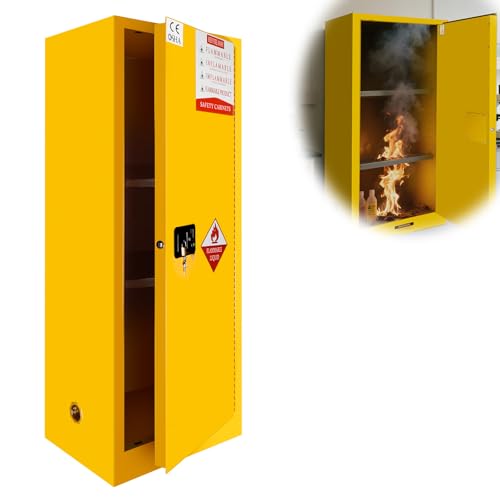
Generic Flammable Cabinet, Fireproof Cabinet, Safety Storage Cabinet, Hazardous Storage cabinets, for Commercial Industrial and Home Use, 20 Gal(23"" x 18"" x 35""), Yellow
- Fireproof Steel Construction: Made of 2mm double-layer cold-rolled steel with fireproof material
- High Load-Bearing Galvanized Laminate: Corrosion-resistant, adjustable, supports heavy weight
- Leak-Prevention Design: Bottom groove prevents liquid leakage
As an affiliate, we earn on qualifying purchases.
As an affiliate, we earn on qualifying purchases.
Conclusion
By embracing secondary containment, you’re quietly steering clear of potential issues that could cast longer shadows. It’s a thoughtful safeguard, gently guiding you away from unforeseen complications and preserving your environment’s harmony. When you choose to implement this subtle barrier, you’re not just preventing immediate concerns—you’re nurturing a more resilient, balanced space. In doing so, you create a foundation that subtly supports your efforts, allowing peace of mind to flourish beneath the surface of everyday operations.

Wettarn Folding Duck Pond 6' x 6' Portable Spill Containment Berm Wall Containment Berm (Black)
- Waterproof and Spill Proof: Heavy-duty PVC coated polyester construction
- Easy to Store: Lightweight, foldable, and includes securing straps
- Portable and Easy to Set Up: Folds for transport, simple to assemble and clean
As an affiliate, we earn on qualifying purchases.
As an affiliate, we earn on qualifying purchases.

Eagle 2 Drum Spill Containment Pallet with Drain, Forklift Pockets, Yellow
- Secondary Spill Containment: Captures leaks from drums for cleaner areas
- Modular Connection System: U-channels allow connecting multiple units
- Chemical-Resistant Construction: Made from durable, recycled high-density polyethylene
As an affiliate, we earn on qualifying purchases.
As an affiliate, we earn on qualifying purchases.