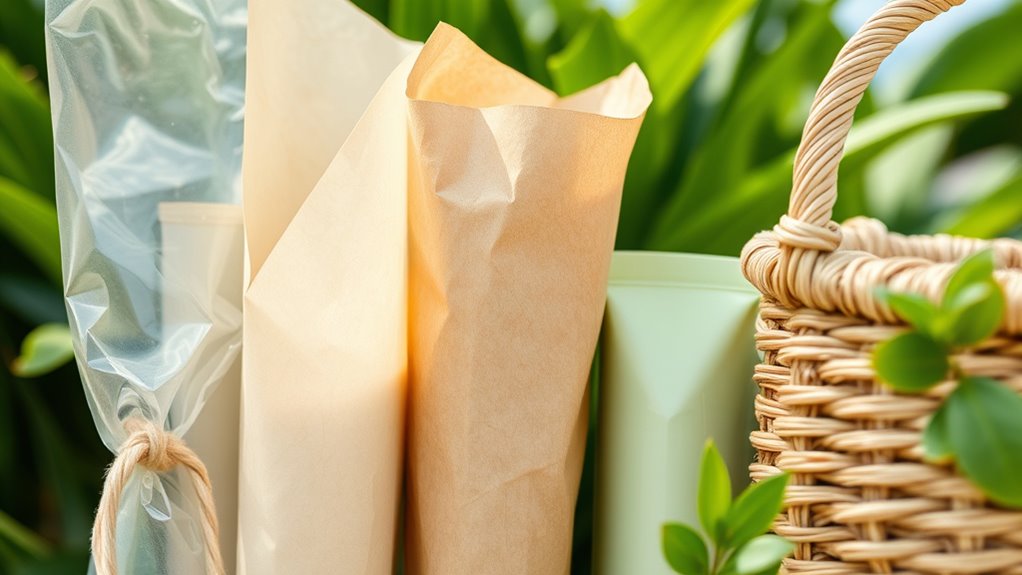

Sustainable packaging materials like bioplastics made from renewable sources such as cornstarch or sugarcane provide eco-friendly options to traditional plastics. These materials break down naturally, reducing pollution in landfills and oceans while lowering reliance on finite fossil fuels. They often work with existing manufacturing processes and can be compostable, turning into nutrient-rich compost. Exploring further reveals how these materials contribute to a greener future and help your brand stand out in sustainability efforts.
Key Takeaways
- Bioplastics made from renewable resources like cornstarch and sugarcane provide biodegradable and compostable packaging options.
- They help reduce reliance on fossil fuels, lower greenhouse emissions, and minimize long-term environmental pollution.
- Sustainable packaging includes biodegradable plastics that can integrate into existing manufacturing processes and support circular economy goals.
- Proper disposal depends on local waste infrastructure, as not all biodegradable plastics decompose effectively in natural environments.
- Growing consumer and corporate demand drives innovation and adoption of eco-friendly materials for a greener future.

Have you ever wondered how packaging can be both functional and eco-friendly? It’s a question that’s gaining importance as consumers demand greener options and companies seek to reduce their environmental impact. One answer lies in the use of biodegradable plastics and other renewable materials. These innovations are transforming the packaging industry by offering sustainable alternatives to traditional plastics that take hundreds of years to decompose. Biodegradable plastics are designed to break down naturally when exposed to environmental conditions, such as moisture, heat, and microbial activity. Unlike conventional plastics, which persist in landfills and the oceans, these materials minimize long-term pollution and help protect ecosystems. They are often made from renewable resources, meaning they originate from raw materials that can be replenished quickly, like cornstarch, sugarcane, or vegetable oils. This shift to renewable materials reduces reliance on finite fossil fuels, making the entire process more sustainable.
Using biodegradable plastics is a smart move for businesses aiming to improve their environmental footprint. These materials can be processed with familiar manufacturing techniques, allowing companies to adopt them without significant changes to their existing operations. Plus, they often come with the added advantage of being compostable, which means they can turn into nutrient-rich compost in industrial or home composting systems, further closing the loop on waste management. By choosing packaging made from renewable materials, you’re supporting the shift away from non-renewable resources, fostering a circular economy where materials are reused and recycled instead of discarded. This approach not only reduces greenhouse gas emissions but also encourages innovation in sourcing and production techniques. Incorporating sustainable materials into packaging solutions can also enhance brand reputation and appeal to environmentally conscious consumers.
However, it’s essential to understand that not all biodegradable plastics are created equal. Some require specific conditions to break down efficiently, which aren’t always available in natural environments. Consequently, selecting the right type of biodegradable plastic for your needs involves considering factors like end-of-life disposal options and local waste management infrastructure. As consumers and companies become more conscious of their environmental responsibilities, the demand for packaging made from renewable materials and biodegradable plastics continues to grow. These options demonstrate that sustainability can go hand in hand with functionality, offering practical solutions that protect the planet without compromising performance. Embracing these materials helps you contribute to a cleaner, greener future while still meeting your packaging needs effectively.
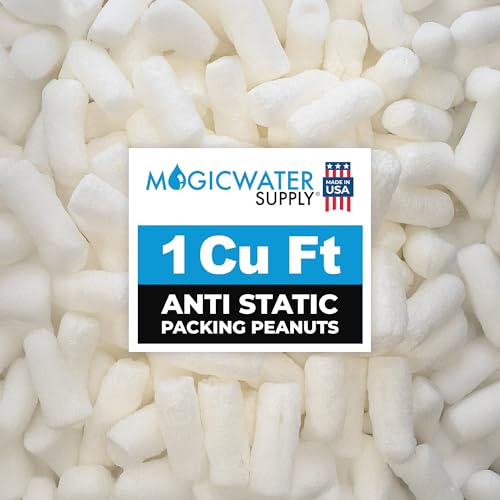
MagicWater Packing Peanuts for Shipping – 1 Cu Ft – Bio Tube Recycled Compostable & Biodegradable Void Filler – Cushion for Shipping Packaging – Dust-Free & Abrasion Resistant – Non Styrofoam
ECO-FRIENDLY & SUSTAINABLE PACKAGING SOLUTION: Choose our packing peanuts for shipping, made from renewable, sustainable materials, to reduce…
As an affiliate, we earn on qualifying purchases.
As an affiliate, we earn on qualifying purchases.
Frequently Asked Questions
How Do Bioplastics Compare to Traditional Plastics in Cost?
Bioplastics typically cost more than traditional plastics due to higher market pricing and production expenses. You’ll find that the cost comparison favors conventional plastics for bulk manufacturing, making them cheaper initially. However, as demand for sustainable options grows and technology improves, bioplastics‘ prices are gradually decreasing. While they’re still pricier now, investing in bioplastics can offer long-term benefits, especially for eco-conscious branding and regulatory compliance.
Are Bioplastics Suitable for All Packaging Types?
Like the myth of Pandora’s box, bioplastics application isn’t suitable for every packaging need. You’ll find they work well with containers, wraps, and bags, but packaging material compatibility varies. For delicate items or heavy-duty use, traditional plastics might still be better. Assess your product’s requirements carefully, and test bioplastics in specific applications before full adoption, ensuring they fit your packaging demands effectively.
What Is the Environmental Impact of Biodegradable Packaging?
Biodegradable packaging’s environmental impact varies; it can reduce landfill waste but depends on degradation timelines and microbial interactions. You should know that if it breaks down quickly in natural settings, it minimizes pollution. However, if it takes too long or requires specific microbes, it might not fully benefit the environment. To maximize positive effects, choose packaging designed for efficient microbial interaction and faster degradation timelines.
How Can Consumers Identify Truly Sustainable Packaging?
You can identify truly sustainable packaging by checking for recyclability standards and eco label verification. Don’t assume all eco labels are trustworthy; research the certifying organization’s credibility. Look for clear symbols or labels indicating recyclability, compostability, or biodegradable qualities. By verifying these labels and understanding the standards behind them, you guarantee your choices support genuine sustainability efforts rather than greenwashing.
What Innovations Are Emerging Beyond Bioplastics?
You’ll find emerging innovations like innovative biofibers and algae-based materials making waves in sustainable packaging. These alternatives offer eco-friendly, biodegradable options that reduce reliance on traditional plastics. By choosing products that utilize these materials, you support greener solutions. Keep an eye out for packaging made from algae-based sources or crafted with innovative biofibers, as they represent the next step in reducing environmental impact and advancing sustainability in packaging.

FireKylin 100 Pcs Paper Bags Resealable bags 3.5" x 5.5" Zipper Food Storage Bags, Stand Up, with Matte Window, Reusable, Sealable, for Packaging Products
【Quantity & Material】Package include 100 pieces kraft stand up pouches. Outer dimension:3.5*5.5 inch,Inner dimension:2.9*3inch; Made from food grade…
As an affiliate, we earn on qualifying purchases.
As an affiliate, we earn on qualifying purchases.
Conclusion
Imagine holding a package that decomposes naturally, returning to the earth without pollution. By choosing bioplastics and innovative materials, you’re not just wrapping products—you’re nurturing the planet. Every eco-friendly package you select helps reduce plastic waste and carbon footprints, creating a cleaner, greener future. Together, your choices can turn the tide against environmental damage, transforming packaging from a burden into a beacon of sustainability that blossoms into new life.

Bioplastics for Food Packaging: Materials, Procedures, and Applications
As an affiliate, we earn on qualifying purchases.
As an affiliate, we earn on qualifying purchases.

UHU Stic ReNATURE Eco Friendly Solvent Glue Stick in a Renewable Resource Packaging 4 x 21g
Container made from 58% renewable raw materials.
As an affiliate, we earn on qualifying purchases.
As an affiliate, we earn on qualifying purchases.