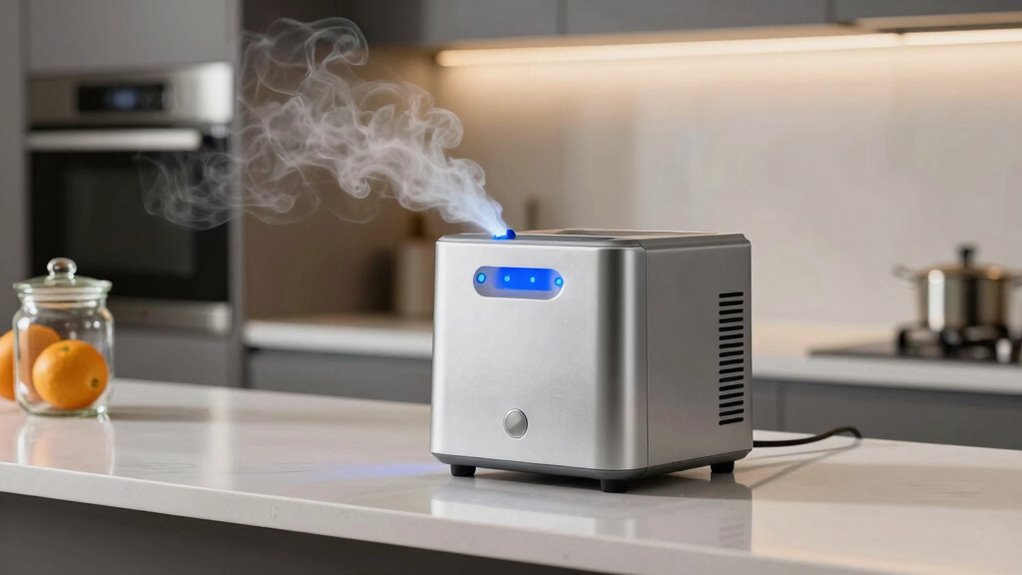
Ozone generators can temporarily improve indoor air quality by oxidizing pollutants, but they’re limited in effectiveness and can’t remove deep-seated contaminants or address pollution sources. Many airborne particles like VOCs, bacteria, and mold are resistant or need special conditions for breakdown. Additionally, ozone might produce harmful secondary pollutants and pose health risks, especially in occupied spaces. To truly improve air quality, you’ll need an all-encompassing approach—and there’s more to think about if you want the full picture.

Prime made for students and young adults
- Fast, free delivery for dorm and study essentials
- Prime Video and Amazon Music included
- Member-only deals
Key Takeaways
- Ozone generators provide only temporary air quality improvements and do not address pollution sources long-term.
- Many airborne contaminants, such as VOCs and mold spores, resist oxidation or require specific conditions to break down.
- High ozone levels pose health risks, including respiratory irritation and worsening asthma, especially in occupied spaces.
- Ozone reactions can produce secondary pollutants like formaldehyde, potentially worsening indoor air quality.
- Effective indoor air quality management requires additional strategies like ventilation, filtration, and source control, not just ozone.
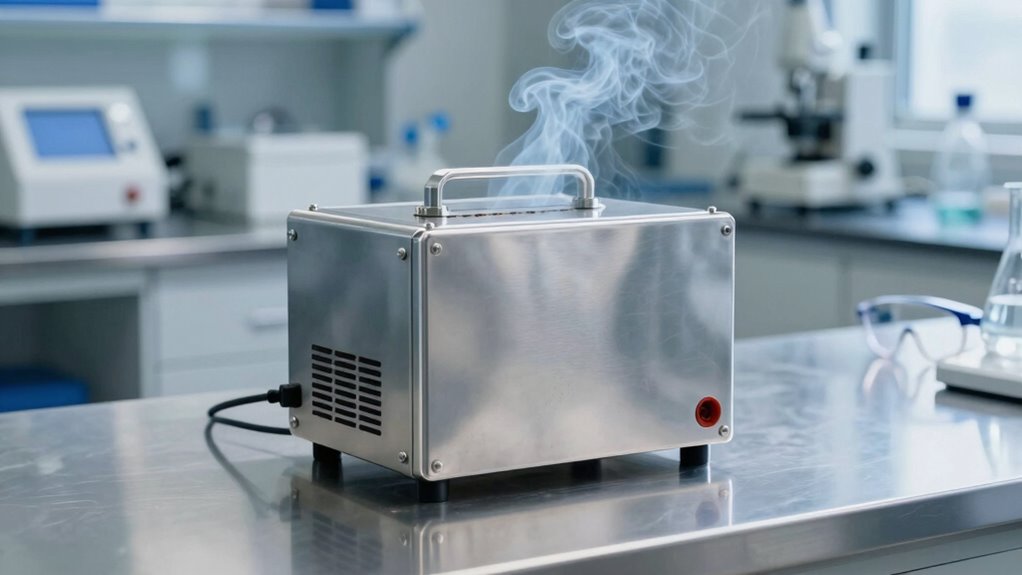
Ozone generators are often marketed as powerful tools for eliminating odors and disinfecting spaces, but their effectiveness has significant limitations. While they can produce noticeable improvements in indoor air quality temporarily, they don’t provide an exhaustive solution for long-term air purification. Ozone works by oxidizing pollutants, but many airborne contaminants, like VOCs, bacteria, and mold spores, are resistant to oxidation or require specific conditions to break down effectively. As a result, relying solely on ozone generators can leave behind harmful residues or unaddressed sources of indoor air pollution.
Ozone generators offer only temporary air quality improvements and may leave harmful residues behind.
When you use an ozone generator, you need to be mindful of ozone safety. Ozone is a reactive gas that can irritate your respiratory system, especially in enclosed spaces. Breathing in high concentrations of ozone can cause coughing, throat irritation, chest pain, and worsen asthma symptoms. That’s why many health agencies, including the EPA, advise against using ozone generators in occupied spaces. If you do choose to use one, you must leave the area during operation and air it out thoroughly afterward. Even then, residual ozone can linger, posing risks to sensitive individuals and pets.
The limitations of oxidation-based cleaning become clear when you consider that ozone doesn’t discriminate between harmful pollutants and beneficial particles like moisture or harmless gases. Instead, it reacts indiscriminately, which can sometimes create secondary pollutants, such as formaldehyde or other volatile organic compounds (VOCs), further compromising indoor air quality. This unintended consequence highlights why ozone safety is a critical concern. You might find temporary relief from odors, but the overall indoor environment might not improve and could even deteriorate if ozone reacts with other chemicals in the space. Additionally, oxidation reactions can sometimes produce byproducts that are more harmful than the original pollutants. Moreover, the reactive nature of ozone means it can also affect materials and furnishings in your indoor space, potentially causing damage over time. It is also important to recognize that indoor air quality depends on multiple factors, not just pollutant removal, emphasizing the need for comprehensive approaches.
Furthermore, the effectiveness of ozone generators diminishes in larger or more complex environments. For ozone to neutralize odors or pathogens effectively, it needs sufficient contact time and concentration, which isn’t always practical or safe to maintain. This means that in larger rooms or spaces with multiple sources of pollution, ozone alone isn’t enough. You’ll need additional strategies like ventilation, filtration, and source control to truly enhance indoor air quality. Additionally, the limits of oxidation-based cleaning can help you make more informed choices about maintaining a healthier indoor environment.
HEPA air purifier for indoor air quality
As an affiliate, we earn on qualifying purchases.
As an affiliate, we earn on qualifying purchases.
Frequently Asked Questions
Are Ozone Generators Safe for Indoor Use?
Ozone generators can be unsafe for indoor use if safety regulations aren’t followed. They create chemical reactions that can irritate your lungs and other tissues, especially in enclosed spaces. To stay safe, you should only operate these devices in unoccupied areas and guarantee proper ventilation afterward. Always check local safety regulations and manufacturer instructions to minimize health risks. Avoid using ozone generators in occupied indoor spaces for your safety.
How Long Does It Take to Eliminate Odors With Ozone?
Sure, you can expect to eliminate odors with ozone in about 30 minutes to a few hours, depending on the ozone concentration and odor persistence. Just remember, higher ozone levels work faster but can be unsafe, so don’t forget your hazmat suit—or at least to leave the room. If odors stubbornly linger, it’s like they’re stubborn children refusing to leave the party early. Patience and proper ozone levels are your best friends here.
Can Ozone Generators Remove All Types of Bacteria?
Ozone generators can effectively reduce many types of bacteria, but they may not eliminate all, especially those with bacterial resistance. Ozone efficacy varies depending on the bacteria and the environment. While ozone destroys bacteria through oxidation, some resistant strains might survive, so it’s not a guaranteed all-in-one solution. For thorough sterilization, combine ozone treatment with other cleaning methods, especially in critical settings needing thorough sanitation.
What Are the Long-Term Health Effects of Ozone Exposure?
Long-term ozone exposure can cause serious health issues, including chemical reactions that damage your lungs and respiratory risks that worsen asthma or cause coughing, throat irritation, and chest pain. You might experience ongoing breathing problems, decreased lung function, or increased vulnerability to respiratory infections. It’s essential to limit exposure, understand the risks, and guarantee proper ventilation, as prolonged contact with ozone can lead to lasting health effects.
Do Ozone Generators Work on Mold and Mildew?
Ozone generators can help reduce mold spores and inhibit mildew growth by oxidizing organic materials. When used properly, they can improve air quality in affected areas. However, they aren’t a complete solution, especially for extensive mold infestations. You should also clean surfaces and control humidity. Remember, prolonged ozone exposure can be harmful, so always follow safety guidelines to avoid health risks while tackling mold and mildew.
As an affiliate, we earn on qualifying purchases.
Conclusion
While ozone generators can seem like powerful cleaning superheroes, they’re not the ultimate solution for every mess. Relying solely on oxidation can miss stubborn contaminants and pose health risks if misused. Think of them as a mighty sword—you need skill and caution to wield them safely. Remember, no single tool can conquer all dirt and germs; sometimes, traditional methods are your best allies in the battle for a truly spotless space.
air purifier with activated carbon filter
As an affiliate, we earn on qualifying purchases.
As an affiliate, we earn on qualifying purchases.
air quality monitor for VOCs and formaldehyde
As an affiliate, we earn on qualifying purchases.
As an affiliate, we earn on qualifying purchases.
Columbus Day / Indigenous Peoples' Day Picks
long weekend sales
As an affiliate, we earn on qualifying purchases.