
TL;DR

Prime made for students and young adults
- Fast, free delivery for dorm and study essentials
- Prime Video and Amazon Music included
- Member-only deals
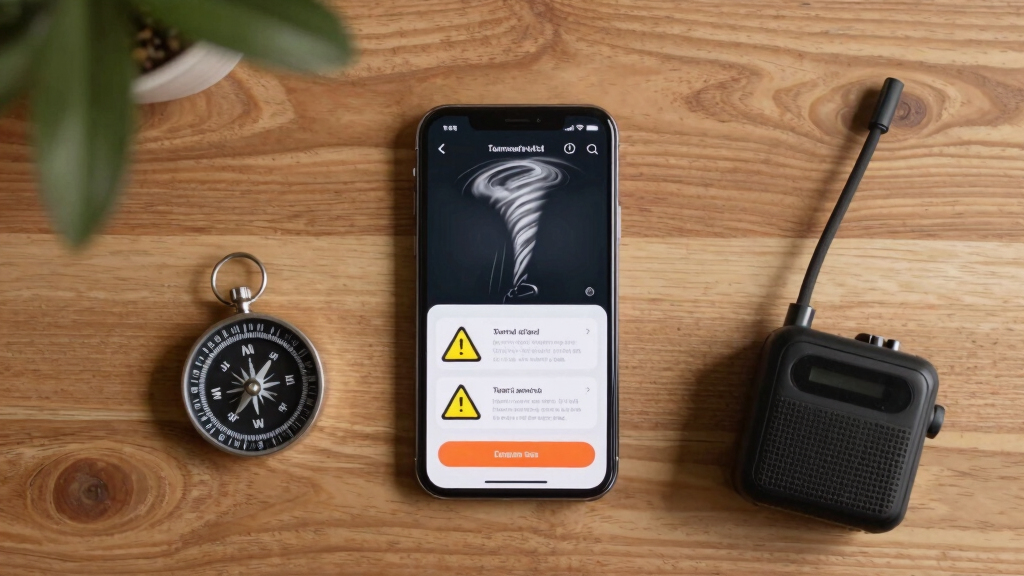
Tornado watches indicate conditions are favorable for tornadoes, while warnings mean a tornado has been sighted or indicated by radar. Clarifying these terms helps residents respond appropriately during severe weather events.
Authorities issued a tornado watch for several regions today, indicating that conditions are favorable for tornado formation. No tornado warning has been issued yet, meaning no confirmed tornado has been sighted or detected by radar. This distinction is vital for residents to understand how to respond during severe weather alerts.
A tornado watch is issued by the National Weather Service (NWS) when atmospheric conditions suggest that tornadoes are possible in the specified area within a certain timeframe. It does not confirm a tornado is occurring but signals residents to stay alert and monitor weather updates.
In contrast, a tornado warning indicates that a tornado has been sighted or indicated by radar, requiring immediate action. Warnings prompt residents to seek shelter immediately, as the threat is imminent or ongoing.
Currently, the NWS has issued a tornado watch for parts of the Midwest and Southeast, with no warnings in effect. Local authorities advise residents to review safety plans and stay tuned to weather alerts.
Understanding Tornado Alerts Helps Save Lives
Knowing the difference between a tornado watch and warning can be the difference between safety and danger. During a watch, residents should prepare and stay alert; during a warning, immediate shelter is essential. Clear understanding of these terms improves community response and safety during severe weather events.
As an affiliate, we earn on qualifying purchases.
How Tornado Alerts Are Issued and Their Historical Use
The National Weather Service issues tornado watches and warnings based on weather data, radar, and storm reports. Watches are typically issued hours before severe storms, giving residents time to prepare. Warnings are issued when a tornado is imminent or occurring, often based on visual confirmation or radar detection.
Historically, timely alerts have prevented injuries and fatalities, emphasizing the importance of understanding these terms. Recent severe weather outbreaks have highlighted the need for public education on tornado alert distinctions.
As an affiliate, we earn on qualifying purchases.
Unconfirmed Reports and Timing of Future Alerts
It is not yet clear when or if a tornado warning will be issued in the current weather situation. The severity and progression of storms remain uncertain, and authorities continue to monitor conditions closely. The timing of any potential warning depends on storm development and radar confirmation.
As an affiliate, we earn on qualifying purchases.
Monitoring Weather Updates and Preparedness Actions
Residents should stay informed through official weather channels, including the NWS and local authorities. Continue monitoring weather alerts, review emergency plans, and ensure shelter locations are accessible. Authorities will issue warnings if a tornado is detected or sighted, and residents should act immediately when that occurs.
As an affiliate, we earn on qualifying purchases.
Key Questions
What should I do if I receive a tornado watch?
If you receive a tornado watch, stay alert, review your emergency plan, and monitor weather updates regularly. Prepare your shelter area and gather supplies in case a warning is issued.
What is the difference between a tornado watch and a warning?
A tornado watch indicates that conditions are favorable for tornadoes, but no tornado has been confirmed. A warning means a tornado has been sighted or detected by radar and immediate action is required.
How long does a tornado watch typically last?
A tornado watch can last several hours, depending on weather conditions and storm development. It is issued to give residents time to prepare and stay alert.
Should I seek shelter during a watch or a warning?
You should seek shelter immediately during a tornado warning. During a watch, stay alert and be ready to act if a warning is issued.
How can I stay informed about tornado alerts?
Use weather apps, NOAA Weather Radio, local news, and emergency alert systems to stay updated on the latest weather warnings and watches in your area.
Source: google-trends
Halloween Picks
halloween
As an affiliate, we earn on qualifying purchases.