
TL;DR

Get school and study supplies delivered free — and shop member deals
- Fast, free delivery on millions of items
- Access to Prime Big Deal Days deals on October 6–7
- Prime Video, Amazon Music and more included
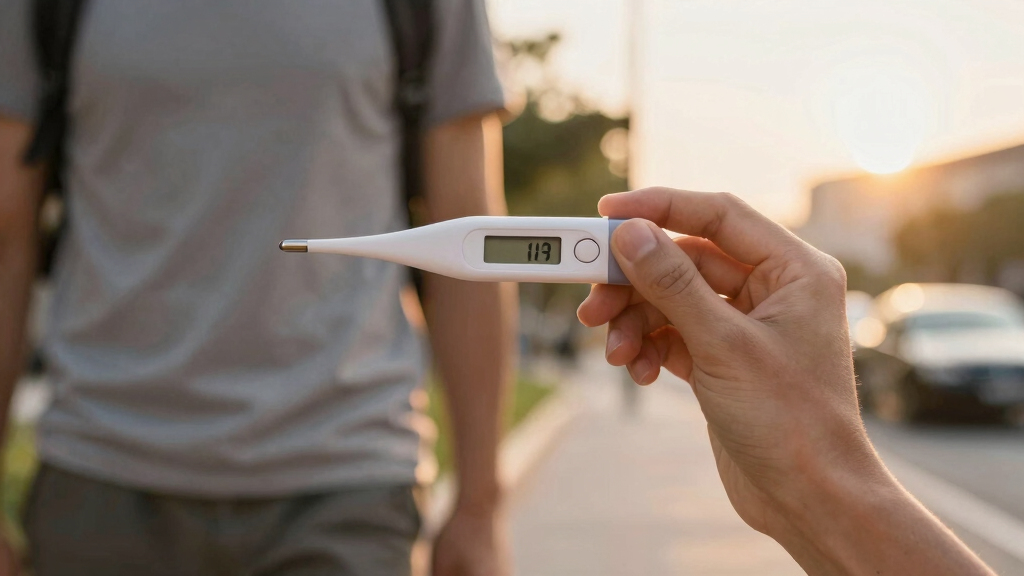
France experienced 2,025 excess deaths during its recent heatwave peak, highlighting the human toll of extreme weather. Europe braces for continued heat events amid climate concerns.
France reported an estimated 2,025 excess deaths during the peak of its recent heatwave, according to official health data. This surge underscores the immediate human impact of extreme temperatures, as Europe faces warnings of more severe heat events linked to climate change.
The French Ministry of Health announced that during the height of the heatwave, which occurred in late July, there were approximately 2,025 more deaths than expected based on historical averages. This figure is based on preliminary analysis and official mortality statistics.
Health authorities linked the excess deaths primarily to heat-related conditions, including heatstroke and cardiovascular stress, especially among vulnerable populations such as the elderly. France’s interior regions experienced temperatures exceeding 40°C (104°F), the highest in decades, contributing to the increased mortality.
European weather agencies and climate experts have warned that such extreme heat events are becoming more frequent and intense due to ongoing climate change, with forecasts predicting more such episodes in the coming years.
Why the Excess Deaths in France Matter for Climate and Public Health
The reported excess deaths highlight the immediate human toll of climate-induced extreme weather, raising concerns about the preparedness of health systems across Europe. As heatwaves become more common, vulnerable populations face increasing risks, emphasizing the need for adaptation and mitigation strategies.
This development underscores the urgency of addressing climate change, which is driving more frequent and severe heat events. Policymakers and health authorities may need to reevaluate emergency response plans and public health policies to better protect at-risk groups in future heatwaves.
As an affiliate, we earn on qualifying purchases.
Recent Heatwaves and Climate Change in Europe
Europe has experienced multiple intense heatwaves over the past decade, with recent events in France, Spain, and Italy setting new temperature records. Scientists attribute these trends to climate change, which has increased the frequency and severity of such events.
France’s 2,025 excess deaths during the recent heatwave are among the highest recorded in recent years, aligning with global patterns of increased mortality linked to heat stress. Authorities have issued heat alerts and advised vulnerable populations to stay indoors and hydrate, but the scale of the impact indicates challenges in fully protecting public health during extreme conditions.
“The excess mortality observed during this heatwave is a stark reminder of the health risks posed by extreme temperatures, especially for our elderly and vulnerable populations.”
— Dr. Marie Dubois, French Public Health Official
As an affiliate, we earn on qualifying purchases.
Uncertainties About Long-Term Impact and Future Heatwaves
While the immediate death toll is confirmed, it remains unclear how many of these deaths are directly attributable to heat versus underlying health conditions exacerbated by high temperatures. The full extent of future heatwave impacts and the effectiveness of current mitigation efforts are still being evaluated.
Additionally, it is not yet clear how different regions will adapt to increasing heat risks or how public health policies will evolve to better protect vulnerable populations in upcoming events.
As an affiliate, we earn on qualifying purchases.
Next Steps in Monitoring and Preparing for Extreme Heat Events
Health authorities and climate agencies are expected to analyze detailed mortality data and assess the effectiveness of heatwave response strategies. Governments may implement stronger heat action plans, including early warning systems and targeted support for high-risk groups.
Scientists will continue studying the links between climate change and heat-related mortality, aiming to improve predictive models and develop more resilient infrastructure and health systems to withstand future extreme weather events.
As an affiliate, we earn on qualifying purchases.
Key Questions
How many excess deaths occurred during France’s recent heatwave?
France reported approximately 2,025 excess deaths during the peak of the heatwave, according to official health data.
What factors contributed to the increased mortality during the heatwave?
Heat-related conditions such as heatstroke and cardiovascular stress, especially among vulnerable populations like the elderly, contributed to the excess deaths.
Are future heatwaves expected to be more severe?
Yes, climate experts warn that climate change is increasing the frequency and intensity of heatwaves across Europe, with more extreme events anticipated in the coming years.
Authorities are improving heat warning systems, public health advisories, and emergency response plans, while scientists work on better predictive tools and infrastructure resilience strategies.
Is the full impact of climate change on mortality known?
The long-term effects are still being studied, and while current data show a clear link between heatwaves and increased deaths, the precise future impacts remain uncertain.
Source: google-trends
Fall Picks
fall essentials
As an affiliate, we earn on qualifying purchases.






![Competitive Programmer's Handbook (2018) [Pdf]](https://varietychem.com/wp-content/uploads/2026/10/competitive-programmer-s-handbook-2018-pdf-featured-260x140.jpg)