
TL;DR

Get school and study supplies delivered free — and shop member deals
- Fast, free delivery on millions of items
- Access to Prime Big Deal Days deals on October 6–7
- Prime Video, Amazon Music and more included
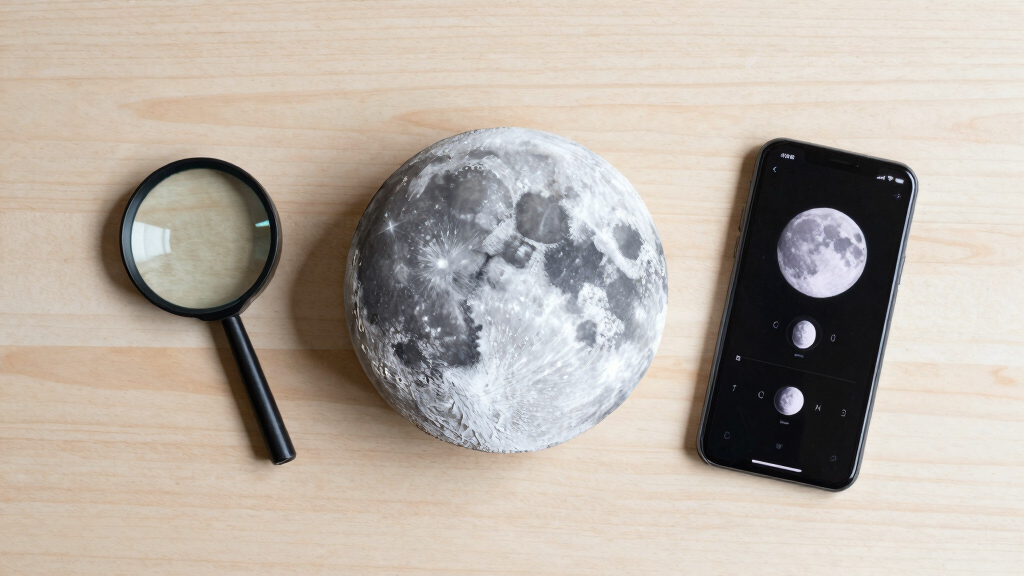
The moon will be in a waxing gibbous phase on June 26, meaning it will be more than half illuminated but not yet full. This phase influences lunar visibility and related activities. Details are based on astronomical calculations and confirmed observations.
On June 26, the Moon will be in a waxing gibbous phase, with more than half of its surface illuminated and visible from Earth, according to astronomical calculations. This phase is significant for observers and those interested in lunar phenomena, as it affects visibility and lunar activities.
The moon’s phase on June 26 has been confirmed through astronomical data from observatories and lunar phase calendars. During this phase, the Moon will be approximately 75% illuminated, making it brighter and more prominent in the night sky. This phase occurs between the first quarter and full moon phases, typically lasting several days. The precise timing of the moon’s phase is calculated based on the Moon’s orbit around Earth, with current data indicating the waxing gibbous phase will dominate the night sky on June 26.According to NASA’s lunar phase data, the waxing gibbous phase enhances visibility, making it a popular time for lunar observation and photography. The moon’s appearance will be characterized by a large, bright illuminated portion, gradually approaching full illumination in the coming days. This phase also influences some cultural and religious lunar events scheduled around this time.
Why the June 26 Moon Phase Matters for Observers
This moon phase is important for amateur astronomers, photographers, and anyone planning lunar activities. The increased illumination provides better visibility for observing lunar features such as craters and maria. Additionally, the waxing gibbous phase is often associated with certain cultural events and traditions that depend on lunar cycles. For astronomers, understanding the moon’s phase helps in scheduling observations and predicting the moon’s position relative to stars and planets.
As an affiliate, we earn on qualifying purchases.
Current Lunar Cycle and Its Progression to June 26
The lunar cycle lasts approximately 29.5 days, progressing through new moon, waxing crescent, first quarter, waxing gibbous, full moon, waning gibbous, last quarter, and waning crescent phases. As of late June, the moon has been transitioning from the first quarter towards full moon, with the waxing gibbous phase beginning around June 24. This phase is part of a regular lunar cycle that has been observed and documented for centuries, with modern astronomers using precise calculations to determine the moon’s appearance on specific dates.
Current data from lunar phase calendars and observatories confirm that June 26 falls squarely within the waxing gibbous period, a phase characterized by increasing illumination and visibility. This phase is predictable based on the moon’s orbit, and no anomalies are reported for this cycle.
As an affiliate, we earn on qualifying purchases.
Remaining Uncertainties About Lunar Visibility Conditions
While the moon’s phase is precisely calculated, actual visibility on June 26 may be affected by local weather conditions such as cloud cover, fog, or atmospheric pollution. Additionally, the exact timing of the moon reaching peak illumination during the day may vary slightly depending on geographic location. There are no reports of anomalies or irregularities affecting the moon’s appearance during this phase.
As an affiliate, we earn on qualifying purchases.
Upcoming Lunar Phases and Key Dates After June 26
Following June 26, the moon will continue its waxing gibbous phase, approaching full moon, which is expected around July 3. Observers can anticipate increasingly bright and prominent lunar visibility over the next several nights. The full moon will mark the next major lunar event, providing further opportunities for observation and lunar-related activities. Astronomers and enthusiasts are encouraged to track the lunar cycle through official lunar calendars for detailed timings.
astronomy binoculars for moon observation
As an affiliate, we earn on qualifying purchases.
As an affiliate, we earn on qualifying purchases.
Key Questions
What is the current moon phase on June 26?
The moon will be in a waxing gibbous phase, approximately 75% illuminated, on June 26.
Why is the moon phase important for observers?
The phase affects visibility, with waxing gibbous offering the best view of lunar features, and influences cultural and astronomical activities.
Can weather affect lunar visibility on June 26?
Yes, local weather conditions such as clouds or fog can obscure the moon, regardless of its phase.
When is the next full moon after June 26?
The next full moon is expected around July 3, marking the peak of the lunar cycle.
How is the moon phase calculated?
Scientists use lunar orbit data and astronomical calculations to determine the moon’s illumination and phase on specific dates.
Source: google-trends
Halloween Picks
halloween
As an affiliate, we earn on qualifying purchases.






![Competitive Programmer's Handbook (2018) [Pdf]](https://varietychem.com/wp-content/uploads/2026/10/competitive-programmer-s-handbook-2018-pdf-featured-260x140.jpg)