
TL;DR

Get school and study supplies delivered free — and shop member deals
- Fast, free delivery on millions of items
- Access to Prime Big Deal Days deals on October 6–7
- Prime Video, Amazon Music and more included
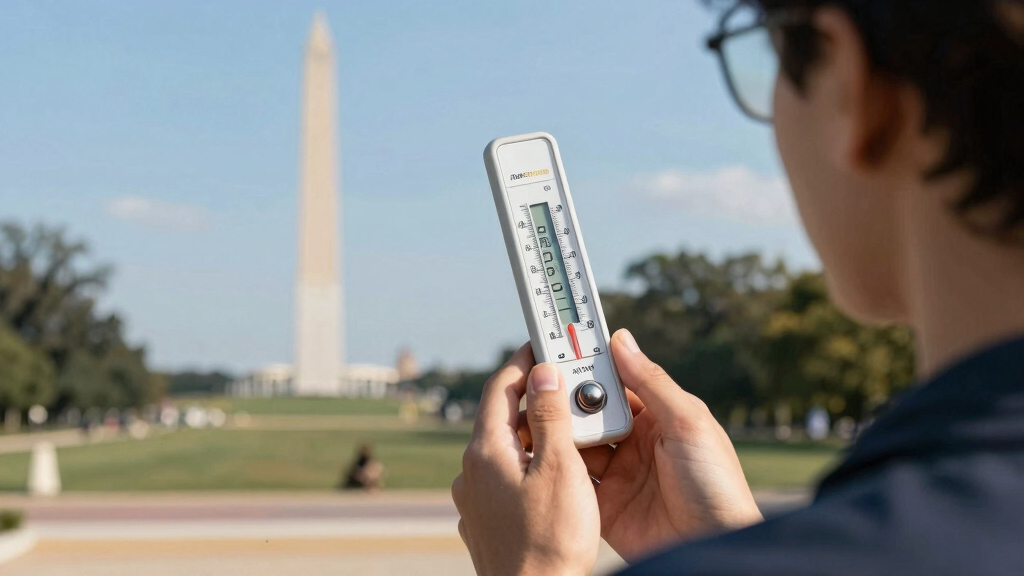
Predictions suggest Washington D.C. could face extreme heat surpassing previous records. Authorities warn residents to prepare for potentially dangerous temperatures. The forecast remains subject to updates as conditions develop.
Forecasts indicate that Washington D.C. could experience some of the hottest days on record in the coming week, with temperatures potentially surpassing previous high marks. This development raises concerns about health risks, power grid stress, and infrastructure resilience, prompting warnings from local officials and weather agencies.
According to the National Weather Service, a heat wave is expected to hit the Washington D.C. area within the next few days, with temperatures potentially reaching into the high 90s or even breaking the 100-degree mark. Meteorologists say this could make it one of the most intense heat events in the city’s recorded history.
Officials from the Washington D.C. Department of Health have issued advisories urging residents to stay hydrated, avoid strenuous outdoor activities during peak heat hours, and check on vulnerable populations. Power companies warn that increased air conditioning use may strain the electrical grid, risking outages if demand surges unexpectedly.
While the forecast remains subject to change as meteorologists continue to monitor weather patterns, current models suggest that this heat wave could set new temperature records for the city, which last saw a high of 104°F in July 2012.
Implications for Public Health and Infrastructure
This forecast matters because record-breaking heat can lead to heat-related illnesses, especially among vulnerable populations such as the elderly and outdoor workers. Additionally, the strain on power grids may cause outages, disrupting daily life and critical services. The event underscores the increasing frequency and intensity of heat waves linked to climate change, prompting city officials to consider long-term resilience measures.
As an affiliate, we earn on qualifying purchases.
Recent Trends in D.C. Temperature Records
Washington D.C. has experienced increasingly intense heat waves over the past decade, with the city’s highest recorded temperature reaching 104°F in 2012. Climate experts attribute this trend to broader patterns of global warming, which are expected to make such extreme weather events more common.
Previous heat events in D.C. have prompted emergency responses, including cooling centers and public awareness campaigns. City officials have also started investing in infrastructure improvements, such as green roofs and expanded cooling stations, to mitigate future risks.
“Residents should take precautions to stay safe during this extreme heat, including staying indoors and hydrating regularly.”
— D.C. Department of Health spokesperson Maria Lopez
As an affiliate, we earn on qualifying purchases.
Forecast Accuracy and Temperature Projections
While models currently project record-breaking temperatures, weather forecasts are inherently uncertain, and actual conditions could differ. Factors such as changing atmospheric patterns and local microclimates may influence the final temperature readings.
As an affiliate, we earn on qualifying purchases.
Monitoring and Preparedness Efforts in D.C.
Meteorologists will continue to track weather developments, providing updated forecasts daily. City officials are preparing emergency response plans, including cooling centers and public alerts, to mitigate health risks. Residents are advised to stay informed through official channels as the event unfolds.
As an affiliate, we earn on qualifying purchases.
Key Questions
When are the hottest days expected in Washington D.C.?
Current forecasts suggest the peak temperatures could occur in the next 3 to 5 days, with some models indicating the possibility of breaking previous temperature records during that period.
What health precautions should residents take during this heat wave?
Residents should stay hydrated, avoid outdoor activities during peak heat hours, wear lightweight clothing, and check on vulnerable neighbors. Cooling centers will be available for those in need.
Could this heat wave cause power outages?
Yes, increased air conditioning use may strain the electrical grid, raising the risk of outages. Power companies are monitoring demand and preparing contingency plans.
Is climate change linked to the increasing frequency of such heat waves?
Many climate scientists agree that global warming is contributing to more frequent and severe heat events, including those projected for Washington D.C.
Will the forecasted temperatures definitely set new records?
While current models indicate the possibility, weather forecasts are not certain. Actual temperatures may vary, and officials will issue updates as conditions develop.
Source: google-trends
Fall Picks
fall essentials
As an affiliate, we earn on qualifying purchases.