Fertilizer compatibility in tank mixing means ensuring different nutrients and additives can combine safely without causing chemical reactions that can block nutrients or damage your equipment. You need to take into account how soil pH, nutrient interactions, and active ingredients might react when mixed. Incompatible mixes can lead to precipitates, clogging, or harm to plants. By understanding these factors and testing small batches first, you’ll prevent issues and achieve effective, safe applications. Keep exploring to get a clearer picture of this important aspect.
Listen free for 30 days with Audible
Thousands of audiobooks and originals — cancel anytime.
As an affiliate, we earn on qualifying purchases.
Key Takeaways
- Fertilizer compatibility ensures that mixed products do not react adversely, forming insoluble compounds or precipitates.
- Compatibility depends on chemical properties, active ingredients, and soil pH, affecting nutrient availability.
- Testing small batches before large-scale mixing helps identify potential reactions or incompatibilities.
- Incompatible fertilizers can cause equipment clogging, plant damage, or reduced nutrient effectiveness.
- Following manufacturer guidelines and understanding nutrient interactions are vital for safe, effective tank mixing.
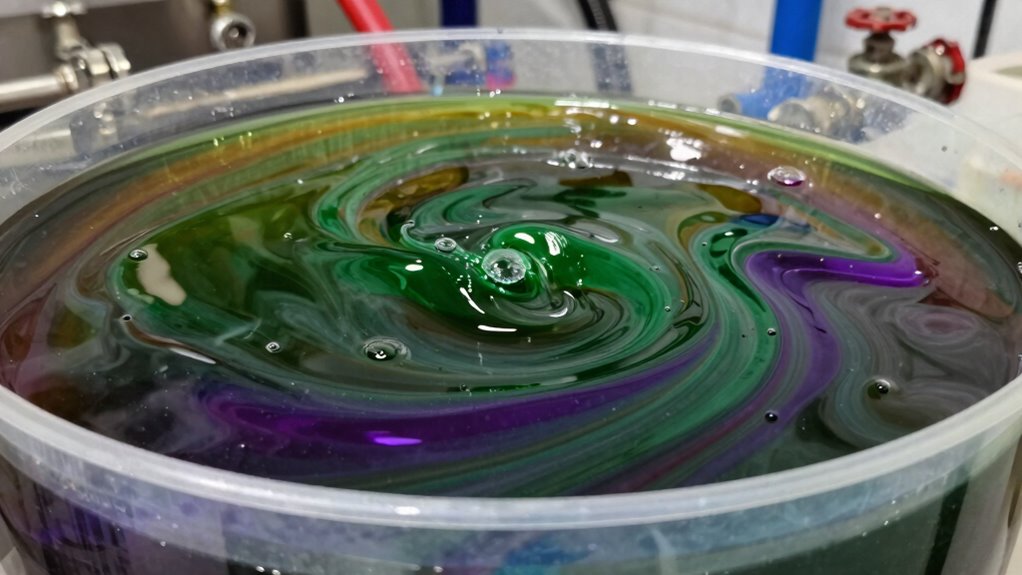
Have you ever wondered whether different fertilizers can be safely mixed in your tank? It’s a common question among growers and landscapers alike, and the answer hinges on understanding fertilizer compatibility. When you mix fertilizers, you’re not just combining nutrients—you’re also influencing the soil environment and how those nutrients interact. Soil pH plays a significant role here because it affects nutrient availability and chemical reactions. If the pH is too high or too low, certain nutrients may become insoluble and unavailable to plants, or they might react with other compounds, creating precipitates or toxic substances. To avoid these issues, you need to consider how the fertilizers will impact soil pH and whether they will alter nutrient interactions.
Mixing fertilizers affects soil pH and nutrient interactions, so always consider compatibility to prevent insoluble compounds and plant damage.
Nutrient interactions are also crucial. Some nutrients, when mixed, can bind together and form insoluble compounds, making them unavailable to plants. For example, mixing phosphates with certain metal salts can result in precipitates that clog your spray equipment or reduce nutrient uptake. Conversely, some nutrients can enhance each other’s absorption. For instance, nitrogen and sulfur often work together to support plant growth, but if you combine incompatible forms, such as certain nitrates with specific chelates, you might hinder their effectiveness. Understanding these interactions helps you prevent nutrient lockout, which occurs when nutrients become unavailable due to chemical reactions. Additionally, refrigerant leaks and other mechanical issues in systems like heat pumps can lead to operational disruptions, emphasizing the importance of proper maintenance and understanding system compatibility.
Many fertilizers contain different active ingredients, and their compatibility depends on their chemical composition. For example, mixing ammonium-based fertilizers with certain herbicides or pesticides can cause instability or precipitate formation. That’s why it’s essential to read labels carefully and follow manufacturer recommendations. Not all fertilizers are designed to be mixed, and some can cause damage to your equipment or plants if combined improperly. Testing small batches before full application is a wise step to observe any adverse reactions, such as cloudiness, sediment formation, or pH shifts.
Ultimately, fertilizer compatibility in tank mixing isn’t just about whether the mixture looks or feels right—it’s about understanding how the chemicals interact within the soil and how they influence nutrient availability. By paying attention to soil pH and nutrient interactions, you can optimize your fertilization strategy, ensuring your plants get the nutrients they need without risking harmful reactions. Proper knowledge and cautious testing can save you time, money, and trouble, helping you achieve healthier, more productive plants with every application.
As an affiliate, we earn on qualifying purchases.
Frequently Asked Questions
How Do I Test Fertilizer Compatibility Before Mixing?
To test fertilizer compatibility before mixing, start by checking the fertilizer pH and using compatibility charts. Mix small amounts of each fertilizer in a separate container, observing for any signs of clumping, precipitates, or separation. If the mixture remains uniform and clear, it’s likely compatible. Always follow manufacturer guidelines and conduct a jar test to verify the fertilizers will mix well without causing issues in your tank.
What Are Signs of Incompatible Fertilizer Mixing?
You’ll notice signs of incompatible fertilizer mixing through issues like cloudiness, sediment, or a sudden change in solution color, which indicate poor fertilizer chemistry. Frothing or gelling can also occur. Always follow mixing guidelines carefully, and be attentive during the process. If you see these signs, stop mixing immediately to prevent damage to equipment or crops. Proper testing and understanding of fertilizer chemistry help avoid these problems.
Can Incompatible Fertilizers Damage My Equipment?
Did you know that improper fertilizer interactions can cause equipment corrosion in nearly 30% of cases? Yes, incompatible fertilizers can indeed damage your equipment. Mixing incompatible fertilizers can lead to chemical reactions that cause buildup, clogging, or corrosion, which jeopardizes your machinery’s longevity. Always check compatibility before tank mixing to prevent costly damage, ensuring your equipment stays in top shape while maximizing fertilizer effectiveness.
How Long Should I Wait to Add a New Fertilizer?
You should wait at least 15 to 30 minutes before adding a new fertilizer, depending on your mixing techniques and fertilizer storage conditions. This waiting period helps guarantee compatibility and prevents chemical reactions that could damage equipment. Always clean your equipment thoroughly between additions. Proper mixing techniques also promote uniform distribution, reducing the risk of incompatibility. Monitor your tank closely, and follow manufacturer guidelines for best results.
Are There Specific Safety Precautions for Incompatible Mixes?
You should always follow safety precautions when dealing with incompatible mixes. Fertilizer labels and mixing guidelines provide vital safety instructions—read them carefully before mixing. Incompatible mixes can cause dangerous reactions, including clogging, sedimentation, or even hazardous fumes. Always wear protective gear, work in well-ventilated areas, and never mix fertilizers unless you’re confident they’re compatible. When in doubt, consult manufacturer recommendations to prevent accidents and guarantee safe application.
soil pH testing kit for fertilizers
As an affiliate, we earn on qualifying purchases.
As an affiliate, we earn on qualifying purchases.
Conclusion
Understanding fertilizer compatibility in tank mixing guarantees you avoid costly mistakes and maximize crop health. Did you know that improper mixing can reduce nutrient effectiveness by up to 50%? By carefully checking compatibility and following best practices, you can improve your application efficiency and crop yields. Remember, a small investment in proper mixing can lead to significant gains, making your fertilization routine more effective and economical. Stay informed, stay successful.
fertilizer compatibility test kit
As an affiliate, we earn on qualifying purchases.
As an affiliate, we earn on qualifying purchases.
garden sprayer with chemical resistant parts
As an affiliate, we earn on qualifying purchases.
As an affiliate, we earn on qualifying purchases.
NFL season / tailgating Picks
team gear
As an affiliate, we earn on qualifying purchases.