Potassium nitrate is crucial in agriculture and industry because it supplies your plants with essential potassium and nitrogen, boosting growth and yields. Industry uses it as an oxidizer in fireworks, creating vibrant displays, and in manufacturing glass and ceramics to improve quality. It also helps preserve food by inhibiting bacteria, especially in curing meats. Its chemical stability and solubility make it a versatile component across many applications. Keep exploring to discover even more about its many uses.
Key Takeaways
- Acts as a fertilizer providing essential potassium and nitrogen to promote healthy plant growth.
- Serves as an oxidizer in fireworks and pyrotechnics, creating vibrant colors and explosive effects.
- Used in food preservation, especially for curing meats, due to its antimicrobial properties.
- Functions as a flux in manufacturing glass and ceramics, lowering melting points and improving quality.
- Supports industrial processes with its chemical stability and solubility, enabling safe handling and storage.
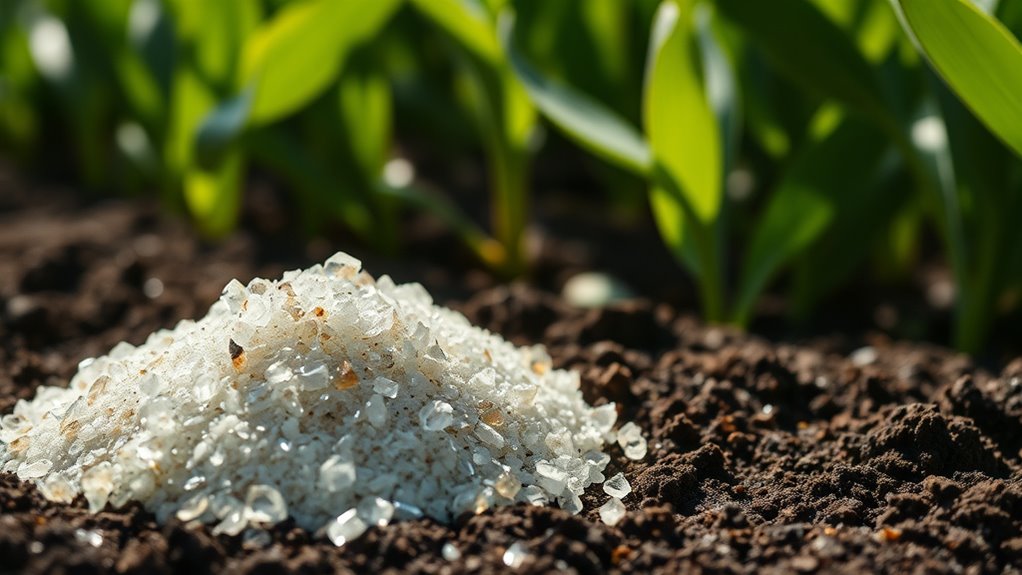
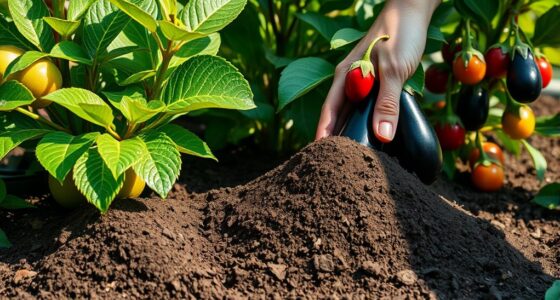
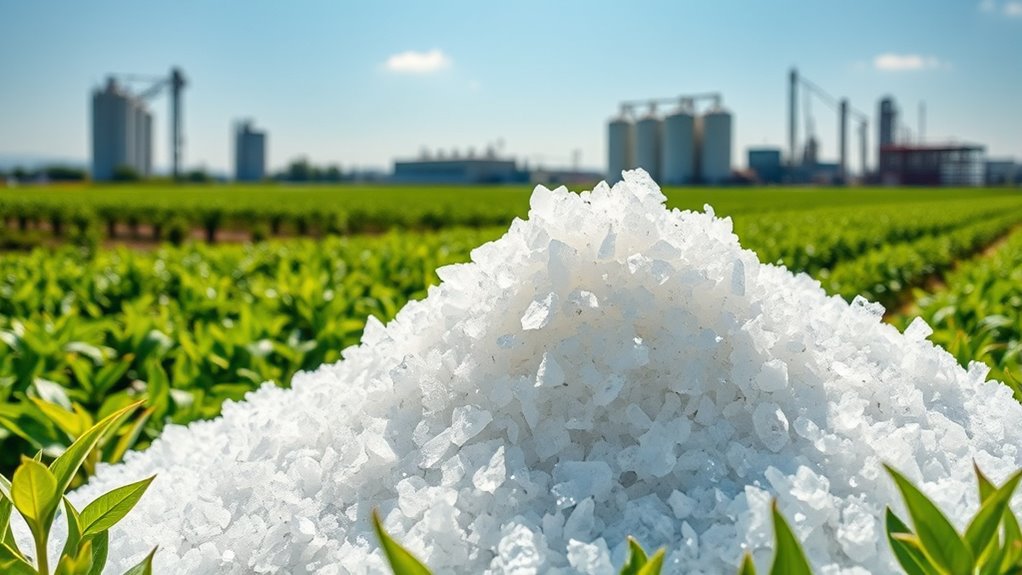
Have you ever wondered what makes potassium nitrate a key ingredient in fertilizers, fireworks, and food preservation? It’s because of its unique chemical properties that make it incredibly versatile across different industries. As a naturally occurring salt, potassium nitrate, also known as saltpeter, is composed of potassium, nitrogen, and oxygen. These elements are essential for various processes, especially in agriculture, where they support healthy plant growth. When you use potassium nitrate as a fertilizer, you’re providing plants with both potassium and nitrogen, two indispensable nutrients that promote strong roots, lush foliage, and high yields. Its solubility in water allows quick absorption by plant roots, making it an effective choice for crops that need rapid nutrient intake.
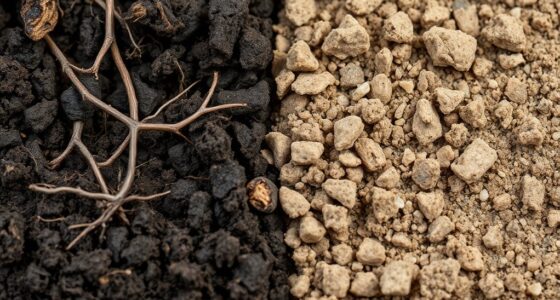
In agriculture, potassium nitrate plays a pivotal role in improving soil fertility and boosting crop production. Farmers rely on it to correct deficiencies of potassium and nitrogen, ensuring plants develop resilience against pests and diseases. Its balanced nutrient profile makes it especially suitable for high-value crops like fruits, vegetables, and tobacco. Because it dissolves easily, you can apply it through various methods, including fertigation—a process where nutrients are delivered directly through irrigation systems—ensuring the nutrients reach roots efficiently. This ease of application and rapid assimilation helps optimize growth and minimizes waste, which is especially important for sustainable farming practices. Additionally, its chemical composition contributes to its effectiveness as a fertilizer, making it a preferred choice for many growers.
Beyond agriculture, potassium nitrate’s importance extends to industrial uses, especially in manufacturing fireworks. When you ignite fireworks containing potassium nitrate, it acts as an oxidizer, providing the oxygen necessary for combustion. This reaction produces the vibrant colors and explosive effects you see in displays. Its ability to generate oxygen during combustion makes it a key component in pyrotechnics, enabling controlled, powerful explosions that produce spectacular visual effects. Additionally, potassium nitrate is used in food preservation, especially in curing meats. Its antimicrobial properties inhibit the growth of bacteria like Clostridium botulinum, which causes botulism. This preservation method helps maintain the food’s safety and extends shelf life, especially before refrigeration was common.
In industry, potassium nitrate also finds use in the production of glass and ceramics, where it acts as a flux to lower melting points and improve product quality. Its chemical stability and solubility make it a reliable additive in various manufacturing processes. Interestingly, the stable nature of potassium nitrate, combined with its chemical properties, allows it to be safely stored and handled in many industrial settings. Overall, potassium nitrate’s versatility stems from its ability to serve as a nutrient, an oxidizer, and a preservative. Whether you’re a farmer optimizing crop yields, a pyrotechnician creating dazzling displays, or a food producer ensuring safety, this compound’s key uses demonstrate its essential role across multiple sectors. Its unique properties make it an indispensable ingredient that continues to impact daily life in many ways.

Potassium Nitrate Fertilizer – Liquid Nitrogen & Potassium Supplement for Faster Growth & More Blooms, 8 oz
Supports Growth & Root Development – Helps promote strong roots, healthy foliage, and consistent plant development.
As an affiliate, we earn on qualifying purchases.
As an affiliate, we earn on qualifying purchases.
Frequently Asked Questions
Is Potassium Nitrate Safe for Organic Farming?
You’re wondering if potassium nitrate is safe for organic farming. While it’s a naturally occurring mineral, its use in organic agriculture depends on certification standards. Some organic certifiers allow it because it’s a natural compound, but others restrict or prohibit its use to uphold organic integrity. You should check your specific certification rules and consider organic-approved alternatives to ensure compliance and sustainability in your farming practices.
How Does Potassium Nitrate Compare to Other Fertilizers?
When comparing potassium nitrate to other fertilizers, you see it acts quickly by providing both potassium and nitrogen, which plants need for growth. Unlike some fertilizers that release nutrients slowly, potassium nitrate offers immediate nutrient availability, making it ideal for boosting plant health rapidly. However, it can be more expensive and may require careful application to prevent runoff. Overall, it’s a powerful option when quick results are needed.
What Are the Environmental Impacts of Potassium Nitrate?
You might wonder about potassium nitrate’s environmental impacts. It can cause water pollution if overused, leading to nutrient runoff that triggers algae blooms and harms aquatic life. Additionally, its production involves energy consumption and chemical processing, which contribute to pollution and greenhouse gas emissions. However, when used responsibly and in moderation, potassium nitrate’s environmental effects are minimized, making it a relatively eco-friendly fertilizer choice compared to other chemical options.
Can Potassium Nitrate Be Used in Food Preservation?
Think of potassium nitrate as a vigilant guardian in your pantry. Yes, it can be used in food preservation, mainly in curing meats and preventing bacterial growth. It helps keep your food safe and extends shelf life. However, you should use it cautiously and follow safety guidelines, as excessive intake can be harmful. Always check regulations and recommended doses to guarantee it’s used properly in food preservation.
What Are the Handling Precautions for Potassium Nitrate?
When handling potassium nitrate, you need to be cautious because it’s a strong oxidizer. Always wear protective gear like gloves and goggles, keep it away from heat and open flames, and store it in a cool, dry place. Avoid inhaling dust or fumes, and wash your hands after handling. Proper storage and safety measures prevent accidents, ensuring safe use in all applications.

HUMCO 263794001 Potassium Nitrate FCC 4 oz, Shape
Flavors for medication
As an affiliate, we earn on qualifying purchases.
As an affiliate, we earn on qualifying purchases.
Conclusion
You now know how essential potassium nitrate is for agriculture and industry, boosting crop yields and serving as a key component in explosives. Did you know that the global demand for potassium nitrate has grown by over 50% in the last decade? This shows just how indispensable and versatile this compound truly is. As you see its impact across various sectors, it’s clear that potassium nitrate will continue to play a crucial role in shaping our future.
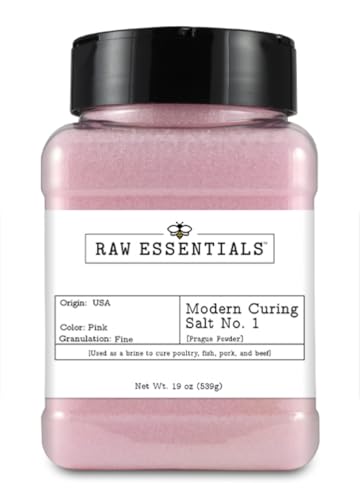
Raw Essentials Pink Modern Curing Salt No. 1, 19 Ounce Bottle
Precision Curing: Formulated with 6.25% sodium nitrite to help achieve consistent results when curing meats. Suitable for bacon,…
As an affiliate, we earn on qualifying purchases.
As an affiliate, we earn on qualifying purchases.
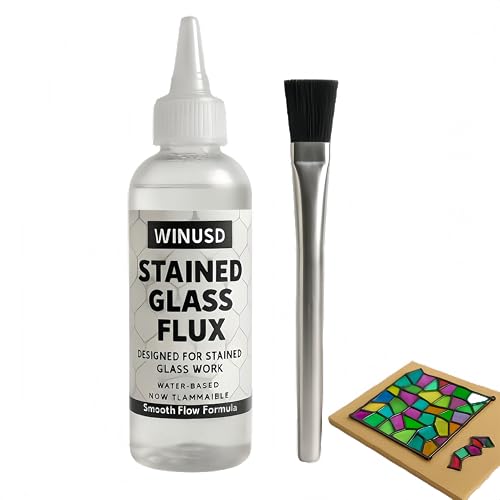
4oz Solder Flux for Stained Glass Soldering, Liquid Zinc Flux for Stained Glass Solder Work Glass Repair and More, Flux for Soldering Tools, Stained Glass Tools Supplies Kits(Water-Based Formula)
【What Will You Receive】Coming with a 4oz/100ml bottle, this stained glass flux is portable and easy to store….
As an affiliate, we earn on qualifying purchases.
As an affiliate, we earn on qualifying purchases.